







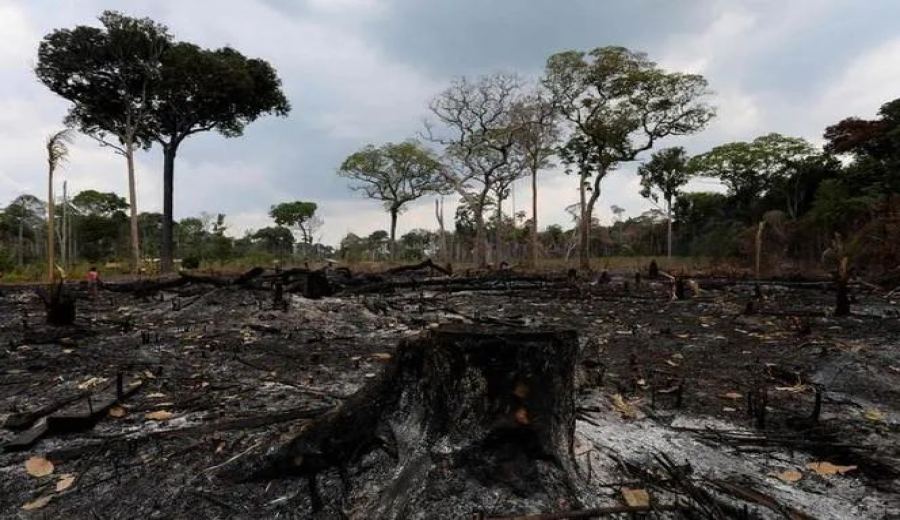
Introduction:Recently, Brazil’s coffee-growing regions have been hit by an unprecedented double disaster of drought and wildfires, not only destroying vast coffee plantations but also forcing the delay of the 2025 harvest until 2027. Coupled with port congestion and extensive damage to coffee containers, the global coffee supply chain is facing severe challenges. This article details the profound impact of the disaster on production areas, exports, and market prices, helping you grasp future trends in the coffee market.
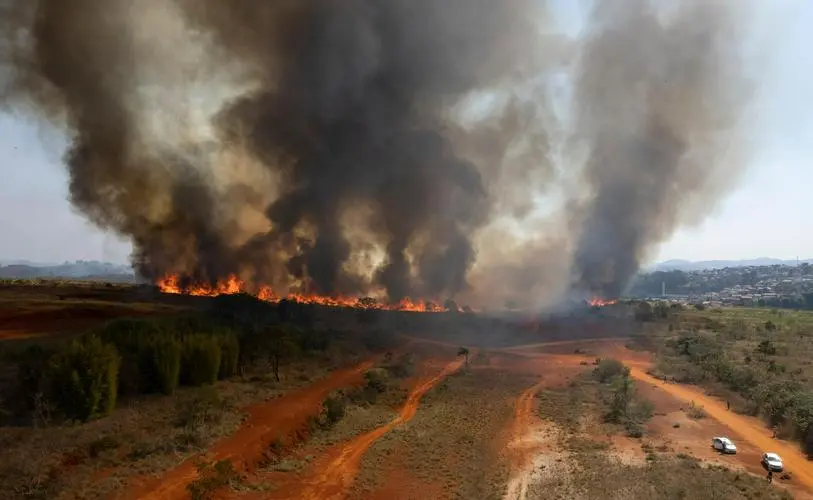
The Brazilian coffee industry is experiencing one of the most difficult periods in decades, with drought and wildfires successively devastating major producing regions. These have not only affected the growth of the current season’s crops but also mean that coffee originally expected to be harvested in 2025 may not enter the market until 2027. It is understood that large-scale wildfires have been raging across multiple states since the end of August, with numerous coffee plantations falling victim to the flames. Farmers are forced to replant coffee trees, leading to a significant reduction in coffee supply over the next two years.
These wildfires have been particularly concentrated in major coffee-producing regions such as São Paulo, where many plantations are located near national reserves or sugarcane fields, allowing the fires to spread rapidly and exacerbating the situation. Although the direct impact on the current season’s harvest is not yet clear, the damage to the upcoming 2025 harvest has already been significant and cannot be ignored, with the potential supply gap likely to widen further in the future.
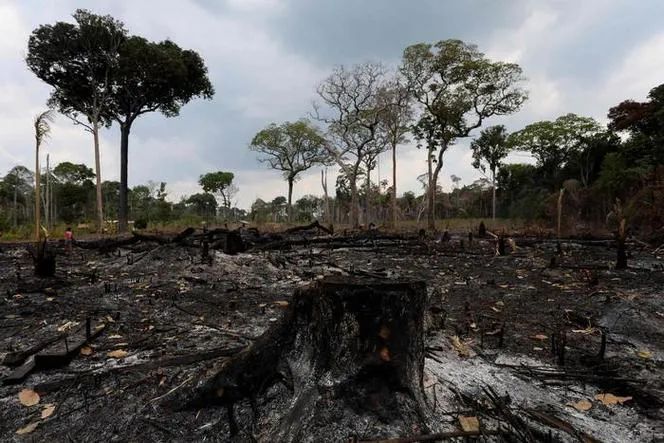
Brazil’s National Supply Company (Conab) is expected to release the first statistics on the damage to coffee-growing areas caused by the wildfires on the 19th of this month. However, the fires are still not fully under control, making it difficult to accurately assess the exact extent of the affected areas. Taking the city of Franca in São Paulo State as an example, approximately 100 hectares of coffee plantations around the area have already been tragically burned, a situation that is deeply concerning.
Officials from the Pro-Coffee Foundation further pointed out that due to the long time required for soil recovery after wildfires, even if replanting begins immediately, it will be at least early 2025 before new planting can occur. Furthermore, newly planted coffee trees typically take two to three years to reach harvest maturity, meaning it may not be until 2027 that the affected regions can gradually return to normal supply levels.
In addition to the direct destruction caused by the fires, the massive amounts of smoke generated during the burning process have also had widespread impacts across Brazil. Since the end of August, smoke and dust have shrouded approximately 5 million square kilometers of land, equivalent to 60% of Brazil’s total area, affecting at least 10 states. The suspended particles and harmful substances in the air not only endanger residents’ health but also severely disrupt aviation and road traffic, further exacerbating the greenhouse effect and posing potential threats to the growing environment of coffee plants.
At the same time, Brazil is experiencing its worst drought crisis on record. Since last year, the Amazon rainforest region has faced drought due to insufficient rainfall during the rainy season, and the situation deteriorated further in June this year, with warnings even issued that river water levels could drop to historic lows. As Brazil’s most important water system, the continuously falling water level of the Amazon River has led to groundwater shortages in multiple coffee-producing regions, further worsening the growing conditions for coffee trees.
The drought has also triggered a chain reaction for Brazil’s agricultural product exports. Due to blocked waterway transport in the north, large quantities of coffee and other agricultural products have been forced to reroute through southern ports for export, resulting in severe congestion at southern ports, with delay rates generally reaching 60% to 80%. Under these circumstances, a large number of coffee containers have been stranded at ports, and with persistently high temperatures, as of July, approximately 1.2 million bags of coffee have been damaged, with estimated losses amounting to $300 million.
Currently, major coffee-producing regions including São Paulo and Minas Gerais have successively issued red alerts for drought conditions, signaling that the 2025 coffee yield will face serious challenges. Coupled with the soil recovery period after the wildfires, ongoing smoke pollution, and port transportation bottlenecks, the combined impact of these factors means that not only will coffee supply be significantly affected, but international coffee market prices are also expected to continue rising.
For global coffee consumers and traders, this wave of disaster warnings from Brazil serves as a reminder that we may face risks of coffee supply shortages and price fluctuations in the coming years. Keeping abreast of these key pieces of information will help in planning procurement and inventory strategies in advance to adapt to the upcoming market changes.
The above content is compiled by CoffeeHunters, a coffee news website.


