







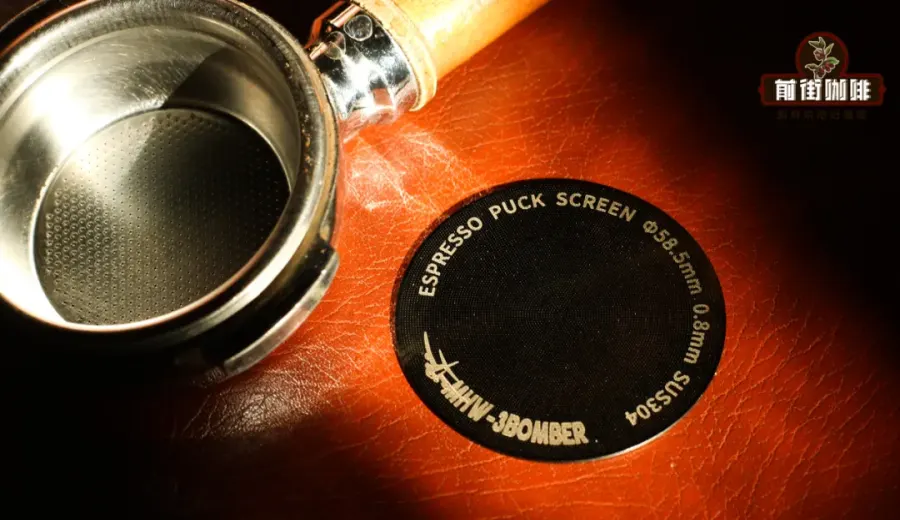
Introduction:The secondary shower screen has recently become a hot topic among coffee enthusiasts, with many hoping it can solve the issue of wet and hard-to-remove coffee puck. This article takes an in-depth look at the actual functionality of this metal accessory, explores its impact on water distribution and extraction uniformity, and evaluates from a practical testing perspective whether the Bomber brand model is worth purchasing — helping you decide if it’s a good fit for your coffee toolkit.
In the coffee enthusiast community, a small metal accessory has sparked quite a bit of discussion recently — the secondary shower screen, which some users view as a tool to enhance brewing convenience. How exactly does this seemingly simple thin piece function during the brewing process? Can it effectively improve the problem of a wet and unformed puck that is difficult to remove intact after extraction? This article will thoroughly dissect the functional principles of the secondary shower screen and, through real-world usage experience — especially focusing on the Bomber brand model — offer practical advice and evaluations.
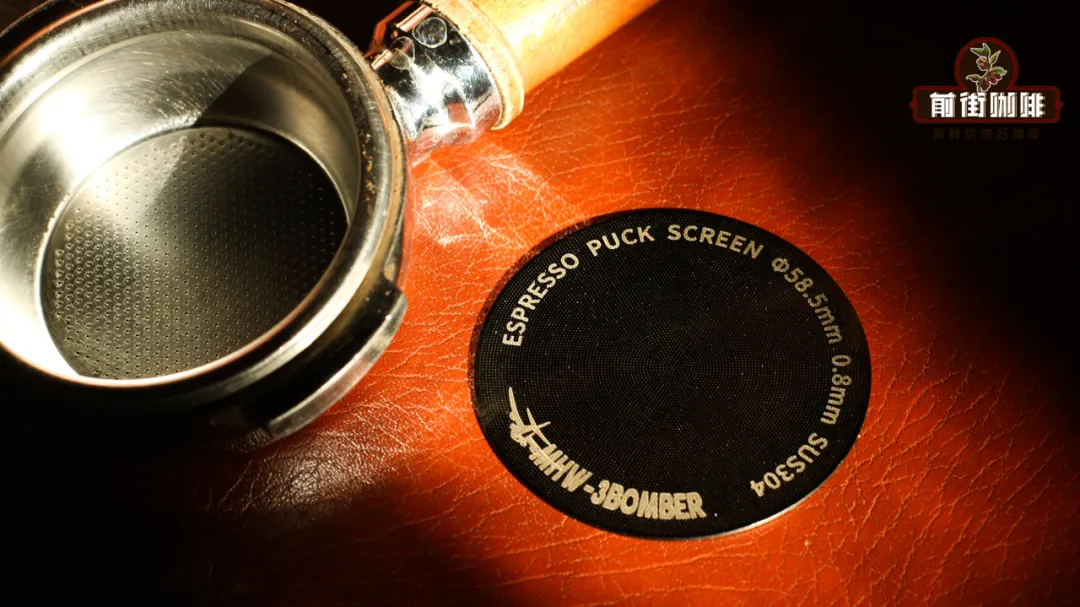
From a design perspective, the secondary shower screen is generally installed between the coffee puck and the machine’s brew head, serving two key roles: one is to help water penetrate the coffee bed more evenly, and the other is to reduce pressure points that directly impact the puck. Many users have reported that after installing this metal screen, surface water accumulation on the puck has decreased, and it has become easier to remove the puck in one piece after brewing, reducing issues such as crumbling or sticking.
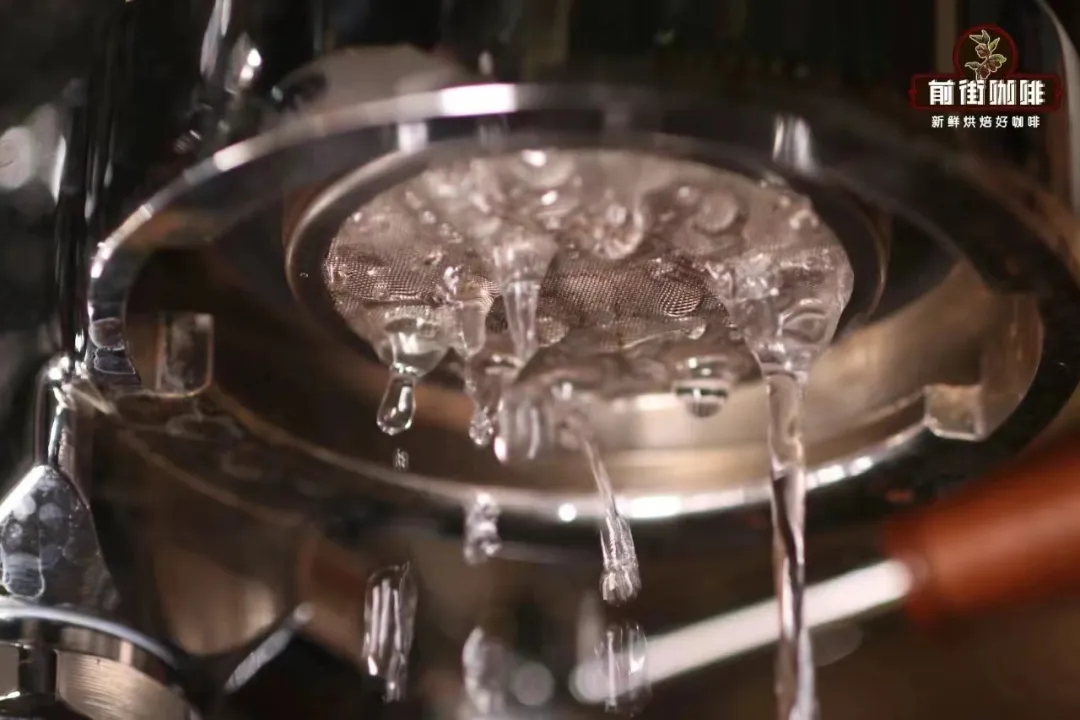
However, problems related to a wet and unshaped puck are often closely tied to several basic parameters. It’s recommended to first check whether the grind size is appropriate, whether the amount of coffee is sufficient, and whether the pressure release step after brewing is smooth. The secondary shower screen can provide a certain degree of improvement, but if these foundational conditions are not properly adjusted, relying solely on this metal piece will be difficult to achieve optimal extraction — and may even mask issues that should otherwise be addressed.
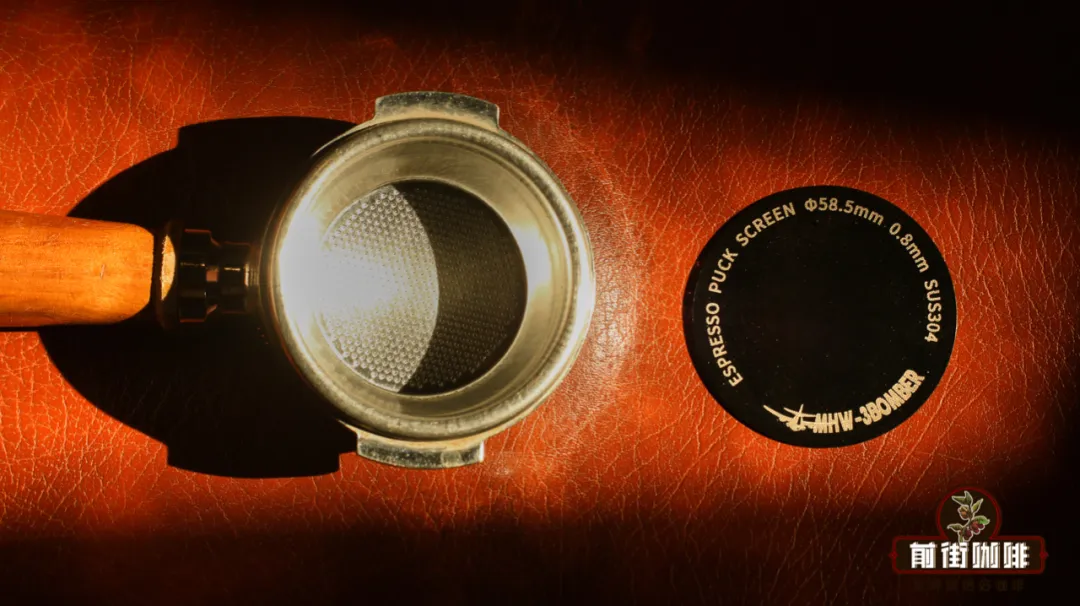
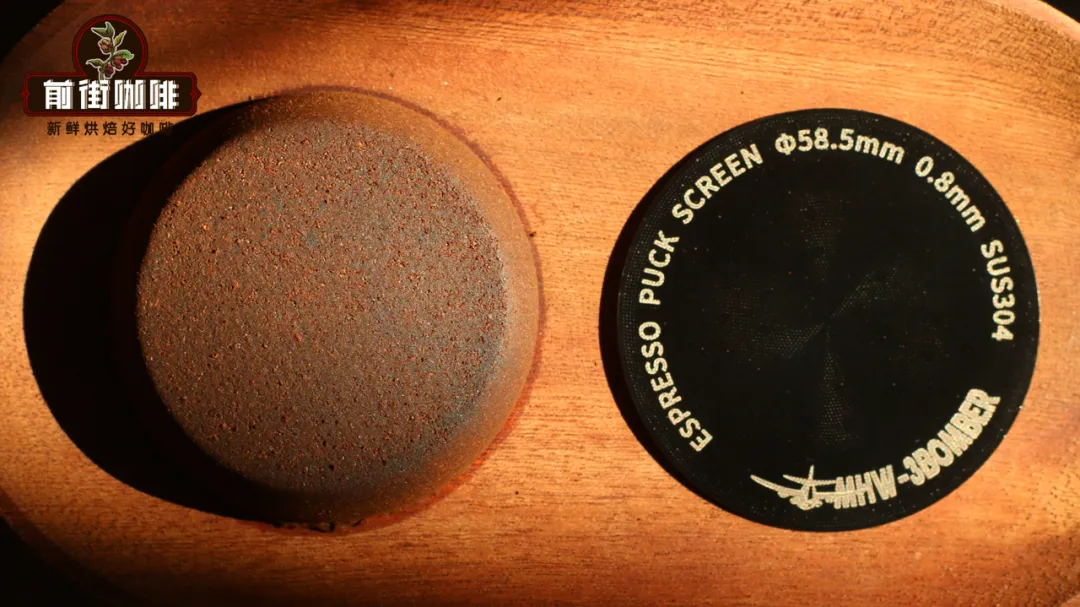
Taking the secondary shower screen released by the Bomber brand as an example, based on practical observations, its craftsmanship is quite refined, and its overall thickness and hole size design demonstrate good compatibility with most common coffee pucks on the market. After installation and use, users can notice improved water stability, and the dryness of the puck also shows noticeable improvement, which helps enhance overall extraction consistency. However, because the space between the brew head and puck varies slightly across different coffee machines, it’s advised to confirm whether your machine's dimensions are suitable before purchasing, to avoid situations where it doesn’t fit or affects the seal.
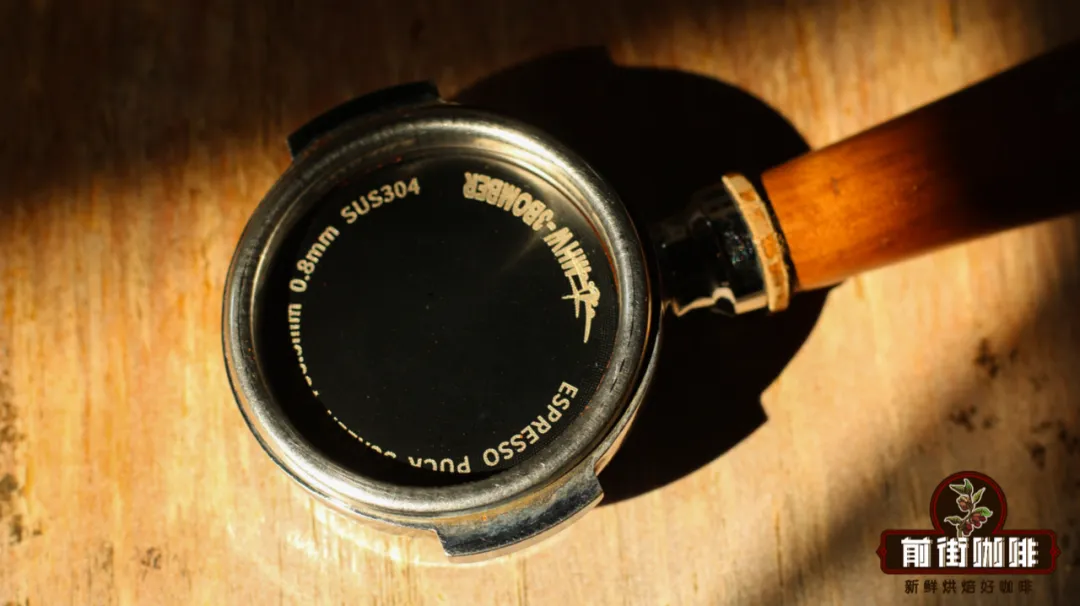
From a practical operation standpoint, the secondary shower screen is particularly suitable for users who are already familiar with their own grind settings and coffee dosage, and have a stable brewing routine. If you’ve already fine-tuned the basic parameters but still frequently encounter issues such as a wet puck that’s hard to knock out, this small tool might serve as an effective supplement in optimizing your brewing process. However, it is not a cure-all, nor should it replace the understanding and adjustment of fundamental brewing conditions.
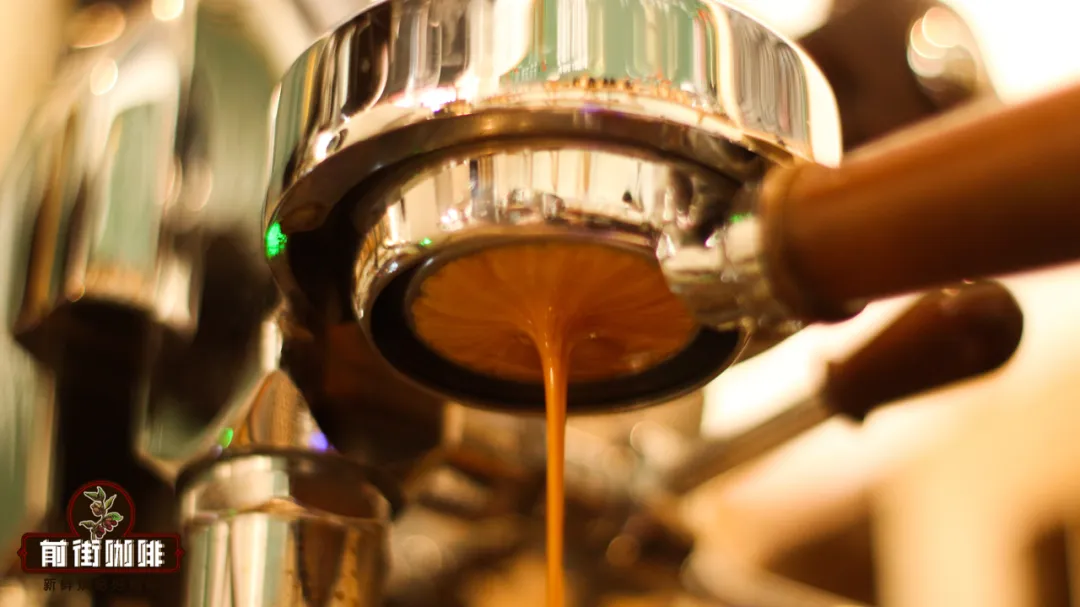
Additionally, if you plan to try using a secondary shower screen, it’s recommended to carefully observe any changes in brew flow rate after initial installation, and compare the state of the puck before and after installation. Some users find that the flow rate may slightly increase or decrease after adding the screen, which could be due to changes in the water path. Based on this, you can fine-tune grind size or tamping pressure to achieve the best extraction results.
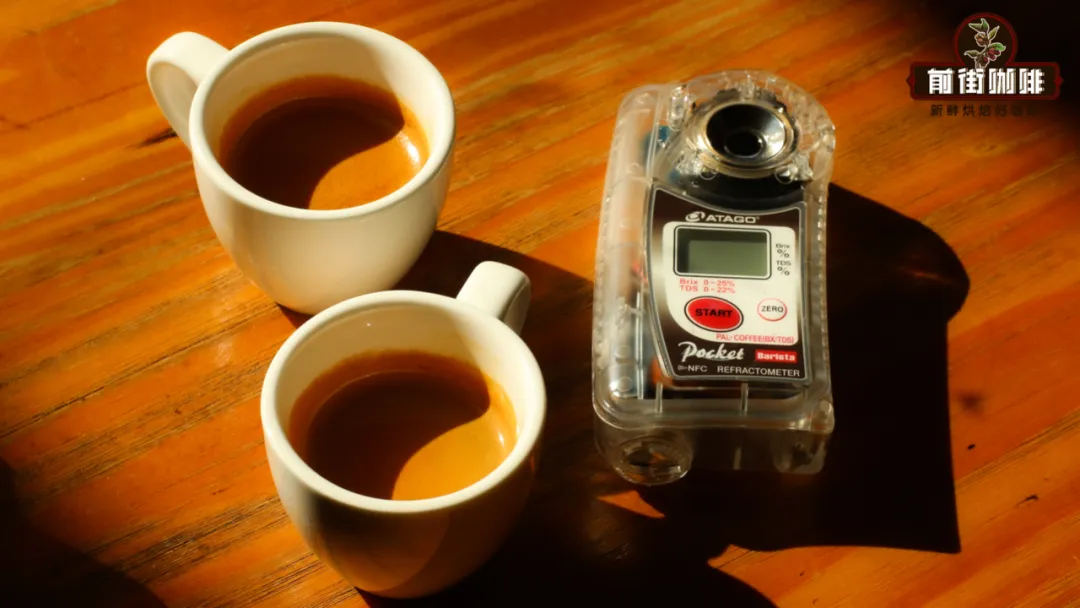
In summary, the secondary shower screen is a noteworthy and worthwhile brewing accessory to try, especially when dealing with issues of a wet puck, where it can offer some improvement. However, its value is better viewed as part of an overall extraction optimization strategy, rather than as a shortcut that replaces basic parameter adjustments. For coffee enthusiasts aiming for stable and consistent extraction quality, understanding both its functions and limitations is key to making the most of it in daily brewing routines.
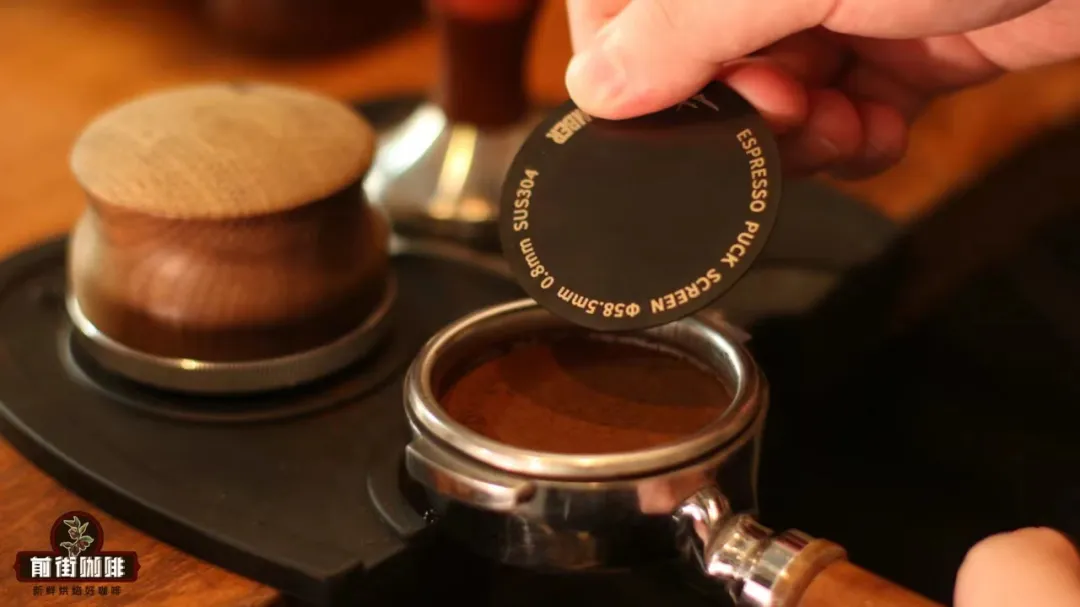
If you’re considering getting a similar tool, start by evaluating your actual needs and determining whether you face issues with a wet puck during your brewing process, then decide whether such an accessory is necessary. Whether or not you choose to use a secondary shower screen, mastering basic extraction parameters and the ability to assess puck condition is the fundamental way to improve coffee quality.
The above content is compiled by CoffeeHunters, a coffee news website.


