







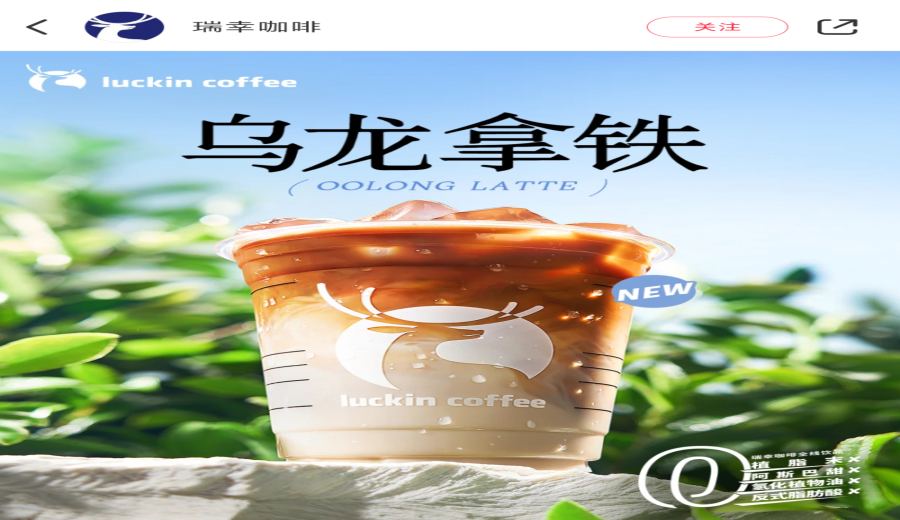
Introduction:Luckin Coffee recently collaborated with renowned illustrator Jimmy Liao to launch a new co-branded product titled "A Poem for the Moon," along with an oat milk alternative option for a new oolong latte that uses Wuyi Da Hong Pao as its tea base. This new product quickly sparked heated discussions among consumers—not only for its unique flavor, but also because some drinkers reported significant "laxative" effects, propelling it to the top of social media trends. This article delves into the ingredient composition of the oolong latte, possible reasons for gastrointestinal reactions, and offers practical drinking suggestions and precautions.
In its regular weekly product launch this Monday, Luckin Coffee teamed up with Taiwanese illustrator Jimmy Liao to debut a new co-branded theme, "A Poem for the Moon." In addition to exquisitely designed limited-edition merchandise, including special paper bags and two styles of cup sleeves, the collaboration also introduced a new-flavored coffee beverage—the oolong latte. This new product falls under Luckin’s "Tea-Coffee Series," continuing the series’ concept of blending traditional tea aromas with coffee. It specifically uses Da Hong Pao oolong tea from the Wuyi Mountain region in Fujian, China, as its tea base, showcasing a rich and layered tea flavor profile.
To accommodate different consumers' drinking habits and gastrointestinal tolerance, Luckin has specially included an "oat milk substitute" option for the oolong latte, allowing customers who are not suited to dairy or who are lactose intolerant to still enjoy this innovative tea-coffee blend. According to official information, the drink can still be customized with standard whipped cream or thick milk as toppings, but it is the inclusion of these dairy elements that has become one of the focal points of subsequent online discussions.
As with previous Luckin product launches, the oolong latte has sparked widespread discussion since its first day on the market, with consumers sharing their first-hand experiences on various social platforms. Many netizens first noted its flavor profile, describing it as having a strong black tea character, with some even saying its flavor profile is quite similar to commercial Assam milk tea, forming the first impression on the taste buds.
However, more talked about than the flavor itself is the "unique gastrointestinal reaction" brought about by this oolong latte. On social media, numerous users shared that they experienced a noticeable urge to defecate after drinking it, with some even making multiple trips to the bathroom in a short period of time. Some netizens jokingly referred to it as the "new king of toilet-bombing drinks" or "fart water." One person even detailed that after drinking a single hot oolong latte in the morning, they felt intestinal movement within about ten minutes, followed by frequent trips to the toilet, forcing many to take seriously this drink’s "immediate effect" on the digestive system.
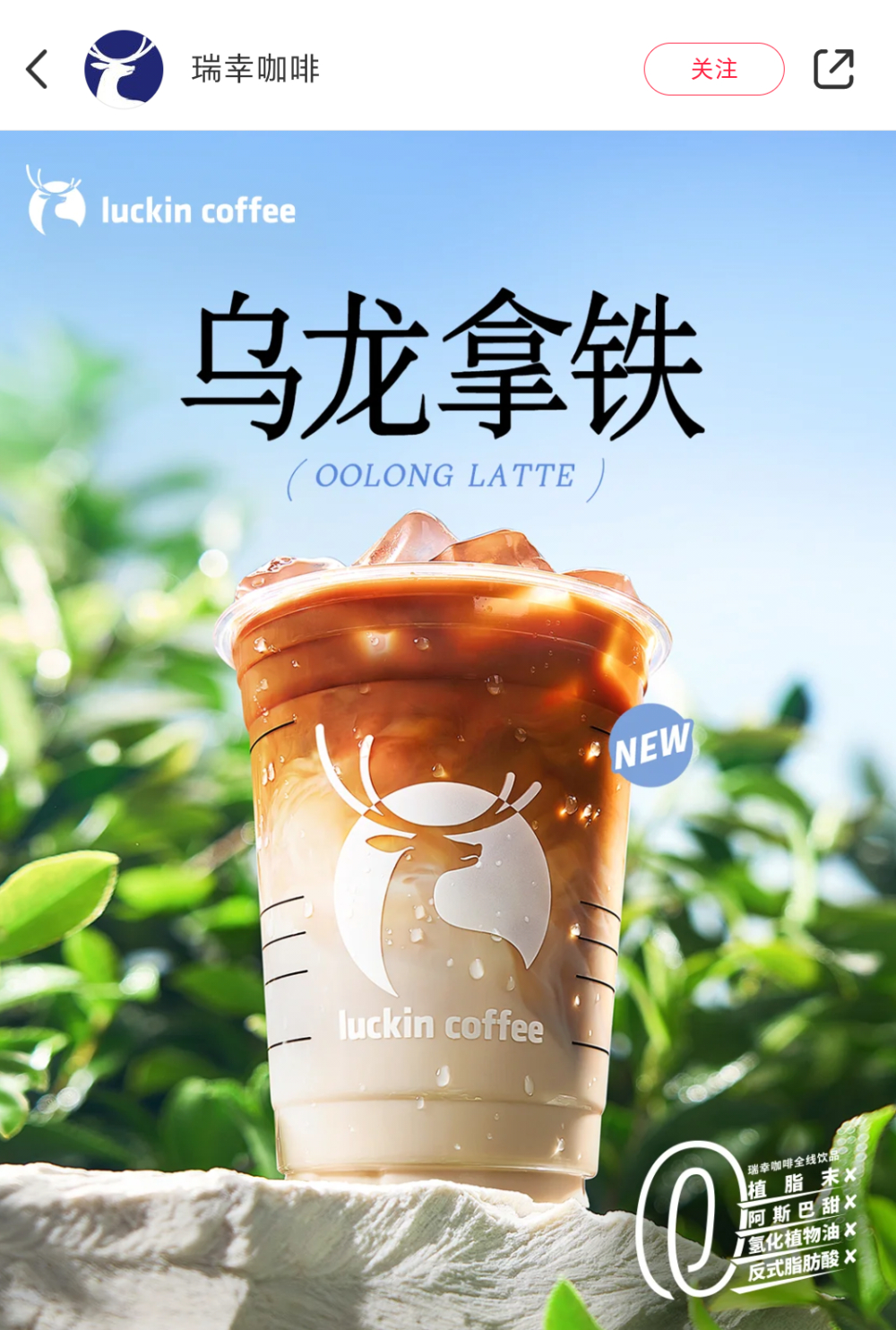
Many commenters responded that they had similar experiences, such as: "I took a sip at 9:30 a.m. and was in the bathroom by 10," "I drank this this morning and have already gone to the toilet three times," "So that’s why I ran twice this morning!" and even accounts of going to the bathroom up to six times in one day, causing the oolong latte to unintentionally become known as a "blessing for constipation sufferers" or a "fat-flushing miracle."
Regarding this phenomenon, there are many speculations online, with many attributing it to the thick milk used in the drink. Thick milk typically contains a higher proportion of milk fat and lactose, which may cause mild diarrhea or accelerate gastrointestinal motility in individuals with mild to moderate lactose intolerance, leading to a noticeable increase in bathroom trips. In addition, components in tea such as caffeine and polyphenols can also help promote intestinal peristalsis, further amplifying this "cleansing" effect.
Although not every consumer experiences such reactions, the "laxative" talk surrounding this oolong latte has successfully drawn widespread attention, even prompting some netizens who were originally uninterested in the product to buy it out of curiosity, hoping to personally experience its "rapid evacuation" effects. However, experts suggest that those who are lactose intolerant or have sensitive stomachs should consume coffee drinks containing thick milk or whole-fat dairy products in moderation, or opt for lactose-free or plant-based milk alternatives to reduce the risk of discomfort.
Overall, Luckin’s oolong latte not only showcases creativity in taste and design, but has also become a hot topic on social media due to its unexpected physiological effects. Whether out of curiosity, practical needs, or simply the desire to try something new, this tea-coffee innovation that combines the aroma of Da Hong Pao tea with coffee flavors is worth paying attention to. It also serves as a reminder for consumers to be mindful of their gastrointestinal responses while enjoying the delicious drink.
The above content is compiled by CoffeeHunters, a coffee news website.


