







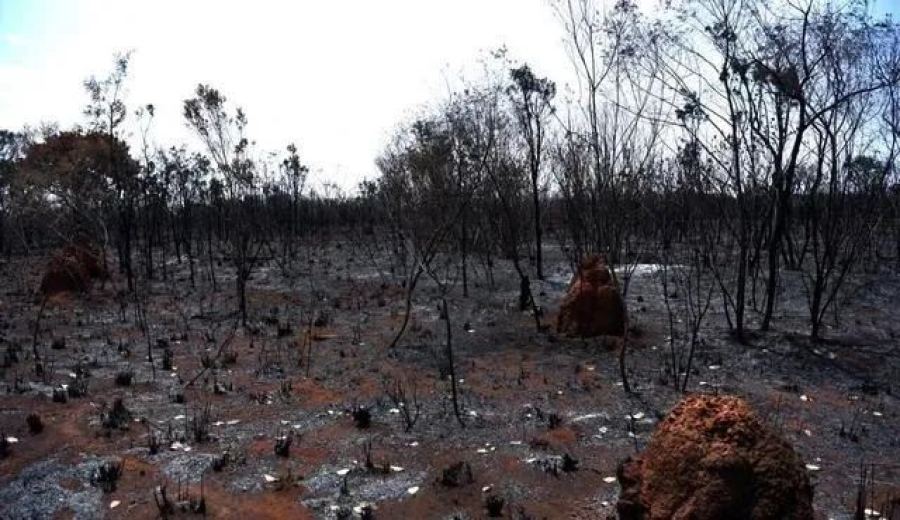
Introduction:Brazil is grappling with the most severe drought in half a century, compounded by frequent wildfires, with agricultural sector losses already exceeding 14.7 billion Brazilian reais. The new coffee crop faces a serious challenge, with official estimates predicting a production drop of 4 million bags, a decline of 6.8%. This article analyzes how the disaster is impacting the world’s largest coffee-producing region, the actual extent of damage and future production trends, as well as the potential impact on global coffee prices.
Brazil has recently been battered by extreme weather, not only facing a historic drought but also suffering from large-scale wildfires, resulting in massive losses to the country's agriculture and livestock industries. According to preliminary estimates by the Brazilian National Confederation of Agriculture and Livestock, between June and August this year, the combined agricultural losses caused by wildfires and drought reached as high as 14.7 billion reais, a figure that continues to rise. Among them, coffee-growing regions have not been spared, especially during the critical growth phase of the new crop, where drought and high temperatures have posed significant challenges to the health of coffee trees and future yields.
In terms of regional distribution, São Paulo state is one of the hardest-hit areas, with estimated agricultural losses of around 2.8 billion reais, followed by Mato Grosso state with 2.3 billion reais, Pará state with 2 billion reais, and Mato Grosso do Sul state with 1.4 billion reais. These regions are major hubs for agriculture, livestock, and cash crops, many of which include extensive coffee plantations, making the outlook for this season’s coffee supply highly uncertain.
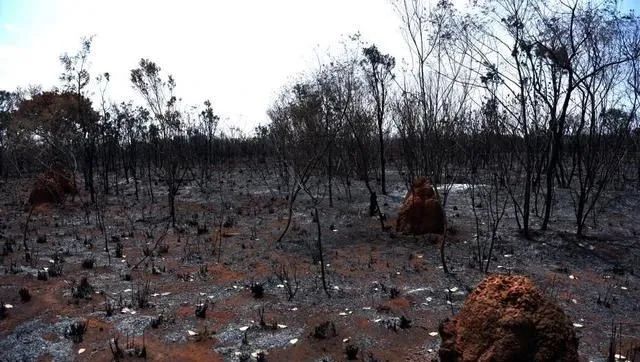
Data from Brazil’s National Center for Natural Disaster Monitoring and Alerts shows that as of mid-September this year, the country has recorded more than 180,000 fire incidents, more than double the number during the same period in 2023, accounting for 50.6% of total fires in South America. The fires have not only destroyed vast areas of forest and grassland but also directly affected private agricultural land, with approximately 2.8 million hectares impacted, including pastures, sugarcane fields, and coffee farms. Notably, fires continue to rage in many areas, with new blazes reported in towns across São Paulo state, and even some permanent protected areas have not been spared. The actual extent of the damage remains to be further assessed.
Parallel to the wildfires, Brazil is also experiencing an extreme drought crisis. Experts point out that the causes of this drought are complex, involving both natural factors such as El Niño and human activities like deforestation and outdoor burning. So far, over a thousand cities across the country have gone without significant rainfall for three consecutive months or more, accounting for about half of all Brazilian cities. Among them, 1,188 cities have experienced 90 consecutive days without effective rainfall, about 600 cities face drought periods exceeding 130 days, and some regions have even set the astonishing record of 173 consecutive rainless days.
The persistent worsening of the drought has led to a sharp drop in water levels of many major rivers in Brazil. For example, some tributaries of the Amazon River have seen their water levels fall to their lowest of the year, decreasing by about 18 centimeters per day. This has not only exposed large areas of riverbeds and disrupted some inland waterways, but also significantly reduced the size of surrounding lakes. Weather forecasts indicate that these conditions are likely to worsen further in the coming period, not only exacerbating water shortages but also having a profound impact on local ecosystems.
Meanwhile, southeastern and central-western regions of Brazil continue to experience high temperatures. Meteorological agency Climatempo warns that in the coming weeks, many cities may face dual alerts for high temperatures and low humidity, with some areas seeing temperatures up to 3°C to 5°C above the seasonal average, and local highs potentially reaching 39°C. Under such extreme climatic conditions, civil defense authorities have issued high-risk fire warnings for the entire state of São Paulo, and most experts expect the high-risk status to persist until the end of the year, with little relief in the short term.
For Brazil, the world’s largest coffee-producing region, the current disaster is undoubtedly a heavy blow. In past fires, many coffee farms have been affected, with some coffee trees even being directly burned, causing substantial damage to production infrastructure. Even more worrying is that the ongoing drought and water shortages have occurred during the critical flowering stage of the new coffee crop. Some coffee trees are already showing signs of leaf withering and yellowing, which will directly affect flowering and fruiting, posing a serious threat to the yield of the 2025 new crop.
As a result, Brazil’s official agricultural statistics agency Conab has officially revised downward its coffee production forecast for the 2024/25 season, estimating a reduction of 4 million bags (calculated at 60 kilograms per bag) compared to the previous season, representing an overall decline of 6.8%. If climatic conditions do not improve by the end of the year, production may decline further, and global coffee market prices may also remain at high levels as a result, significantly impacting both consumers and traders.
The above content is compiled by CoffeeHunters, a coffee news website.


