







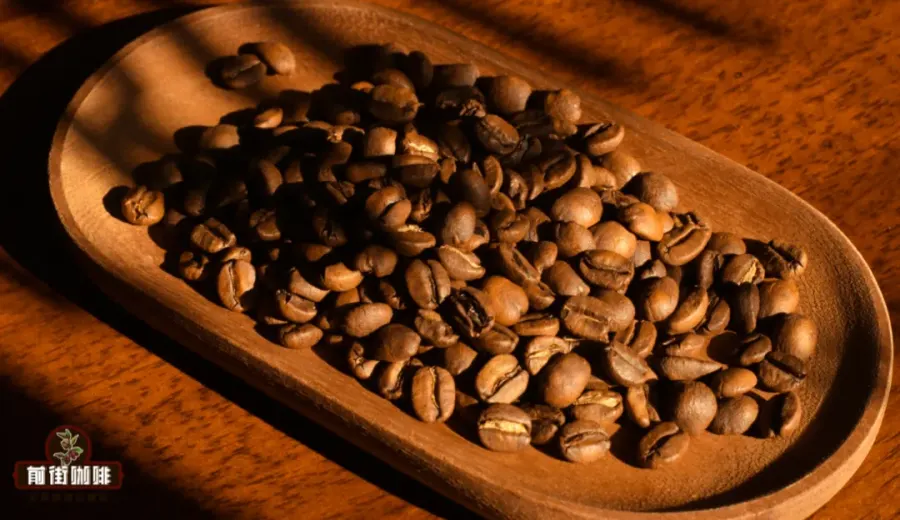
Introduction:Have you ever heard baristas talk about hard beans and soft beans but weren’t quite sure what they really mean? In fact, these terms don’t refer to texture, but are closely related to the density and altitude of the coffee beans. This article will take an in-depth look at how regions like Central America classify coffee grades based on altitude, explore the flavor advantages and brewing challenges of high-altitude hard beans, and explain how factors like climate and environment affect bean quality — helping you better understand bean selection and pour over parameter adjustments.
You often hear baristas mention “hard beans” and “soft beans,” but you may not know that these two terms actually have nothing to do with how the beans feel to the touch. Instead, they are used to describe the density of the coffee beans. This classification method originates from the altitude-based grading system used in Central American coffee — simply put, the higher the beans are grown, the slower the coffee cherries ripen, and the more flavor compounds they accumulate, resulting in higher bean density.
Countries such as Panama, Costa Rica, and Guatemala generally adopt this altitude-based grading logic, using growing elevation as a key indicator of bean quality. It’s worth noting that Ethiopia, due to its generally high altitudes, mostly produces extremely hard beans, so there is no need to further subdivide by altitude. However, while high-density hard beans usually offer richer flavors, they also present many challenges for coffee enthusiasts when it comes to grinding and brewing.
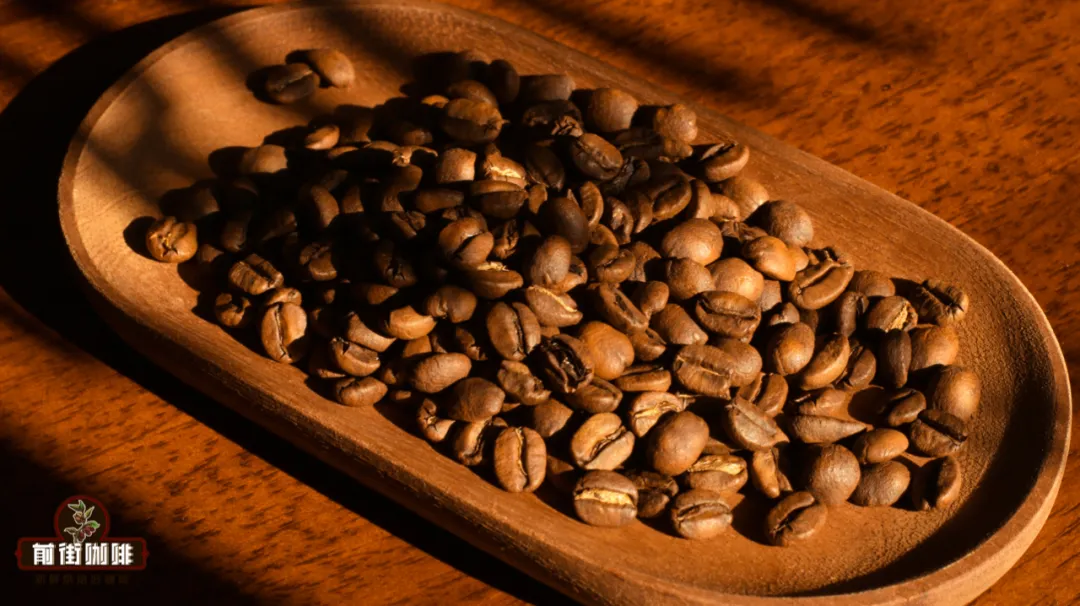
So what exactly are hard beans and soft beans? As mentioned earlier, they are not determined by pinching the beans with your fingers to judge their softness or hardness, but are distinguished based on the internal density of the beans. Originally, this classification method stems from the rules various countries set for grading coffee beans.
Taking Panama, Costa Rica, and Guatemala as examples, the coffee grading standards in these Central American countries are primarily based on planting altitude. Generally speaking, the higher the altitude, the lower the temperature of the growing environment, which causes the coffee cherries to mature more slowly. In such conditions, the beans have more time to absorb nutrients and accumulate more flavor compounds, eventually forming beans with higher density — what we call “hard beans.”
There have been experiences shared where beans grown at 1000 meters can mature and be harvested in about half a year; but if planted in high-altitude areas around 1500 meters, it may take nearly a year to fully ripen. During this extended growth period, the beans not only mature more slowly but also accumulate richer substances, thereby enhancing their performance during final brewing. As a result, these countries mostly do not use bean size as the basis for grading, but instead take altitude as the main criterion for evaluating bean quality.
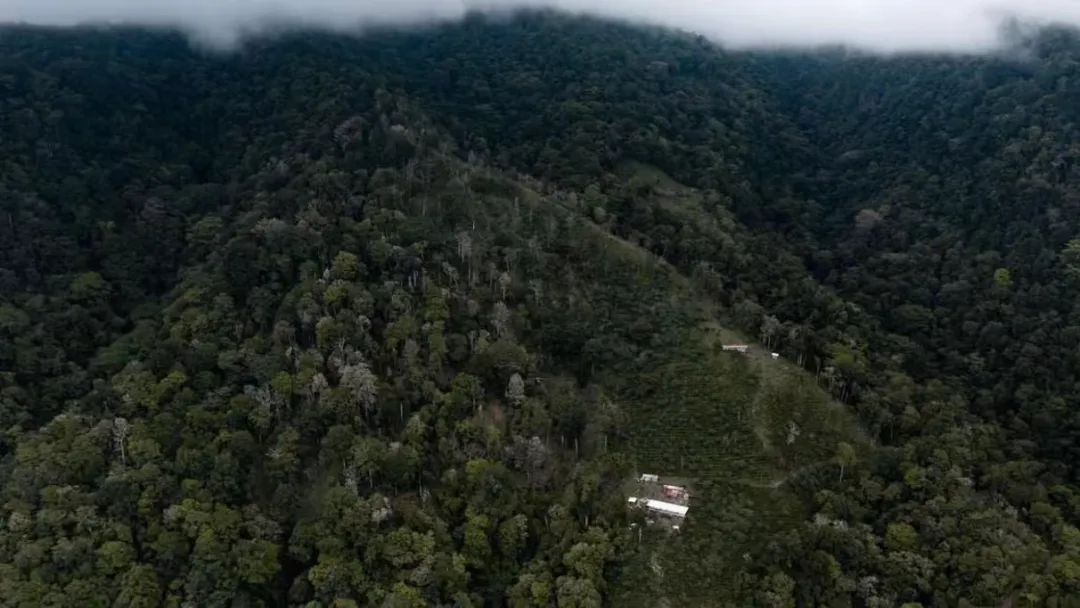
In short, the higher the altitude, the slower the coffee beans mature, the more abundant the accumulated flavor compounds, the higher the bean density, and typically the higher the quality and better the extraction potential. So how do these countries specifically establish their grading standards? Taking Panama’s grading system as an example, it correlates different altitude ranges with specific bean grades. However, it’s important to note that each country has vastly different cultivable regions and average altitudes, so the altitude thresholds corresponding to each grade also vary.
In addition, some countries do not use altitude or bean hardness as grading criteria. Ethiopia is one such case. Because the overall altitude of the country is relatively high, most naturally grown coffee beans from major producing areas already fall under the category of extremely hard beans, so there is no need for further subdivision by altitude.
Putting it all together, we can understand that hard beans generally refer to coffee beans grown at high altitudes with higher density, while soft beans are those grown at lower altitudes with lower density. Of course, besides altitude, other factors such as climatic conditions, soil environments, and farming management also influence the final density and flavor of the coffee beans.
Although high-density coffee beans often deliver richer flavors and better brewing performance, they can also pose challenges for many coffee enthusiasts during the actual grinding and brewing process. For instance, when using a hand-cranked grinder to process high-altitude hard beans, especially those that are lightly roasted, it is often found to be more labor-intensive than grinding low-altitude beans, requiring more effort to achieve evenly ground particles.
The same issue is also common during the brewing stage. Some users have reported experiencing channeling issues when brewing lightly roasted Yirgacheffe — this is directly related to the high density and hardness of the beans. Although handling high-hardness beans requires more skill and patience, as the saying goes, “the greater the challenge, the greater the reward.” With appropriate adjustments and careful brewing, you can often enjoy a richer, more layered coffee flavor experience.
The above content is compiled by CoffeeHunters, a coffee news website.


