







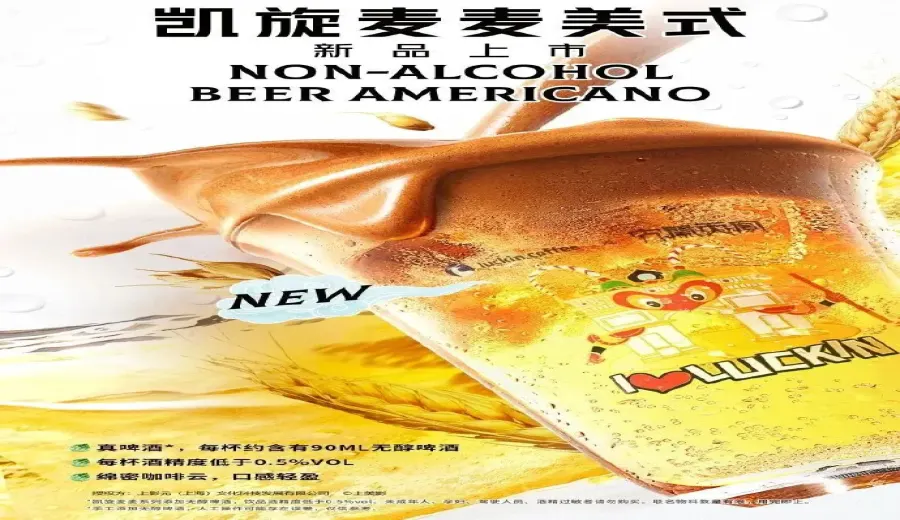
Introduction:Lucky Coffee’s non-alcoholic beer beverage 'Triumphant MaiMai Series,' launched in collaboration with the classic animated film 'Havoc in Heaven,' was soon taken off the market shortly after its release. Multiple stores were required to destroy their remaining raw materials by September 30, leading to images of employees discarding the drinks once again circulating on social media. This article delves into the journey of this limited-edition product — which contains 90ml of non-alcoholic beer (with an alcohol content below 0.5% vol) — from its much-discussed launch to its quiet exit, exploring the practical challenges fast-moving consumer brands face in new product testing and inventory management.
Lucky Coffee once collaborated with the classic animated film 'Havoc in Heaven' to launch a limited-edition non-alcoholic beer beverage called the 'Triumphant MaiMai Series.' The product’s main selling point was that it 'contains 90ml of non-alcoholic beer,' with the alcohol content kept at below 0.5% vol— making it yet another innovative drink that experiments with alcoholic flavor elements, following the Soy Sauce Latte and Hot Wine Americano. However, this product, which once trended on Weibo, ultimately exited the market shortly after its trial run due to weaker-than-expected market feedback and low repurchase rates.
When the series was launched in July this year, it piqued the curiosity of many consumers, especially as the claim of 'adding real beer' garnered some attention during the promotional period. However, actual market performance was relatively muted—not only did the sales of the collaborative drink fall short of expectations, but the accompanying merchandise also received a lukewarm response, resulting in a large backlog of materials that were difficult to clear.
Recently, Lucky Coffee issued an internal notice to all its stores nationwide, requiring them to by September 30 destroy all remaining beer series ingredients on their own. This move led to employees at multiple locations collectively disposing of the discontinued materials after closing, including opening cans and pouring the 'wheat juice' inside into wash basins. The scene once again sparked heated discussions online.
It is understood that many store managers had previously been optimistic about the market potential of the series and stocked up heavily, but actual sales were far below expectations, leading to severe overstocking of raw materials. According to the standard practice of chain brands like Lucky Coffee, once a product is announced to be discontinued, any unsold materials, regardless of quantity, must be scrapped and cannot be retained or repurposed.
On social media platforms, many employees shared the process of handling discontinued ingredients. Some described how, at the command of 'shall we start?' they began opening can after can and dumping their contents, with the liquid gushing into the drain — the scene resembling a 'large-scale scrapping operation.' The comments section also featured various self-deprecating remarks, such as 'my fingertips are going to peel off,' 'tonight the drains of Lucky Coffee smell like alcohol,' and 'not a single rat will walk straight tonight,' reflecting the helplessness and fatigue employees felt while carrying out the task.
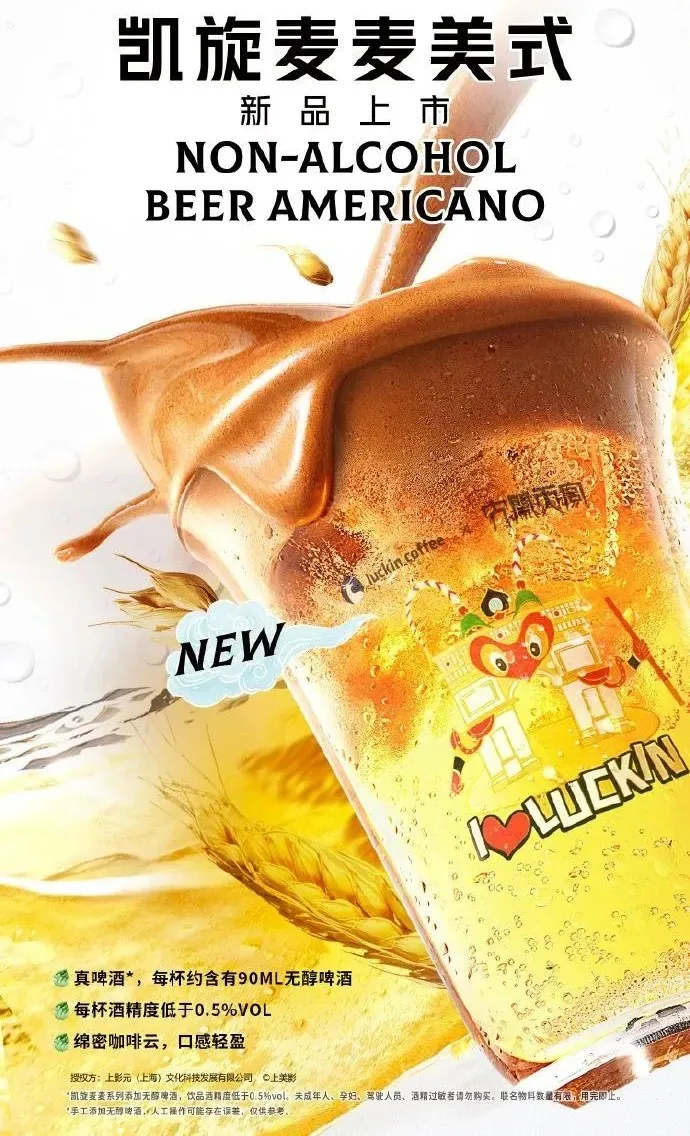
Some store employees privately stated that the reason this non-alcoholic beer drink was doomed to be discontinued was not only due to poor sales performance, but also related to its taste acceptance. Compared to Lucky Coffee’s other popular drinks based on mainstream dairy products, novel products that incorporate beer elements often only attract adventurous customers upon initial launch. Once the hype fades, repurchase willingness quickly declines, leading to inventory build-up and eventual scrapping.
Industry insiders pointed out that for large chain brands like Lucky Coffee, product launches and discontinuations are routine, but how to more accurately assess consumer feedback during the market testing phase, control the order volume of initial raw materials, and design more flexible inventory adjustment mechanisms remain important topics for the brand’s continuous operational optimization. The rapid discontinuation of the non-alcoholic beer series also reflects the delicate balance between new product promotion and inventory management for fast-moving consumer brands.
The above content is compiled by CoffeeHunters, a coffee news website.


