







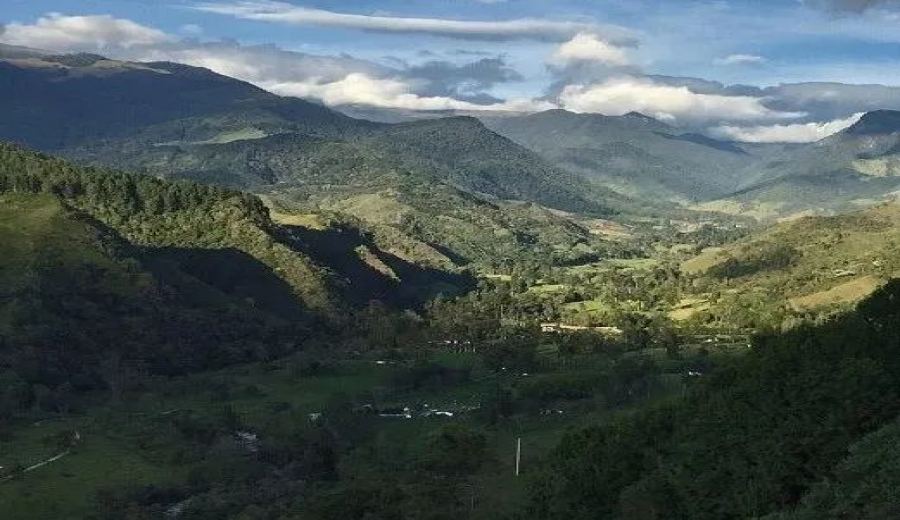
Introduction:Delve into the geographic characteristics and flavor profiles of Colombia’s six major coffee-growing regions, from the microclimates of the Andes to the impact of altitude on taste. This article also highlights how El Zacatin Estate in Antioquia Province manages to produce specialty-grade coffee within a high-yield region. Explore the secrets behind Colombia’s coffee diversity and uncover the key factors that shape a great cup.
South America is not only the world’s largest coffee-producing region, accounting for over half of global output, but also home to the top-ranked Brazil and third-ranked Colombia. However, Colombia’s coffee landscape differs vastly from that of its neighbor Brazil: here, rugged mountains and rich microclimates give rise to delicate smallholder farms rather than large-scale plantations. Many specialty varieties familiar to international coffee enthusiasts—such as Sidra, Rosa Valencia, and Flor de Mayo—are cultivated by these renowned local estates.
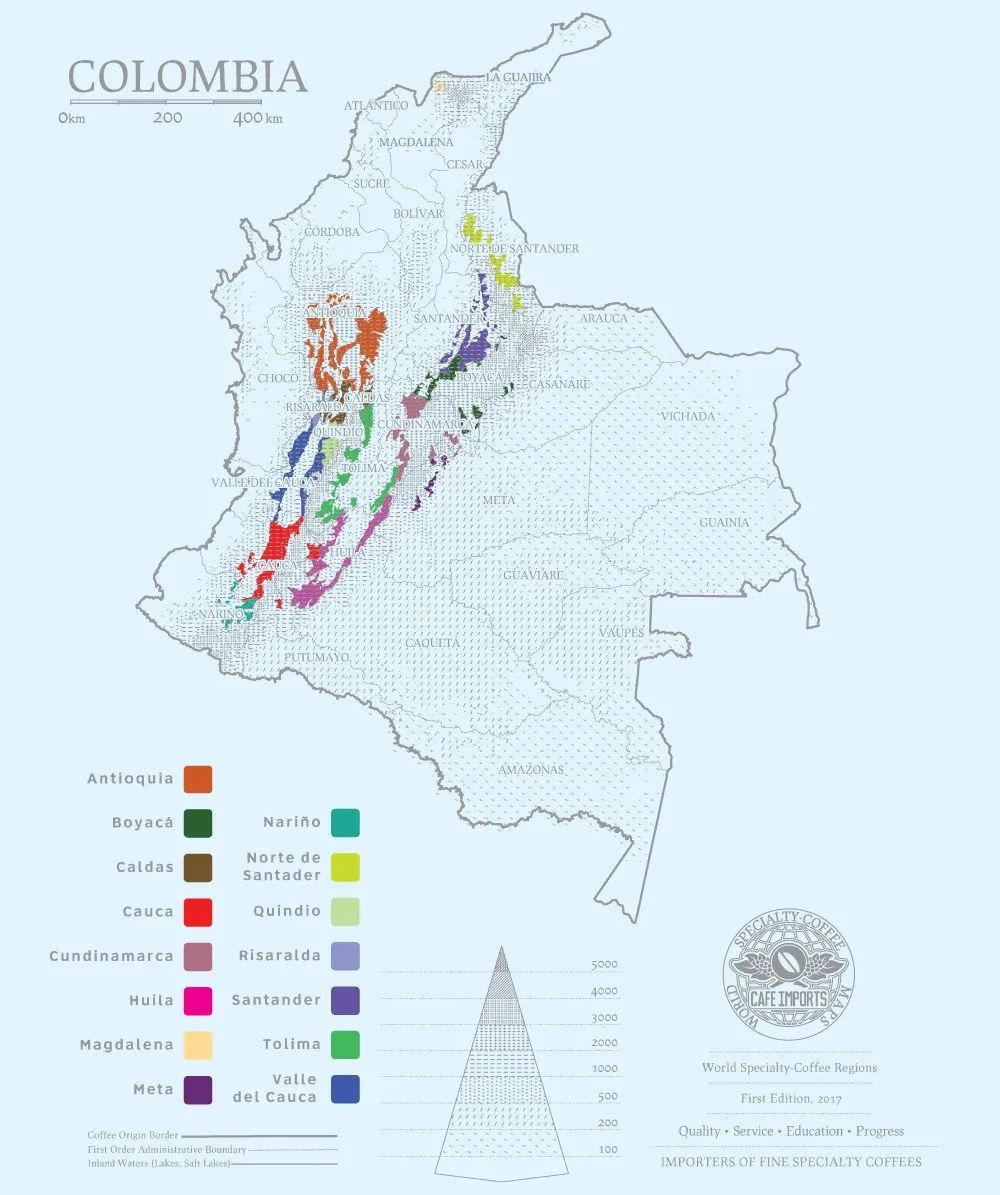
Coffee cultivation in Colombia is primarily concentrated in the central-western Andean region, formed by the Eastern, Central, and Western Cordilleras, with an average elevation exceeding 3,000 meters and numerous volcanoes. These highlands and valleys create complex and varied microclimates, leading to staggered harvest seasons that extend the overall production period and foster diverse flavors. Among Colombia’s 32 departments and the capital district, 15 are classified as major coffee-growing regions, with Cauca, Santander, Antioquia, Nariño, Tolima, and Huila being the six primary ones.
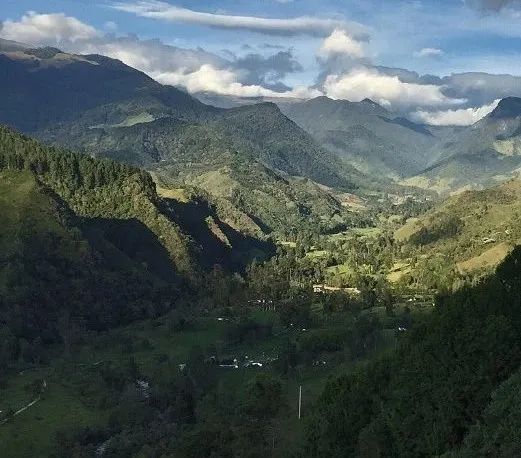
When it comes to Colombian specialty coffee, many first think of El Diviso Estate in Huila, La Roca Estate in Tolima, or La Esperanza Estate in Cauca. These regions and estates have earned global acclaim for consistently producing high-quality coffee. However, the lesser-known Antioquia region, though famed for its stable high yields, is also home to family-run enterprises like El Zacatin Estate, dedicated to crafting specialty-grade coffee.
Nestled in the mountainous terrain of Concordia, southwestern Antioquia Province, El Zacatin Estate is managed by Eduardo Fernandez and his two brothers, representing three generations of family farming. Since their grandfather began cultivating coffee around 80 years ago, the estate has continuously refined its planting and processing techniques. The estate spans three farms: Zacatin, Illusion, and La Costain, with approximately 200 hectares dedicated to commercial varieties like Castillo to ensure a stable supply.
Notably, in pursuit of higher quality while maintaining yield, the estate has recently allocated about 30 hectares to specialty coffee varieties, including Sidra, Java, Wush wush, Pink Bourbon, SL28, and the iconic Geisha. These varieties, highly responsive to altitude and processing methods, often exhibit complex floral, fruity notes, and unique sweetness, making them excellent choices for pour-over enthusiasts.
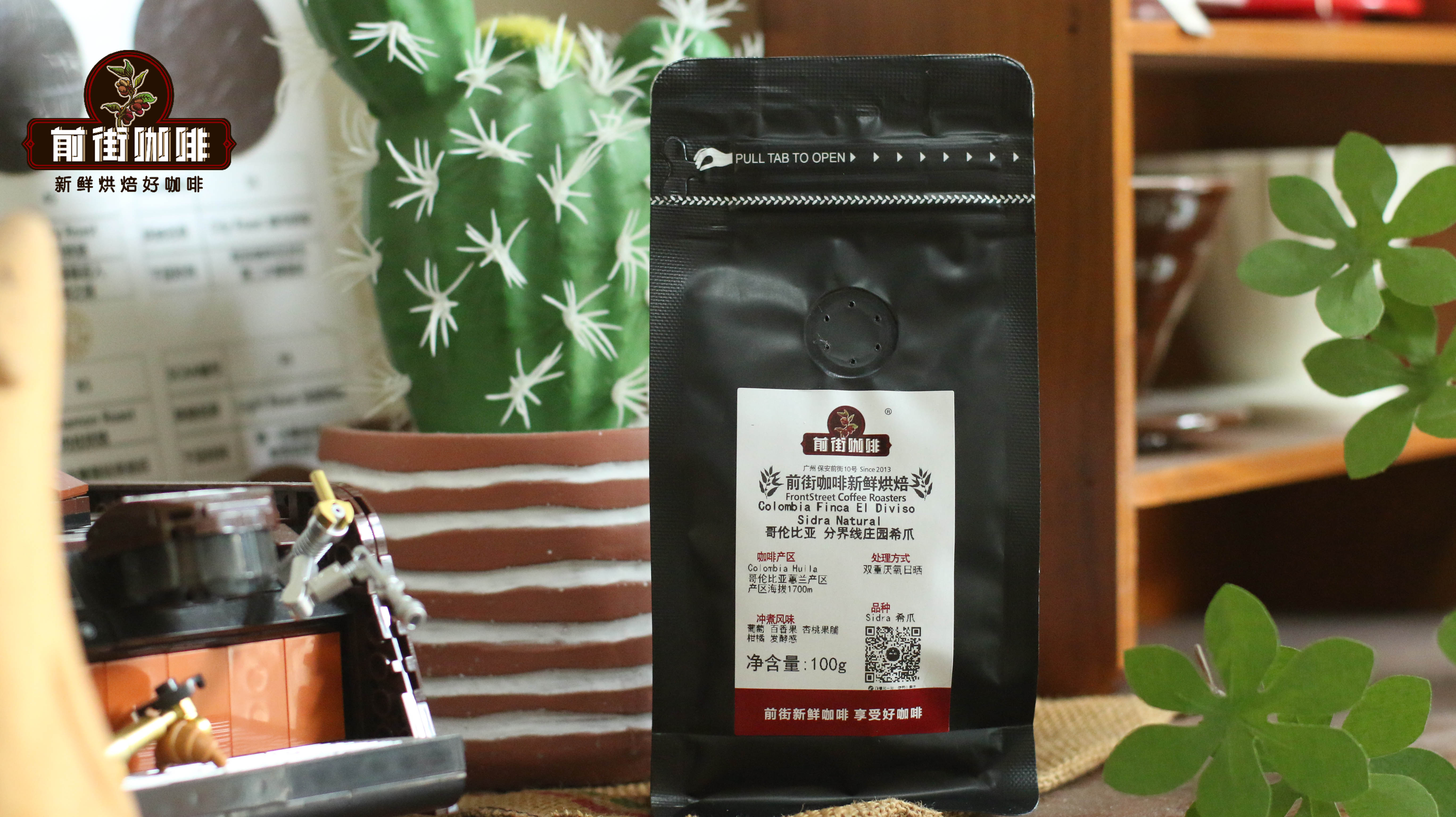
Though not typically regarded as a “go-to” region for specialty coffee, Antioquia boasts exceptionally favorable geographic conditions. Located in north-central Colombia within the Andes, the province features fertile volcanic soils, benefits from the mild sea breezes of the nearby Caribbean Sea, and is nourished by numerous rivers providing ample water. The significant diurnal temperature variation, long daylight hours, and abundant rainfall characteristic of its highland mountains create an ideal environment for coffee trees, facilitating the accumulation of flavor compounds.
In fact, Antioquia is one of the earliest regions in Colombia to adopt coffee cultivation. As early as the 18th century, Jesuit missionaries introduced coffee to this area, which later spread nationwide. This historical backdrop has endowed the region with a deep-rooted coffee-growing culture and technical expertise, allowing it to nurture nuanced and layered specialty coffee even amid large-scale production.
For coffee enthusiasts, understanding the background of these regions and estates not only helps guide bean selection but also enables adjustments in brewing parameters—such as water temperature, grind size, and extraction time—based on regional characteristics to further unlock the coffee’s potential. For instance, high-altitude coffees often feature bright acidity and delicate flavors, suiting slightly lower temperatures and medium-coarse grinds; meanwhile, fruity or winey varieties like Geisha or Sidra can showcase their unique complexity when brewed with medium-light roasts via pour-over.
In summary, the charm of Colombian coffee lies not only in its consistent output but also in its diverse microclimates, rich variety selection, and producers like El Zacatin Estate that strike a balance between tradition and innovation. Whether you’re a beginner exploring pour-over or a seasoned coffee aficionado seeking fresh flavors, a deeper understanding of these regions will open up a whole new perspective on your coffee experience.
The above content is compiled by CoffeeHunters, a coffee news website.


