







Introduction:Many beginners on their pour over coffee journey often have questions about pouring tools: Do you really need a gooseneck kettle? Can’t you just use a regular kettle? How do you choose the right capacity? Can you heat it directly on a stove? This article will delve into the requirements for pouring tools in pour over brewing, compare professional gooseneck kettles with ordinary kettles, help you find the tool that suits you best, and answer common purchasing misconceptions.
Many friends who are just starting to explore pour over coffee may have wondered: I just want to brew a cup of coffee—why do I have to use a gooseneck kettle? Can’t I just use an electric kettle or a readily available thermos? In fact, pour over coffee doesn’t strictly require a specific pouring tool, but why do so many people still recommend using a gooseneck kettle? This article will start with the basic needs, guide you through the advantages of professional gooseneck kettles, how to choose the right capacity based on your own needs, and practical issues such as whether direct heating is possible.
 queryset="Why does pour over coffee need a professional kettle?"
First, let’s clarify a common misconception: although there are no strict rules about the pouring tool used in the pour over process, using a professionally designed gooseneck kettle can indeed make the extraction process smoother and more stable, thereby affecting the final flavor profile. Some might think, “I’ll just try it with a regular kettle!” True, skilled brewers can indeed use various containers for pour over, such as electric kettles, thermoses, or even sharing pots. But for most beginners, lacking the ability to control water flow steadily and adjust the angle, using a professional gooseneck kettle is a safer and more beginner-friendly choice.
So, what’s so special about a professional gooseneck kettle? The most obvious difference lies in the spout design. Compared to regular kettles, gooseneck kettles usually have a slender, bendable spout that allows users to more precisely control the water flow’s landing point, speed, and angle. This design helps you pour hot water into the coffee grounds more evenly, effectively avoiding issues like localized over-extraction or uneven extraction, thereby enhancing the overall balance and flavor complexity of the coffee.
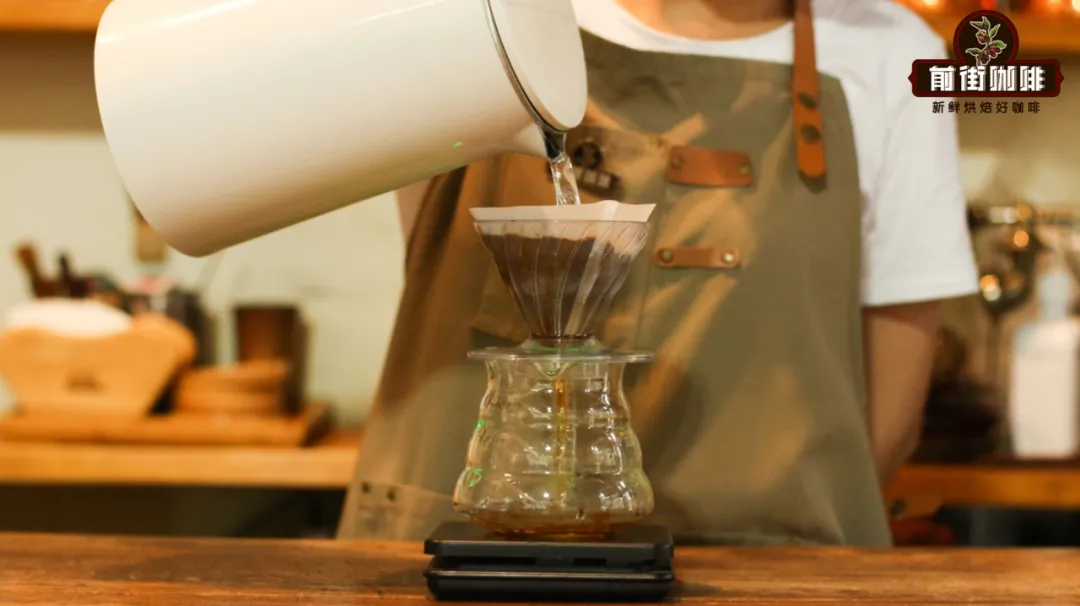
For example, when you want to perform techniques like “center pouring” or “spiral pouring,” a regular kettle often struggles to control the direction of the water flow precisely, while the slender spout of a gooseneck kettle can play a significant role, allowing you to easily achieve a stable and controllable pouring trajectory. Additionally, many gooseneck kettles also come with volume markings, which is undoubtedly an extra convenience for coffee enthusiasts who need to strictly control water volume.
Next, let’s talk about the capacity issue that everyone cares about. What’s the right capacity for a gooseneck kettle? Generally speaking,0.6 to 1.2 litersis the most popular capacity range among beginners and general home users. This capacity can meet the needs of a single pour over session (usually using about 200 to 300 milliliters of hot water), without being too heavy or large, which would make handling difficult. If you often brew for multiple people or prefer to prepare multiple cups of coffee at once, you might consider choosing1.5 liters or more, but be sure to pay attention to the kettle’s weight and grip stability.
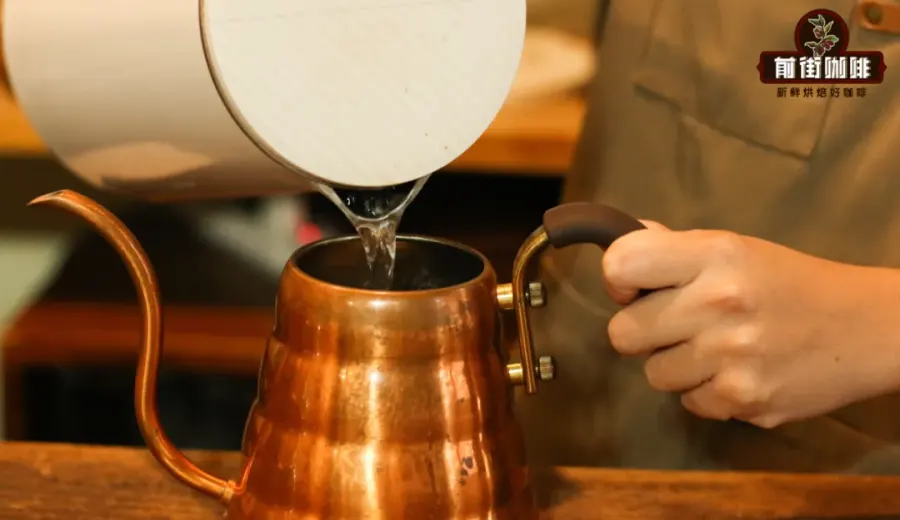
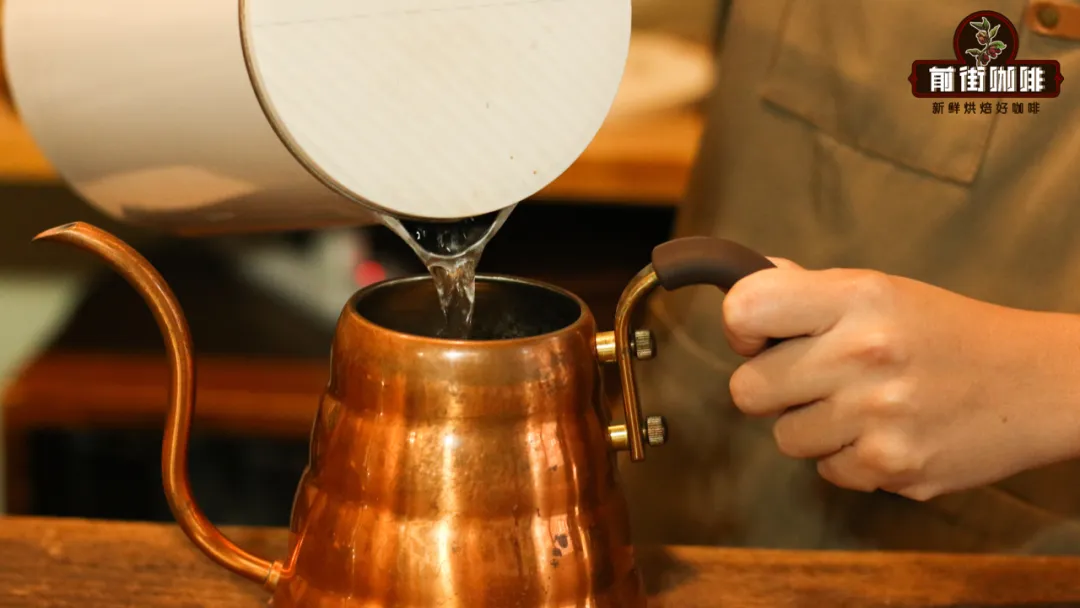
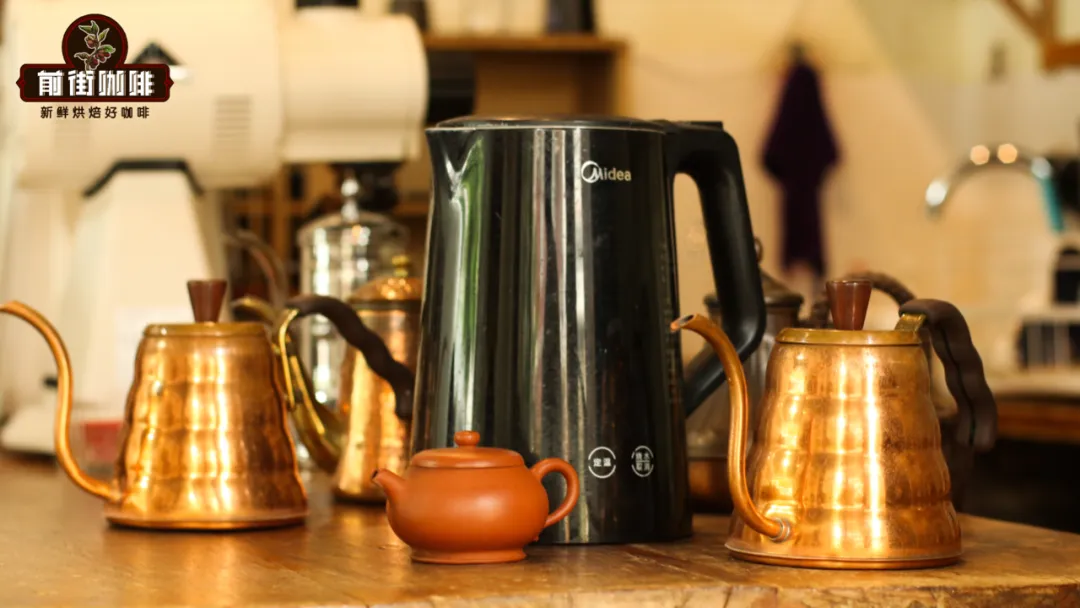
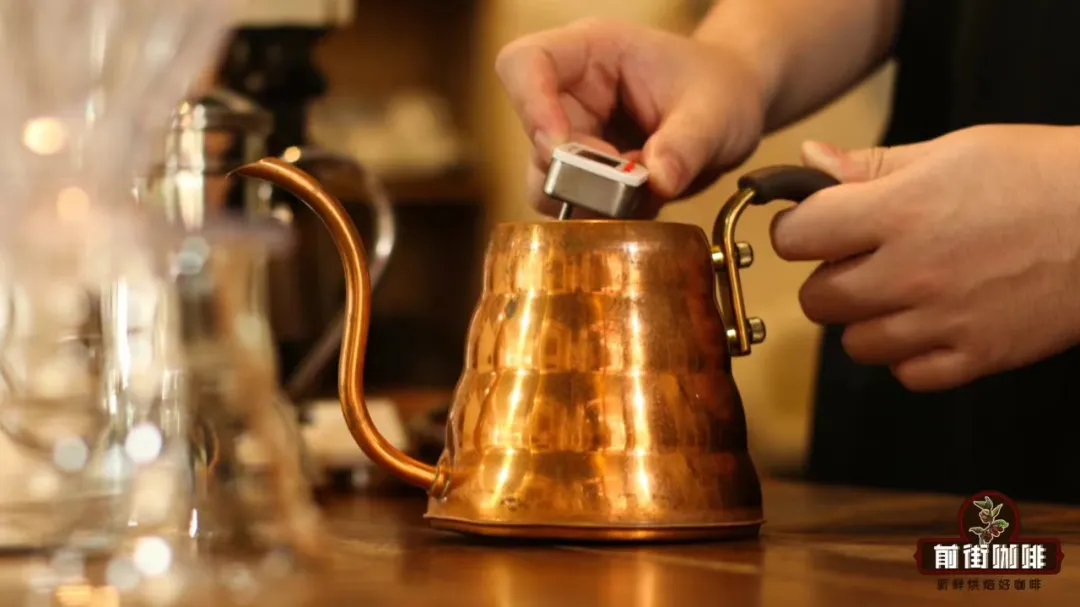
Additionally, many readers ask: “Can a gooseneck kettle be placed directly on a stove for heating?” The answer is: it depends on the material. Gooseneck kettles on the market are mainly made of stainless steel, aluminum alloy, copper, glass, and ceramic. Among them,stainless steel and glass gooseneck kettles can mostly withstand direct heating, but be sure to check the product description to avoid using models not suitable for high temperatures. As for metal kettles made of aluminum or copper, although they have good thermal conductivity, some may not have undergone special internal treatment, and direct heating could affect the kettle’s lifespan or cause uneven heating. Moreover, most professional gooseneck kettles, in order to ensure the precision of the spout design and the overall structural stability,are not recommended to be placed directly on gas stoves, electric stoves, or induction cooktops for heating, to avoid deformation or damage. If you need hot water, it’s advisable to heat it first with a professional water heating appliance, then pour it into the gooseneck kettle for use.
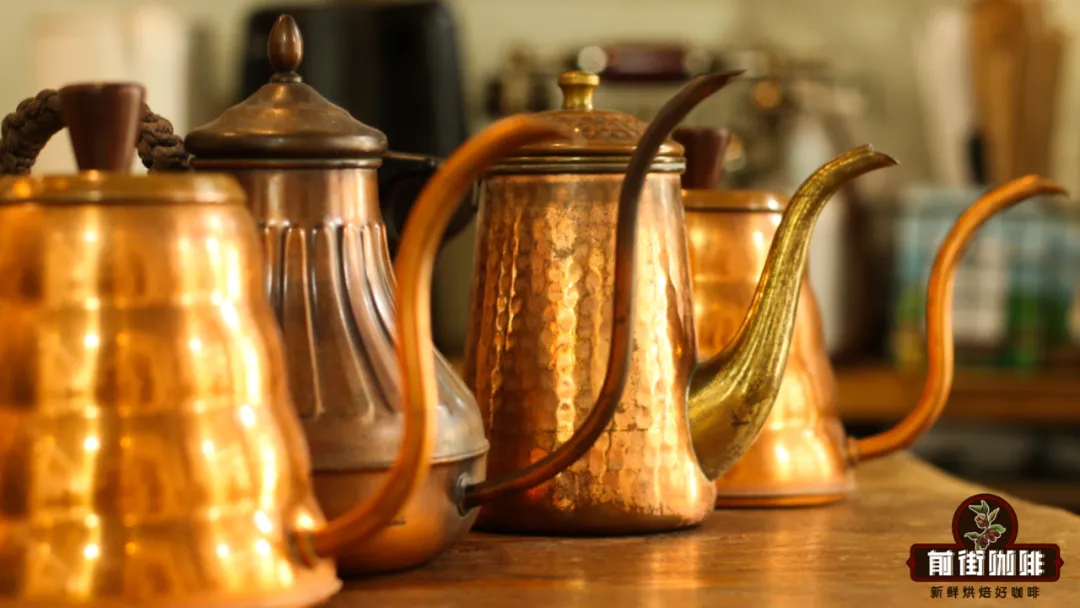
In summary, although pour over coffee doesn’t mandate the use of a professional gooseneck kettle, if you hope to improve brewing stability, master more precise pouring techniques, and further appreciate the delicate flavors of coffee, investing in a gooseneck kettle that suits you is definitely worthwhile. When purchasing, it’s recommended to decide on the capacity size based on your daily usage needs, and pay attention to whether the spout design is comfortable to use and whether the material is suitable for your heating habits. Most importantly, practice more on water flow control and pouring rhythm to truly unleash the potential of your gooseneck kettle and brew a satisfying cup of coffee.
The above content is compiled by CoffeeHunters, a coffee news website.


