







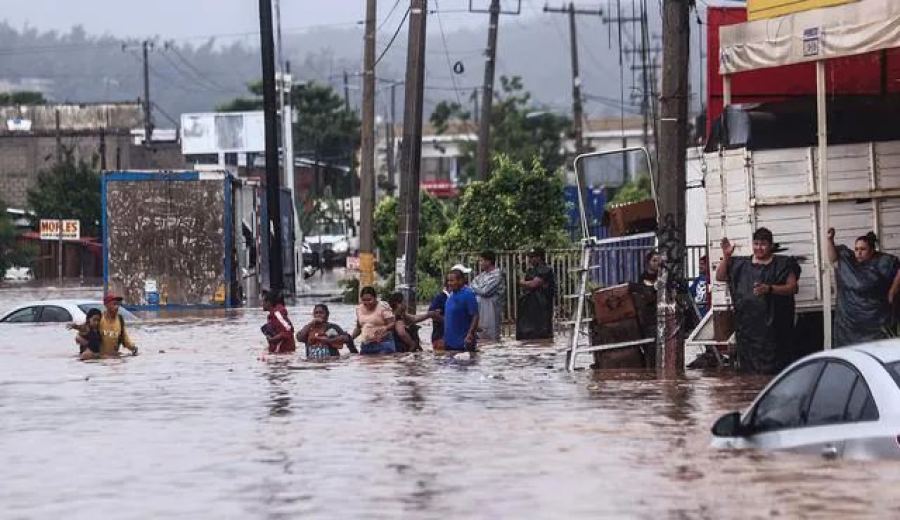
Introduction:A powerful hurricane has ravaged southern Mexico’s coffee-growing regions, causing severe casualties and infrastructure damage, and directly impacting the 2024/25 coffee harvest. This article delves into the real effects of the disaster on high-quality Arabica farms located at elevations above 1,200 meters, revealing how heavy rains and landslides have led to reduced yields. It also explains how Mexico’s production decline is exacerbating global market price volatility amid an ongoing Robusta shortage.
A Category 3 hurricane made landfall on Mexico’s southern coast and quickly evolved into an agricultural catastrophe. Hurricane John not only claimed 16 lives and left over 100,000 households without power, but also plunged Guerrero and Oaxaca — which together account for 95% of the country’s coffee output — into a flood crisis. At a critical stage when coffee cherries were undergoing color change, days of relentless rain and the potential for extreme downpours (with cumulative rainfall possibly exceeding 1,270 mm) are now seriously threatening the yield prospects of the 2024/25 season.
According to local meteorological records, during the initial onslaught of Hurricane John, daily rainfall in the mountainous southwest reached as high as 431 mm, with some localized areas recording astonishing levels of 533 mm. This extreme precipitation has directly caused two major problems: mature coffee cherries being knocked off by strong winds, and coffee tree roots in low-lying areas remaining submerged in water for extended periods. Even more troubling is that,the main cultivation zone between 1,200 and 1,800 meters above sea level, due to its loose geological structure and damaged vegetation, is now facing a sharply increased risk of landslides.
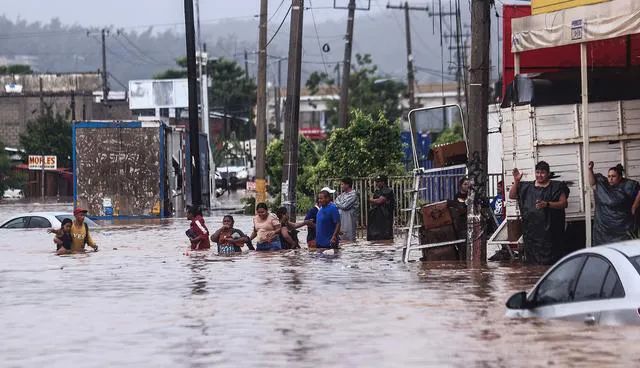
Mexico’s coffee-growing regions rely heavily on stable microclimates. Professional agronomists point out that when continuous rainfall exceeds 300 mm and drainage is poor, the nitrogen absorption efficiency of coffee trees can drop by more than 40%, directly affecting sugar accumulation in the fruit and flavor development. The hardest-hit state, Guerrero, is characterized by numerous steep-slope coffee farms, which, after heavy rains, not only face soil erosion but may also experience long-term issues such as increased soil acidification.
In terms of the growing season timeline, Mexican coffee is typically harvested from November to March of the following year, while the current fruit development phase (around August to October each year) is a crucial window that determines per-tree yield. Farmers report that unripe cherries knocked off by rain account for approximately 15%–20% of the total, and coffee trees in flooded areas are expected to see yields drop by over 30%.The 2024/25 season, which was originally projected to produce 3.35 million bags (each weighing 60 kg), is now under significant downward pressure.
Notably, this disaster comes at a time when the global coffee supply chain is already under strain. Due to drought in Brazil and unrecovered production in Vietnam and Indonesia, international Robusta bean prices have soared to a historic high of $2,800 per ton. Mexico, as North America’s largest producer of Arabica beans,with its medium-bodied beans featuring nutty flavor profiles, has been an important component in many roasters’ blends to balance flavor profiles. Now, with reduced supply, it is expected to further drive up auction prices in the international market.
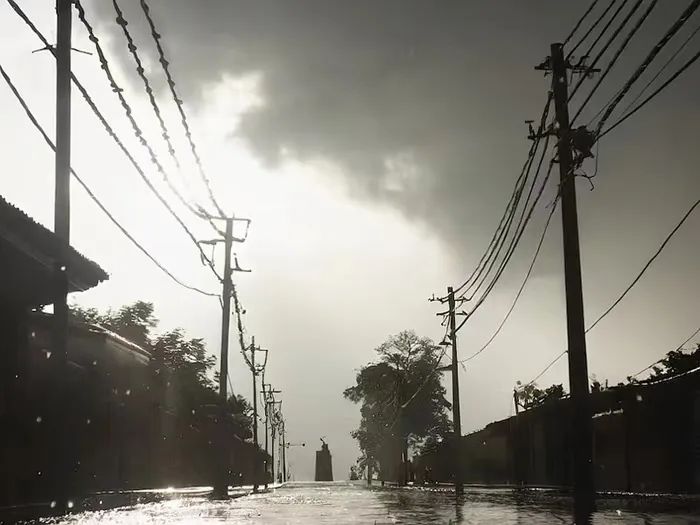
Industry experts caution that even if weather conditions improve in the coming weeks, damaged irrigation systems and road networks will still affect harvesting efficiency. Three key developments to watch include: first, the actual loss assessment report for the November harvest season; second, whether the Mexican government will activate agricultural insurance compensation mechanisms; and third, whether international buyers will turn to Colombia or Ethiopia for alternative supplies. These factors will collectively determine the direction of global coffee wholesale prices over the next six months.
The above content is compiled by CoffeeHunters, a coffee news website.


