








Introduction:Specialty coffee emphasizes regional characteristics, but behind this lies the mystery of "terroir." This article delves into how three key environmental factors—soil, climate, and altitude—shape the unique flavor profile of coffee. From bright citrus acidity to the deep, tart-sweetness reminiscent of black plums, understanding these foundational elements helps you better grasp the origins of coffee flavors, enhancing both your tasting skills and bean selection judgment.
Whenever we taste a cup of specialty coffee from a specific region, have you ever wondered why baristas always tell you where it’s from right away? The answer lies in what we call “terroir.” Each piece of land, due to its unique geographical environment and climatic conditions, creates subtle differences in coffee flavor. This not only affects aroma and the balance of sweetness and acidity but also shapes the overall personality of the coffee. This article will take you into the world of terroir and explore how soil, climate, and altitude—these three key factors—work together to compose the diverse profiles of coffee.

Regular coffee drinkers may notice that whether buying online or in-store, coffee professionals or product descriptions often highlight the origin first. Even if it’s not a globally renowned variety like Geisha, they’ll still specify, “This coffee is from Kenya” or “Produced in Guatemala.” This approach is similar to how tea and wine are marketed, because origin is often the first clue to a coffee’s flavor characteristics.
So-called "terroir" refers to the unique product shaped by the combined influence of a region’s natural and human environments. In the world of coffee, it mainly includes factors such as soil composition, temperature variations, rainfall patterns, and altitude. These elements intertwine and directly affect the growth rhythm of coffee plants and the development of their fruits. What ends up in your cup is a flavor profile with its own distinctive character.

As the saying goes: “An orange grown in Huainan is an orange, but grown in the north of the Huai River, it becomes a trifoliate orange.” This also applies aptly to coffee. Even when the same coffee variety is planted and processed similarly, coffee from different regions will still exhibit distinctly different flavor profiles. For example, Kenyan coffee often features bright acidity reminiscent of red fruits, like a combination of cherry tomatoes and black plums—this is a signature flavor shaped by its terroir. Therefore, for seasoned coffee enthusiasts, simply hearing the name of the origin can often give a rough prediction of the flavor direction.
It’s worth noting that even within the same country, terroir can vary significantly between different regions. Take Ethiopia, for example: coffee from the Sidamo region often presents a sweet-tart profile of citrus and tropical fruits like pineapple, with rich aromatic layers; while coffee from the Yirgacheffe region is known for its refreshing lemon aroma and elegant white floral notes, with even more delicate acidity. These subtle differences are the result of the combined effects of the three terroir elements.
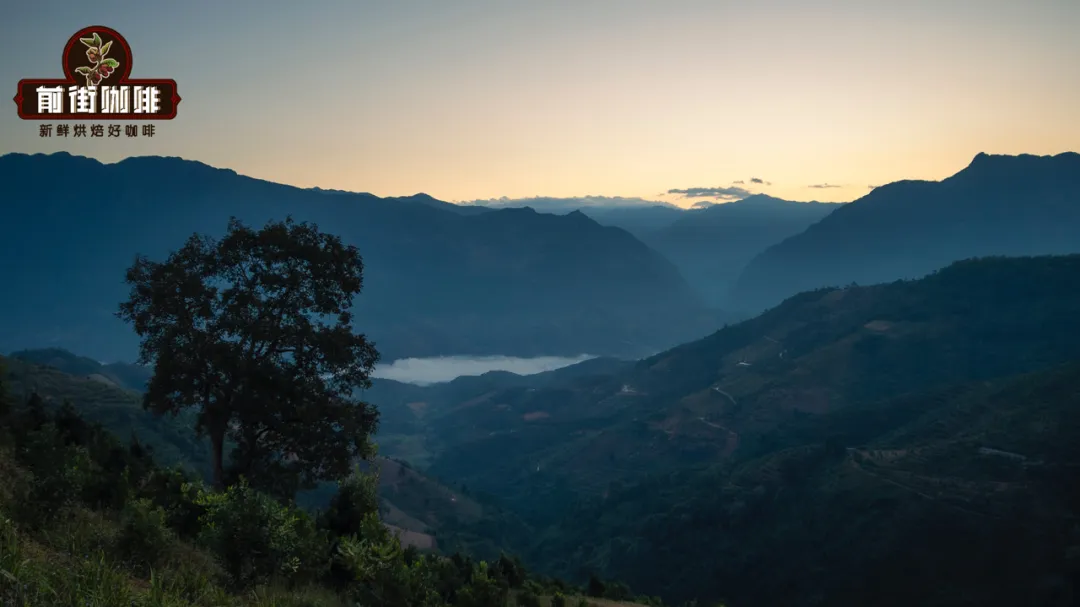
So, what exactly are the environmental conditions that influence the final flavor expression of coffee? The industry generally identifies three main factors, known as the “three elements of terroir”: soil, climate, and altitude. Next, let’s break down their individual impacts.
Soilis the primary source of nutrients for coffee trees. Its type, pH level, and mineral content all directly affect the growth of coffee cherries and the resulting flavor. For instance, volcanic soils rich in iron and calcium often yield coffee beans with bright acidity and a rich body. The efficiency of nutrient delivery under different soil conditions also alters the sweetness and complexity of the aroma, especially in terms of acidity and body (mouthfeel), where the impact is particularly significant.
Climateis the crucial backdrop that determines whether coffee can grow healthily. As a tropical crop, coffee trees are highly sensitive to temperature and generally thrive only within about 25 degrees north and south of the equator—this zone is also known as the “coffee belt.” Within this belt, variations in rainfall, day-night temperature differences, and seasonal distribution further influence the ripening speed and flavor concentration of the coffee. For example, environments with high rainfall paired with cool nights help preserve acidity and develop aroma.
Finally, we must mentionaltitude. There’s a saying in the industry: “The higher the altitude, the better the coffee,” and it’s not without basis. As altitude increases, temperatures generally drop, causing the ripening process of coffee cherries to slow down. Although yields per unit area may decrease, the cherries have more time to accumulate sugars and flavor compounds. Studies show that coffee grown at high altitudes (typically above 1,200 meters) often has richer acidity, more complex aromas, and better body. In contrast, coffee grown at lower altitudes ripens faster, and the flavors may be thinner or more bland.
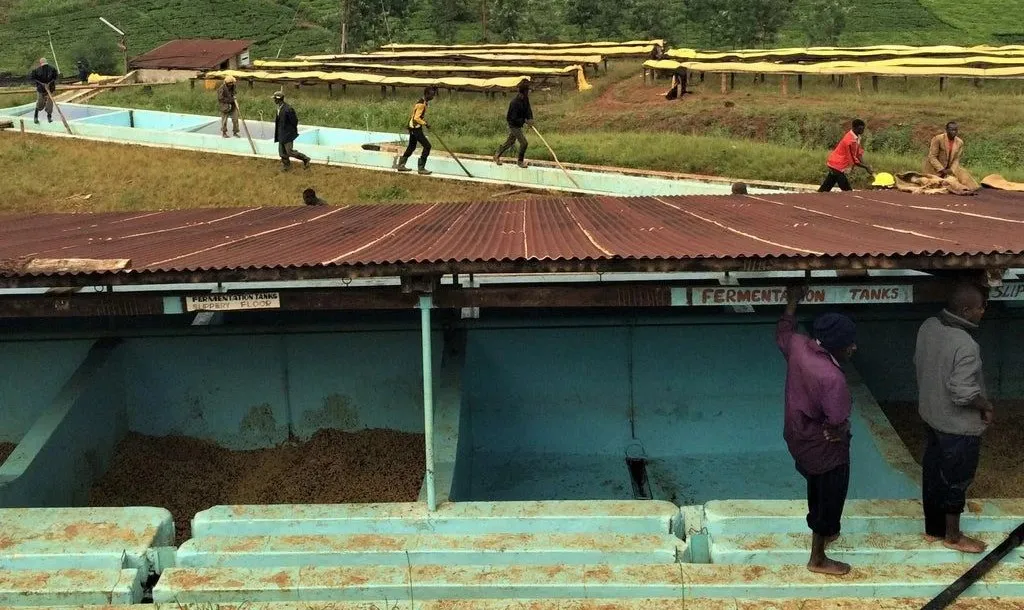
Overall, terroir is indeed the cornerstone of a coffee’s unique personality, but it’s not the only factor that determines the final flavor of a cup of coffee. From the genetic traits of the variety, post-harvest processing techniques (such as washed, natural, or honey processing), roast curve design, all the way to the brewing method and parameter settings, each step further modifies or amplifies the original terroir characteristics. Therefore, while understanding terroir, don’t overlook the comprehensive influence of these subsequent steps.
In summary, if you want to more deeply appreciate and evaluate a cup of specialty coffee, start by understanding the origin and its terroir environment—this will open a new door to your tasting experience. Soil, climate, and altitude aren’t just abstract concepts—they are the real key elements that influence the balance of sweet, sour, bitter, and umami in the cup of coffee in your hand.
The above content is compiled by CoffeeHunters, a coffee news website.


