







Introduction:Thanks to its exceptional geographical and climatic conditions, Costa Rica has nurtured numerous high-quality coffee-growing regions. This article delves into two of the country’s most representative regions—Tarrazú and Brunca—focusing on the iconic Finca Las Piedras. We explore its flavor profile, altitude advantages, and planting history, as well as how this estate crafts distinctive specialty coffees through meticulous cultivation and processing methods.
In Spanish, Costa Rica translates to "Rich Coast." This Central American country boasts fertile volcanic soils, favorable monsoons and Pacific currents, along with numerous high-altitude mountains that create diverse microclimates, making it exceptionally suitable for coffee cultivation. As early as the early 18th century, Costa Rica introduced coffee seeds from Cuba, becoming one of the first countries in Central America to engage in commercial-scale coffee farming.
With a solid economic foundation and government emphasis on Arabica varieties, Costa Rica has maintained a strong presence in the specialty coffee sector. The government has even legislated to prohibit the cultivation of Robusta, ensuring that all national coffee production consists of high-quality Arabica beans, thereby establishing its premium image in the international market. Among the country’s many coffee-growing regions, Tarrazú is undoubtedly one of the most iconic.
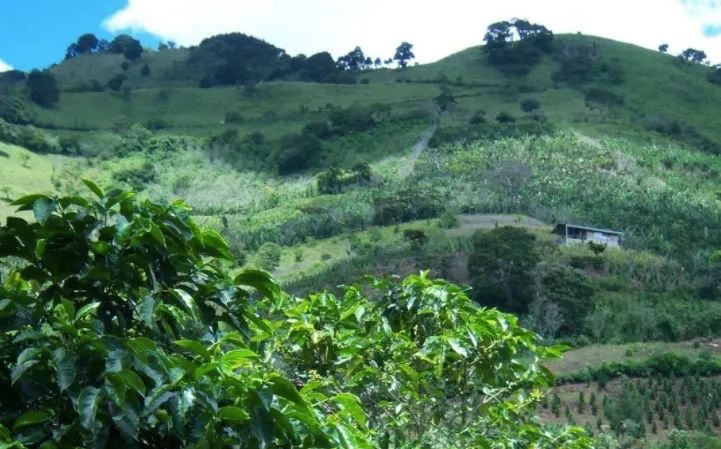
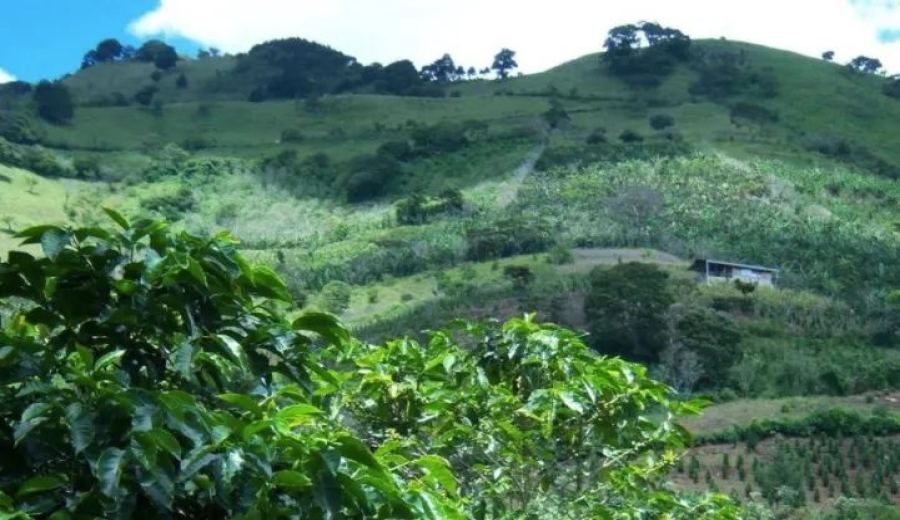
Located in central Costa Rica, Tarrazú features a volcanic terrain surrounded by multiple mountain ranges and national parks. Not only is the climate humid, but the area also benefits from mineral-rich volcanic rock soils, providing an ideal growing environment for coffee trees. The region has a long history of coffee cultivation, and in 2019, the Costa Rican government officially registered the “Café de Tarrazú” designation of origin with the European Union and the World Intellectual Property Organization (WIPO), enhancing its international certification status.
One brand’s everyday coffee bean series also includes selections from the Tarrazú region. These beans primarily consist of the Catuai and Caturra varieties, processed using the washed method, and are graded as SHB (Strictly Hard Bean), indicating an altitude of growth exceeding 1,200 meters. When brewed, they exhibit mild fruit acidity with aromas of sweet orange, nuts, and honey, followed by a smooth finish and refreshing aftertaste. They are highly suitable for daily drinking or as an entry-level pour over option.
Aside from Tarrazú, seven other major coffee-growing regions are spread across the Cordillera Central mountain range in central Costa Rica. Among them, the Brunca region, though relatively less known, also holds significant coffee potential. Situated in the southern part of the country between Cerro de la Muerte and Cerro Chirripó—the latter being Costa Rica’s highest volcano—the region’s coffee is grown at elevations ranging from 800 to 1,700 meters. The humid tropical climate, combined with soils composed of red clay and silt, results in high-density beans with notable sweetness.
Within the Brunca region, Finca Las Piedras (Stone Estate) is a highly representative specialty coffee farm. The estate’s name originates from indigenous stone sculptures unearthed locally, dating back to 200 BCE to 1500 CE, known as the “Mystery Stone Spheres,” which carry a rich cultural background. The farm is managed by Gerardo Arias, whose family has been engaged in farming for generations. However, due to low coffee prices in earlier years, life was difficult. Gerardo dropped out of school at just ten years old to help support the family, and didn’t return to his homeland until after eight years of hard work in New Jersey, USA. He used his savings to revive the family business.
After returning home, Gerardo introduced modern agricultural concepts to the estate’s management, actively adopting advanced planting and post-harvest processing techniques to enhance coffee quality. Under his leadership, Finca Las Piedras cultivates a diverse range of varieties, including Catuai, Caturra, Geisha, and F1 high-quality hybrid beans. Each variety showcases unique terroir characteristics and refined flavor profiles.
The above content is compiled by CoffeeHunters, a coffee news website.


