







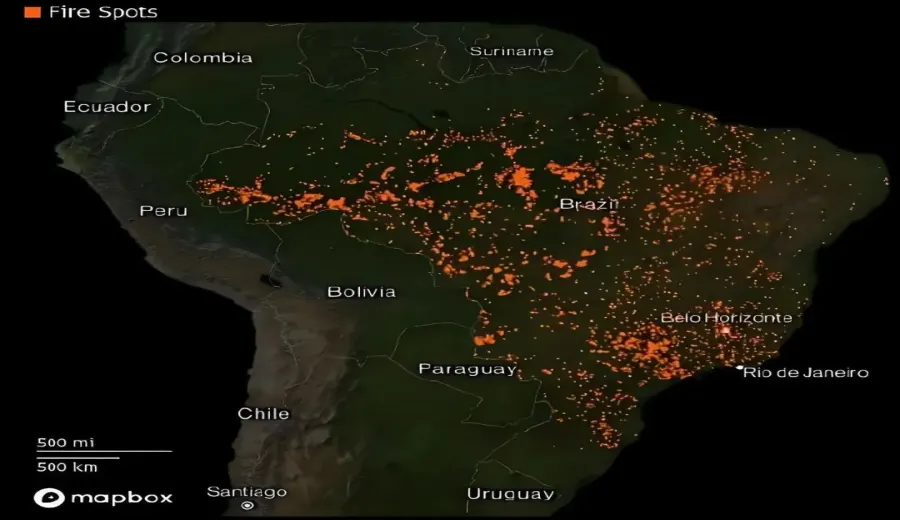
Introduction:Brazil is experiencing its worst drought in over 70 years, with nearly 60% of the country affected. Major coffee-producing regions such as São Paulo and Minas Gerais have been hit hard. The drought, compounded by forest fires, is occurring during the coffee trees’ flowering period and could lead to tightened supply in the next harvest season. This article delves into the actual impact of the current disaster on Brazil’s coffee production and the global coffee market price trends, helping readers grasp market dynamics and future procurement strategies.
Brazil is currently facing its most severe drought crisis since systematic records began in 1950, with nearly 60% of the nation’s land affected. In some areas, the drought has reached extreme levels. According to data from Brazil’s official meteorological and disaster monitoring agencies, the drought covers over 58% of the country’s territory, spanning an area of more than 5 million square kilometers, and significant rainfall is not expected until at least mid-September.
The severity of this drought has surpassed historical droughts in 2015–2016 and 1998. The Standardized Precipitation Evapotranspiration Index (SPEI), which measures drought intensity, shows that current values have reached alert levels, and the drought conditions continue to expand. Not only is rainfall severely deficient, but frequent forest fires across the regions are also having a notable impact on agricultural production, particularly on coffee cultivation.
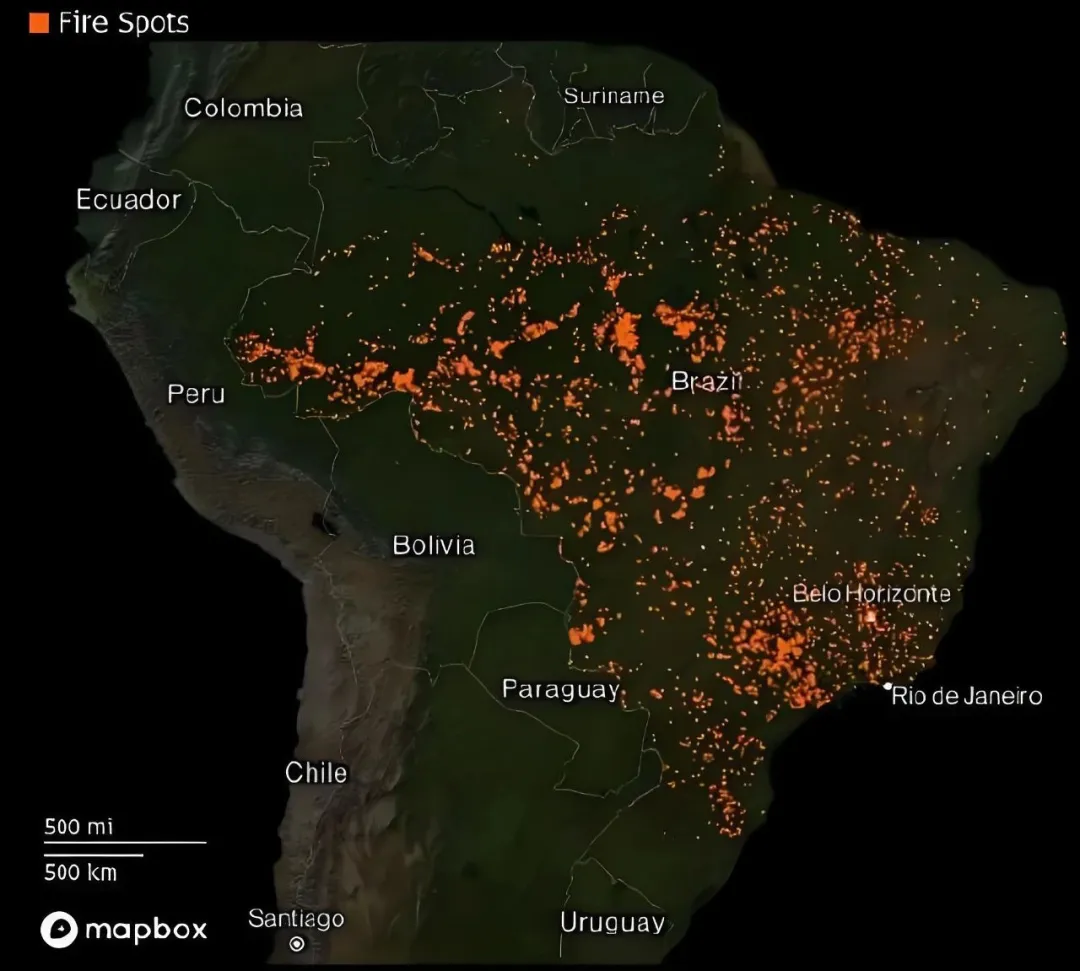
According to statistics from Brazil’s National Institute for Space Research (INPE), the country recorded 68,635 fire incidents nationwide in August this year, the highest for the same month since 2010. The Amazon region was the hardest hit, with 38,266 fire incidents in a single month. Meanwhile, São Paulo state also logged 3,175 fires in August, with many rural areas declared to be in a state of emergency. The spreading fires damaged at least 80,000 hectares of farmland, including sugarcane fields and coffee plantations.
The fires have not only destroyed native vegetation but also directly threatened the growing environment of coffee trees, causing an estimated agricultural loss exceeding 1 billion Brazilian reais. By September, although most fires were under control, nine cities in São Paulo still had active fire spots, located in areas such as Ribeirão Preto, Campinas, Bauru, Marília, and the Paraíba Valley, continuing to pose threats to surrounding ecosystems and water sources.
The impact of the drought is widespread. Statistics show that approximately 3,978 municipalities across the country are suffering from varying degrees of drought, with 201 having entered a state of extreme drought, marking a historic high. The municipalities in extreme drought are mainly concentrated in São Paulo state (82) and Minas Gerais state (52), and this number showed an upward trend in early September, with expectations of possibly exceeding 4,500.
In terms of soil moisture, the average soil water content in Brazil from May to July dropped sharply by 66.10 mm compared to the same period last year. States such as São Paulo, Minas Gerais, and Goiás, as well as the Federal District where the capital Brasília is located, have been listed in the red alert zone due to soil moisture levels below 12%. Additionally, many areas have relative humidity below 30%, entering orange or yellow alert states. The dual impact of drought and wildfires will further degrade soil conditions.
Air pollution is also a major concern. Air quality indicators in places like Minas Gerais have reached nearly ten times the level recommended by the World Health Organization (WHO). High concentrations of smoke and particulate matter not only endanger residents' health but may also inhibit plant photosynthesis, indirectly leading to slower crop growth, reduced quality, and ultimately affecting yields.
It is worth noting that São Paulo and Minas Gerais are two of Brazil’s most important coffee-producing regions, with Minas Gerais alone accounting for about 30% of the country’s total coffee output. Currently, it is the critical flowering period for coffee trees, and the dry and hot conditions are highly unfavorable for flower bud differentiation and subsequent fruit setting. If La Niña conditions occur again by the end of the year, they may exacerbate climate anomalies and further reduce the supply of the next harvest season.
As the world’s largest coffee producer, Brazil’s domestic coffee market has also clearly reflected the impact of this disaster. In August this year, the spot price of Robusta coffee beans rose to 1,483.95 Brazilian reais per bag, a 16.73% increase from the previous month, even surpassing the price of Arabica beans at 1,448.24 reais per bag. On the international market, Robusta is quoted at 5,340 US dollars per ton, while Arabica is at 296.5 US cents per pound, indicating that global buyers’ concerns over the stability of Brazil’s supply continue to drive up price trends.
Overall, the current extreme drought and wildfire situation in Brazil not only pose an immediate threat to this season’s crops but may also bring the risk of reduced production for the 2025 new harvest season. For global consumers and traders, the trend of rising coffee prices in the coming period is unlikely to reverse, and the balance between market supply and demand will continue to be tested.
The above content is compiled by CoffeeHunters, a coffee news website.


