








Introduction:Geopolitical tensions in the Horn of Africa are escalating once again, with Egypt delivering a second batch of military equipment to Somalia, sparking strong backlash from Ethiopia and Somaliland. This article delves into the strategic rivalry among Egypt, Somalia, and Ethiopia, explores how the regional tensions are impacting the Harar coffee-growing region in eastern Ethiopia, and analyzes the potential impacts of the EUDR policy and exchange rate fluctuations on the global coffee supply chain.
The situation in the Horn of Africa has once again become volatile. Egypt recently provided a new round of military aid to Somalia, including heavy artillery, anti-tank weapons, and armored vehicles, drawing heightened attention from neighboring countries. This military assistance is a further step following the bilateral defense cooperation agreement signed by Egypt and Somalia in August 2024, with the military supplies arriving in Somalia’s capital, Mogadishu, via military ships.
Egyptian officials emphasized that this move aims to help Somalia enhance its national defense capabilities and respond to the public’s demand for security and stability. However, such military support has triggered a chain reaction in the geopolitically sensitive Horn of Africa, particularly drawing deep concern from both Somalia and Ethiopia regarding Egypt’s involvement.
This is not the first time Egypt has supplied weapons to Somalia. As early as August 2024, Egypt signed a military cooperation protocol with Somalia and provided the first batch of military aid in over 40 years. Now, the arrival of the second batch of aid is seen as a further strengthening of Egypt’s stance on the Somalia issue, also making the regional military standoff even more complex.

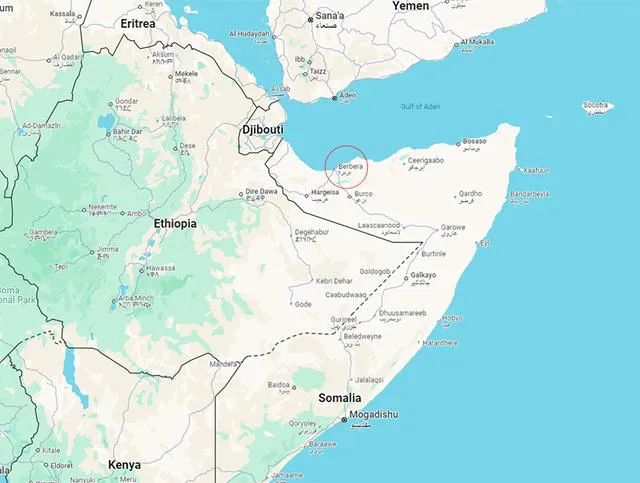
Behind this round of tensions lies multiple geopolitical strategic gambits, among which the use of the port of Somaliland and the dispute over the Renaissance Dam’s water usage are the most critical. Earlier this year, Somaliland and Ethiopia reached an agreement to lease the Berbera Port in the Gulf of Aden in exchange for Ethiopia’s international support for its “independence” status. However, the Somali government firmly opposes this, considering it a serious violation of its sovereignty and a direct impact on the country’s control over the region.
Meanwhile, tensions between Egypt and Ethiopia have risen due to the construction of the Grand Ethiopian Renaissance Dam on the Blue Nile. This dam, built on the Blue Nile, affects the distribution of water resources across the Nile Basin countries, particularly causing deep unease for downstream Egypt. Although multiple parties have engaged in negotiations, no consensus has been reached so far, making it one of the key sources of regional instability.
In response to Egypt’s continued arms shipments to Somalia, Ethiopia’s Ministry of Foreign Affairs publicly stated that this could exacerbate regional instability and even risk those weapons falling into the hands of terrorist organizations. Somaliland has also expressed strong dissatisfaction with Egypt’s military aid, questioning whether the Mogadishu government has the capability to properly manage such highly sensitive military equipment.
Notably, it is reported that Egypt is considering deploying up to ten thousand soldiers within Somalia. If such a military deployment materializes, it will inevitably further escalate regional military risks and directly affect eastern Ethiopia, which shares a border with Somalia—particularly the renowned Harrar (Harrar) coffee-producing region.
The Harrar region is known for producing unique sun-dried processed coffee and is an important supply source for the global specialty coffee market. However, if the surrounding situation spirals out of control, the production in this region not only faces the risk of disruption but will also impact the global coffee supply chain. Moreover, as a landlocked country, Ethiopia heavily relies on the port of Djibouti, a neighboring country, for its coffee exports. If conflict spreads to the area, overall trade exports will face severe obstacles.
According to data from the Ethiopian Coffee and Tea Authority, the country’s coffee export volume reached 42,322 tons in August 2024, setting a historical record—an increase of 32,925 tons compared to the same period last year, a surge of 66%, with export revenue also rising by $110 million, approximately 41%. However, trade experts analyze that this export peak is directly related to the significant depreciation of the Ethiopian birr, enabling international buyers to acquire high-quality coffee beans at lower costs.
On the other hand, the European Union is set to implement the Deforestation-Free Regulation (EUDR) on December 31, 2024, requiring all imported coffee products to meet traceability and environmental sustainability standards. Since most of Ethiopia’s coffee comes from smallholder farmers, meeting the stringent requirements of the EUDR poses considerable challenges. As a result, many international traders are rushing to stock up before the policy takes effect to ensure compliance. But if future regional conflicts lead to logistics disruptions, coupled with the full implementation of the EUDR, Ethiopia’s coffee exports will undoubtedly face unprecedented pressure.
The above content is compiled by CoffeeHunters, a coffee news website.


