







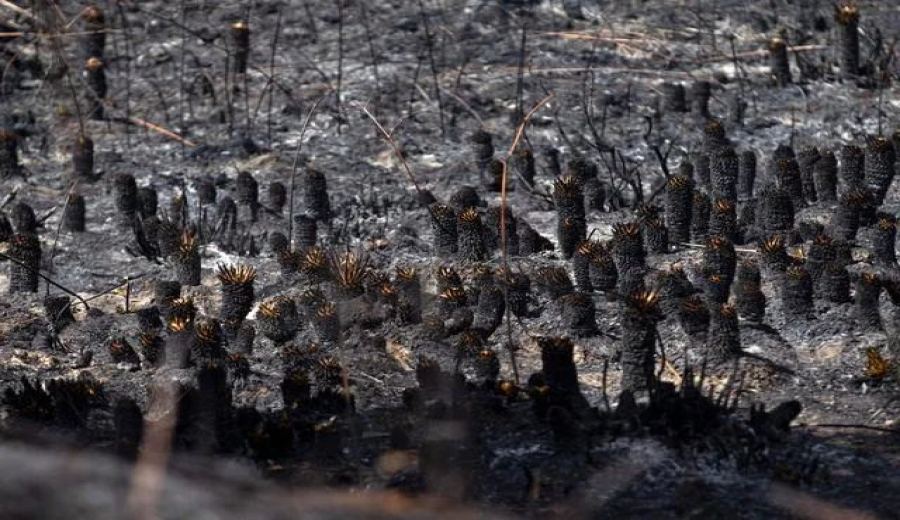
Introduction:In recent months, persistent drought and widespread wildfires in South America have posed severe challenges for Colombia, the world’s third-largest coffee producer. The ongoing fires and water shortages have damaged coffee crops and reduced inventories, further driving up international coffee prices. This article delves into the difficulties faced by Colombia’s coffee industry, examining the potential impact of extreme weather on the supply chain and future price trends.
Several countries across South America are grappling with severe drought and wildfire crises, and Colombia is no exception. Extreme weather persisting for months has led to frequent forest fires and strained water supplies, with the Amazon Basin and southern highlands being the most severely affected. The Cauca Department has experienced its worst wildfires in nearly three decades, devastating large areas of coffee-growing regions and causing significant crop losses.
Nearly 11,000 hectares of land in Colombia have been engulfed by flames, with some affected areas extending across borders into neighboring Ecuador, Peru, and Brazil, indicating a cross-border spread of the disaster.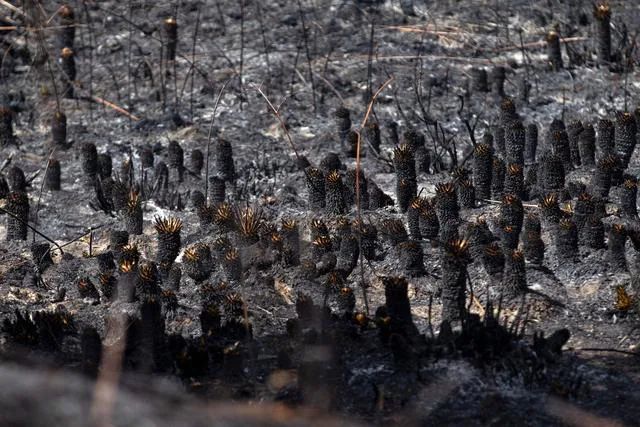
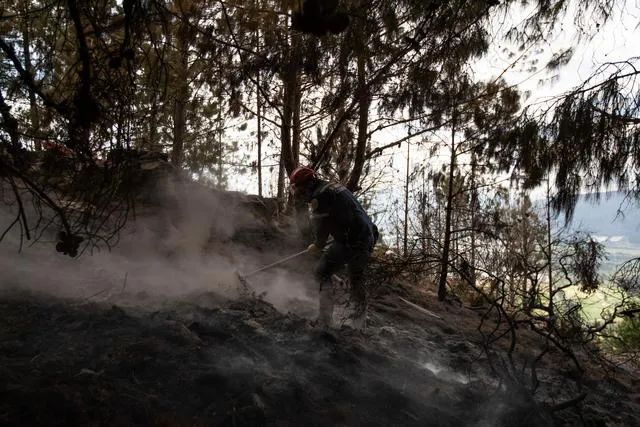
According to Colombia’s National Risk and Disaster Management Agency, serious wildfires have also occurred in central regions such as Tolima and Cundinamarca. In Tolima, the rapidly spreading fires injured two people and caused extensive damage to farmland and forests. The government urgently deployed eight aircraft to combat the blazes. Meanwhile, in the Cajicá area near the capital Bogotá, large swaths of vegetation were burned, and relief efforts are still ongoing.
However, firefighting efforts face major challenges. Local fire authorities report that persistent drought and strong winds have accelerated the spread of the fires, while severe water shortages make it increasingly difficult to bring the flames under control.
Beyond the wildfires, drought also threatens Colombia’s vital water systems. The Amazon River, one of South America’s major rivers, has seen its water levels in Colombia drop dramatically—by 80% to 90%—over the past three months. This has rendered waterways impassable, exposed riverbanks, and created challenges for agricultural irrigation and residential water use.
Experts point out that this wave of disasters is closely linked to the El Niño phenomenon. Since the second half of this year, Colombia has been experiencing its lingering effects, with higher-than-average temperatures and little to no rainfall between August and September. The resulting supply-demand imbalance has led to continuously declining reservoir levels, further intensifying water scarcity—especially in the country’s key coffee-growing regions.
To address the crisis, several Colombian provinces have implemented strict water rationing measures since September. These restrictions, issued by the Water and Basic Sanitation Regulatory Commission (CRA), prioritize domestic and essential hygiene uses, significantly reducing water allocations for agriculture. For coffee cultivation, this is a major blow. Coffee plants require a stable water supply during their growth period, but under water rationing policies, farmers are caught in a dilemma: insufficient irrigation will lead to sharp yield reductions, while violating usage limits may result in fines and increased production costs.
According to statistics from the Colombian Coffee Growers Federation (FNC), the national average monthly coffee production from May to July this year was around 1.1 million bags (60 kg per bag). However, by August, production plummeted to 1.05 million bags—a drop of nearly 100,000 bags. At the same time, national coffee inventory levels fell by 7.2% month-on-month, leaving only 962,000 bags remaining, indicating growing supply-side pressure.
As the world’s third-largest coffee exporter, Colombia’s simultaneous decline in both production and inventory will directly impact global market supply. With demand remaining stable or even increasing, reduced supply is bound to push up coffee bean prices. Additionally, reports from multiple countries indicate that coffee production has also been affected by adverse weather, further exacerbating market uncertainty. It is expected that international coffee prices will continue to fluctuate at high levels in the short term.
In summary, drought and wildfires not only cause immediate damage to Colombia’s coffee-growing regions but also pose potential long-term impacts on the global supply chain. For consumers, this may mean facing higher coffee prices and less reliable supply in the future; for industry stakeholders, it will be crucial to closely monitor climate changes in producing regions and policy adjustments to navigate market volatility.
The above content is compiled by CoffeeHunters, a coffee news website.


