







Introduction:Delve into how Honduras has risen from obscurity to become Central America’s largest coffee-producing country, explore its six renowned coffee-growing regions shaped by diverse terrains, and focus on the bright acidity and vibrant fruity notes characteristic of Montecillos. This article also introduces you to the sustainable farming practices of the century-old Caballero family and how their refined processing methods have earned them repeated accolades in international competitions.
Located in Central America, Honduras has become a globally significant producer of high-quality coffee thanks to its unique geographical conditions—rugged mountain ranges, fertile volcanic soils, and abundant rainfall. Once overshadowed by the prominence of Costa Rica and Panama, the country now firmly holds the crown as Central America’s top coffee producer, with a stable annual output of over 8 million bags of coffee beans.
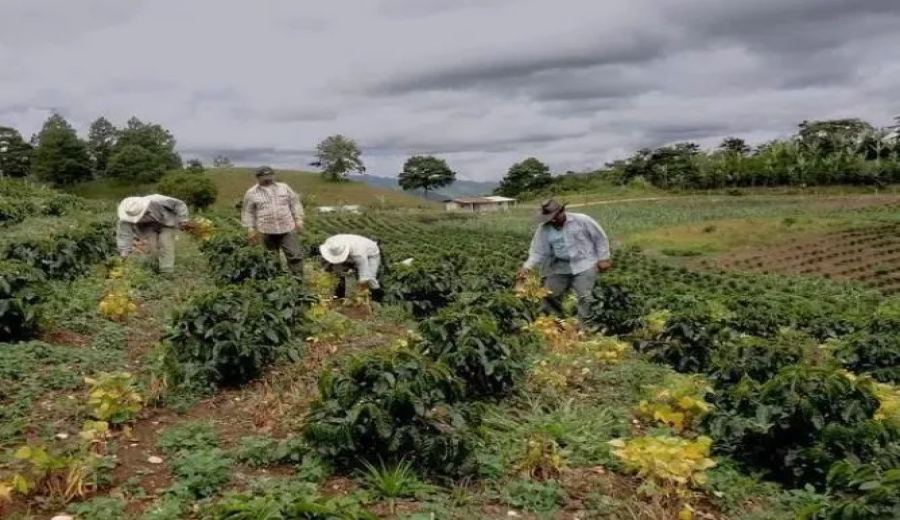
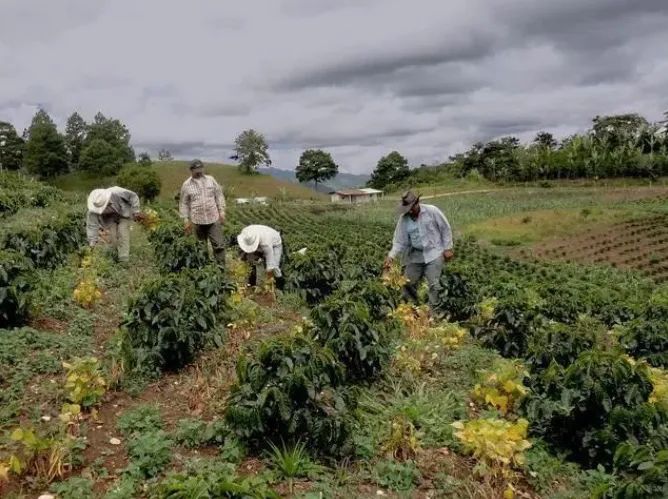
Across the entire countrywith elevations generally ranging from 900 to 1500 meters, the complex terrain creates distinct microclimates, resulting in unique flavor profiles for coffees from different regions.Out of the nation’s approximately 280,000 hectares of coffee-growing land, over 60% is managed by small-scale farmers. These micro-farms, typically no larger than 3.5 hectares, are the source of notable specialty coffees such as La Salsa and El Laurel.
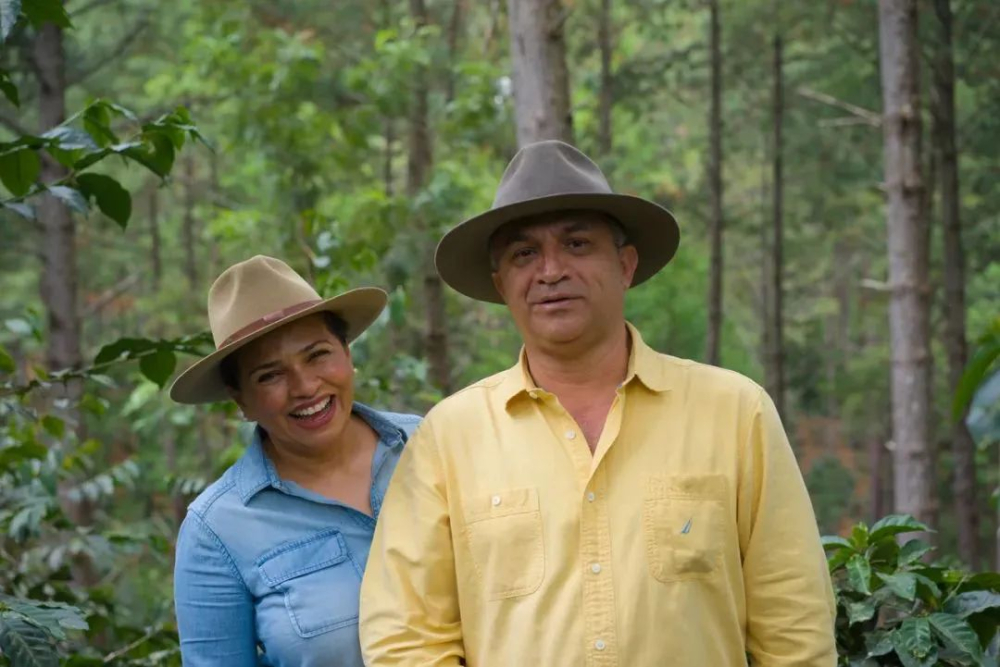
When discussing the history of Honduran coffee, the Caballero family, with over a century of deep involvement, cannot be overlooked. Since engaging in coffee cultivation in the early 20th century, this family has accumulated nearly 120 years of experience, witnessing the industry’s evolution from expansion to a revolution in quality. The current leaders, Marysabel Caballero and her husband, along with their fourth-generation team, continue the premiumization path laid down by the third generation, Fabio Antonio Caballero Martinez, blending traditional farming wisdom with modern agronomic techniques.
According to the zoning standards of the Honduran Coffee Institute (IHCAFE), the country is divided into six distinctive coffee-growing regions:Copán, Opalaca, Montecillos, Comayagua, Agalta Tropical, and El Paraíso. Among these, the Montecillos region spans the borders of four provinces and is characterized by mineral-rich volcanic soils and significant diurnal temperature variations, which contribute to its highly distinctive cup profile.
Focusing on the heart of Montecillos—in the department of La Paz—the area receives an average annual rainfall of1300 to 2300 millimeters, with coffee trees predominantly planted ataltitudes between 1200 and 1700 meters. The exceptional growing environment often imparts to the region’s coffeevibrant lemony notes paired with tropical fruit aromas, complemented by a silky body and long finish, making it a birthplace of multiple winners in Honduras’ Cup of Excellence (COE) competitions. Local farmers further enhance these flavor characteristics through meticulous washed processing and strict control over harvest timing.
The Caballero family owns approximately 200 hectares of collective farmland in Montecillos, spread across 17 estates including El Puente and La Macaria. In addition to adhering to shaded cultivation and organic compost management, they have invested in a dedicated water treatment system to ensure that the washing and fermentation processes do not pollute surrounding water systems.Their variety selection includes Catuai, Geisha, and even the rare Java variety, and through small-batch experimental processing, they continuously explore flavor potential. This commitment to excellence has earned their estates multiple top rankings in international evaluations.
For coffee enthusiasts, understanding the terroir differences among regions can help in selecting beans that match personal taste preferences. For example, those who favor bright fruity acidity may prioritize high-altitude lots from Montecillos, while those seeking balanced and rich flavors might try medium-altitude beans from the Comayagua region. Whether your goal is pour over practice or a dark roast experience, Honduras’ diversity offers a wealth of choices.
The above content is compiled by CoffeeHunters, a coffee news website.


