








Introduction:A Spanish travel vlogger couple complained on social media about paying €4 (about $4.30 USD) for a cup of coffee in Tibet’s Mount Everest Nature Reserve, sparking heated online debate. In reality, the coffee cart only charged 25 RMB (approximately €3 or $3.20), with all items clearly priced. The shop owner personally responded to the incident, detailing the interaction and explaining the challenges of logistics and operations in high-altitude regions. Discover the full story and the real challenges of serving freshly brewed coffee in such an extreme environment.
Recently, a Spanish travel vlogger couple, while cycling through Tibet, China, shared a video on social media criticizing the price of a cup of coffee they bought in the Everest Nature Reserve—allegedly €4 (about 32 RMB). They claimed the price was too high and also mentioned poor conditions of local toilets. The post quickly went viral, drawing widespread skepticism.
The incident took place at an elevation of nearly 5,000 meters in the Everest Nature Reserve, where roads are treacherous and the climate is harsh. All supplies—including drinking water, food, and fuel—must be transported over long distances by manpower or vehicles, resulting in extremely high costs. It is understood that just transporting drinking water from the nearby Gyirong County to the coffee cart’s location at 4,700 meters involves a one-way trip of over 60 kilometers, or 120 kilometers round-trip, making it highly inconvenient.

As the video spread online, the owner of the coffee cart decided to step forward and clarify the truth. He explained that he had driven the cart to the Everest scenic area and parked it at a high-altitude spot with a view of Mount Shishapangma, where he served freshly brewed coffee. The couple in the video ordered an espresso and a cappuccino, both of which were clearly priced at 25 RMB per cup on the menu—not the €4 they claimed.
The owner recalled that the couple did not raise any objections about the price when ordering. The interaction was friendly, and they even took a commemorative photo together. Before leaving, they put up a special sticker on the coffee cart as a keepsake. However, afterward, the couple exaggerated the price in their video, claiming it was €4, leading many viewers to believe that exorbitant prices were being charged in a remote, high-altitude area.

“All my products are clearly priced and displayed on the menu for customers to see. If they feel it’s not worth it, they can choose not to buy.” The owner emphasized that due to the unique location, transportation and storage costs are very high, so the pricing is actually reasonable. He also admitted that he initially didn’t pay much attention to the video, but when he realized the couple had deliberately distorted the price information, potentially misleading viewers, he decided to make his own video to set the record straight.
In fact, operating at an altitude of 4,700 meters poses significant challenges for any business. Beyond the difficulty of transporting supplies, there are also issues related to staff health and equipment maintenance. In high-altitude areas, the thin air means workers tire more quickly, and brewing a single cup of freshly ground coffee takes far more time and effort than it would at lower elevations.
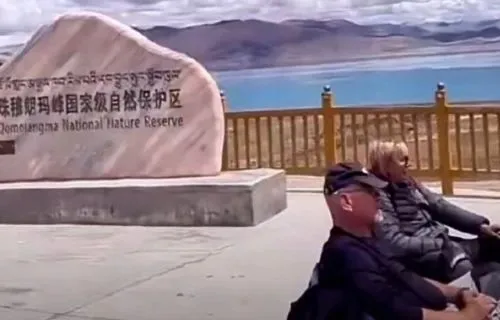
This controversy has also drawn attention to the real difficulties of providing everyday beverages in extreme geographic environments. For travelers who enjoy adventure tourism or tackling high-altitude routes, being able to enjoy a cup of freshly brewed coffee in the Everest Nature Reserve is already a rare experience. Understanding the supply chain and operational challenges behind it allows consumers to view local services and pricing with more empathy.
In the end, aside from clarifying the price misunderstanding, the shop owner also chose to remove the couple’s commemorative sticker, symbolizing a response to the misinformation. This incident serves as a reminder to travelers: while enjoying the scenery, it’s also important to show understanding and respect for the local environment and operational realities.
The above content is compiled by CoffeeHunters, a coffee news website.


