







Introduction:With its high-altitude volcanic soil and exceptional climate conditions, Tanzania produces specialty coffee with a soft mouthfeel and delicate acidity, particularly renowned for the regions surrounding Mount Kilimanjaro. This article delves into the distribution of Tanzania’s nine major coffee-growing regions, their historical development, as well as the bean size-based grading system, and through actual flavor profiles, explores the charm of these pour over beans that offer layers of citrus, berries, and nuts.
Located in East Africa, Tanzania boasts vast highland areas, active volcanoes, and abundant water resources, making it one of the continent’s leading coffee producers. Its coffee is celebrated for its rich yet balanced flavor, earning it the title “Gentleman of Coffee.” From geography and climate to historical background, this article provides a comprehensive analysis of how Tanzania became an important origin for specialty coffee, with a focus on the iconic Kilimanjaro region to explore its cultivation advantages and unique flavor characteristics.
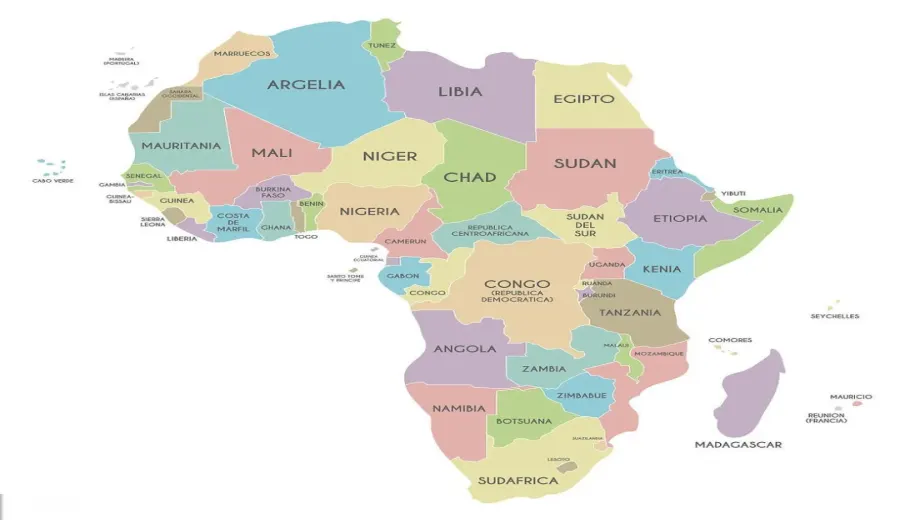
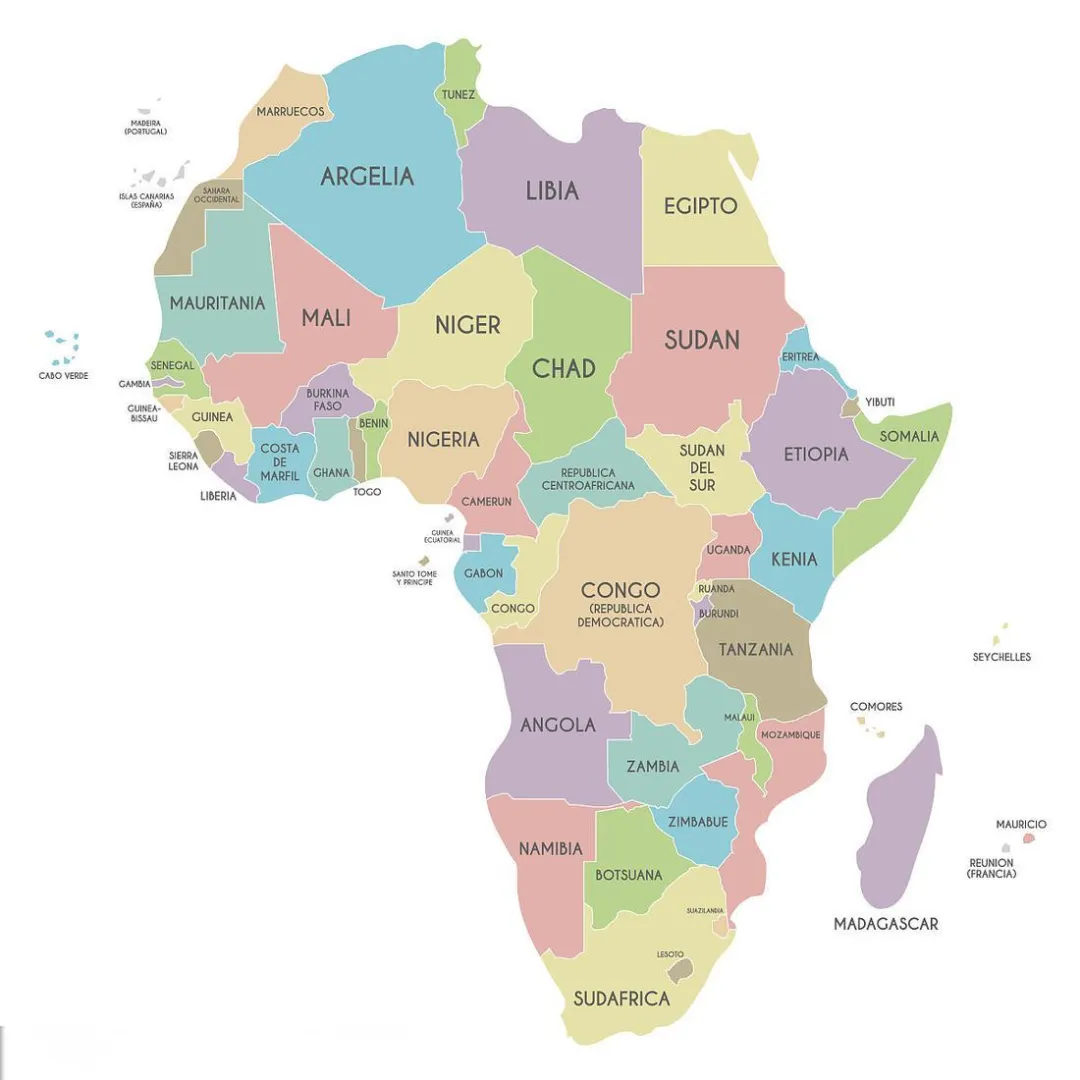
Although Africa is the world’s second-largest continent, over 60% of its land consists of plateaus, hence it is also known as the “Plateau Continent.” The East African region is one of the highest-altitude areas in Africa, with many locations exceeding 1,000 meters above sea level, and is traversed by the East African Rift, which brings abundant volcanic and lake resources. This topography and tropical highland climate create a natural environment ideal for coffee cultivation. In addition to Tanzania, countries such as Ethiopia, Kenya, and Rwanda are also renowned for producing high-quality coffee.
Tanzania’s terrain generally slopes from high in the northwest to low in the southeast, with coastal plains in the southeast and mainly plateau landscapes in the west. The East African Rift extends northward from Lake Malawi and splits into eastern and western branches within Tanzania, one of which passes by Mount Kilimanjaro, Africa’s highest peak. This volcano consists of three extinct volcanoes—Kibo, Mawenzi, and Shira—and is not only a symbol of Tanzania but also a globally renowned coffee-growing sanctuary.
Situated near the equator, Tanzania has a predominantly tropical climate, but due to significant topographical differences, it features diverse climate types. The eastern coastal and low-altitude areas have a tropical savanna climate with relatively high temperatures, while the western highland regions experience a tropical mountain climate, with year-round average temperatures between 21 and 26 degrees Celsius and substantial day-night temperature variations, making it highly suitable for coffee tree growth. Additionally, although overall rainfall is relatively low nationwide, the country has numerous rivers and three of Africa’s major lakes, ensuring stable water supply. Coupled with high altitude and fertile volcanic soil, these factors together form the optimal production conditions for high-quality Tanzanian coffee.
Currently, Tanzania is divided into nine major coffee-growing regions, including Kilimanjaro, Arusha, Ruvuma, Mbeya, Tarime, and Kigoma, most of which are located in highland and volcanic zones around the country’s borders. Among them, the areas adjacent to Mount Kilimanjaro are the most famous, not only for their excellent altitude conditions but also for their long-standing cultivation history.
The history of coffee cultivation in Tanzania dates back to the German colonial period in the 19th century. Coffee was first introduced and planted in the northern Bukoba region, but initial development was hindered due to conflicts with local residents. Planting gradually expanded but remained primarily in the north. After Tanzania gained independence, the government actively promoted reforms in the coffee industry, but coffee leaf rust disease caused a sharp decline in production, prompting a gradual shift of cultivation focus southward and eastward, allowing more premium growing regions to emerge.
Among the many regions, Kilimanjaro, Arusha, and Oldeani are all located near Mount Kilimanjaro. As Africa’s highest peak, Mount Kilimanjaro has snow-capped summits year-round, and its coffee-growing belt at the foot of the mountain is distributed between 1,050 and 2,500 meters above sea level. The high altitude not only slows the ripening process of coffee cherries but also promotes the accumulation of flavor compounds. Combined with mineral-rich volcanic soil and clean water from high-altitude snowmelt, this region produces coffee with unique flavors and high quality.
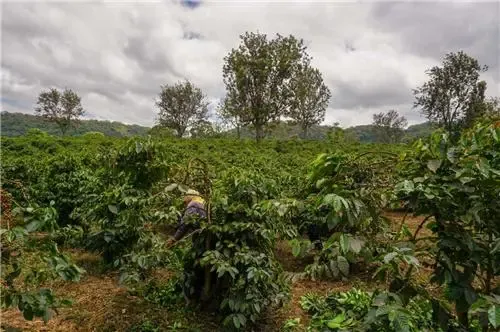
Tanzania’s coffee grading system is similar to that of neighboring Kenya, primarily based on the screening size of green beans. During the grading process, green beans are passed through sieves of varying mesh sizes—the larger the sieve number, the bigger the bean size, usually indicating a higher grade and more uniform quality. This grading method helps ensure stability during roasting and consistency in extraction.
Based on actual tasting experiences, Tanzanian coffee often exhibits a gentle acidity rather than the intense and bright acidity found in neighboring countries like Kenya or Rwanda. For example, washed Typica variety beans from the Kilimanjaro region typically showcase a refreshing profile of citrus and berries, accompanied by honey-like sweetness and a nutty aftertaste. The overall mouthfeel leans toward a tea-like sensation, with distinct layers and excellent balance. This flavor combination allows Tanzanian coffee to display its unique personality and charm, whether in single-origin pour over or premium blends.
The above content is compiled by CoffeeHunters, a coffee news website.


