







Introduction:As one of the world’s major suppliers of Robusta coffee, Vietnam has recently been hit by a double whammy of extreme weather. Early in the year, drought led to poor flowering of coffee trees, followed by heavy rainfall caused by consecutive tropical storms, with the Mekong Delta region now facing the threat of flooding. The deteriorating growing environment, coupled with some farmers switching to high-value crops such as durian, has further tightened the supply of Robusta for the new season, with prices expected to remain high through early 2025.
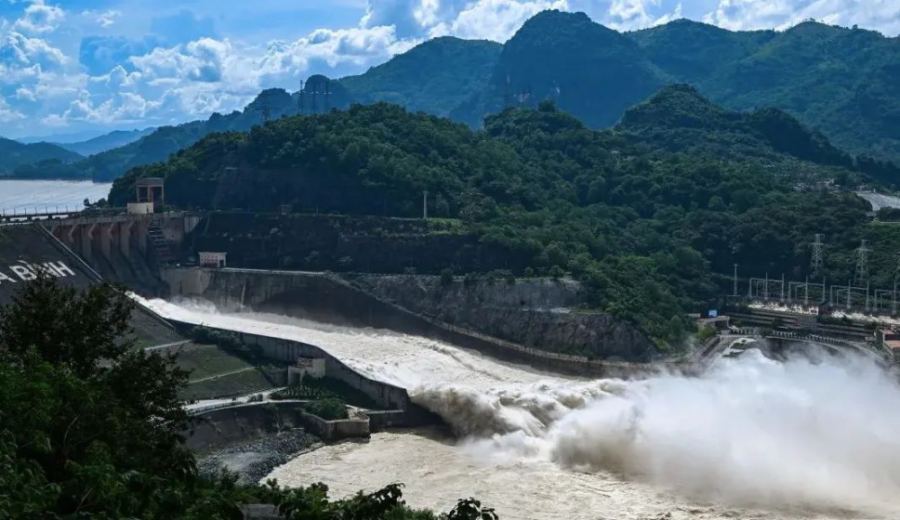
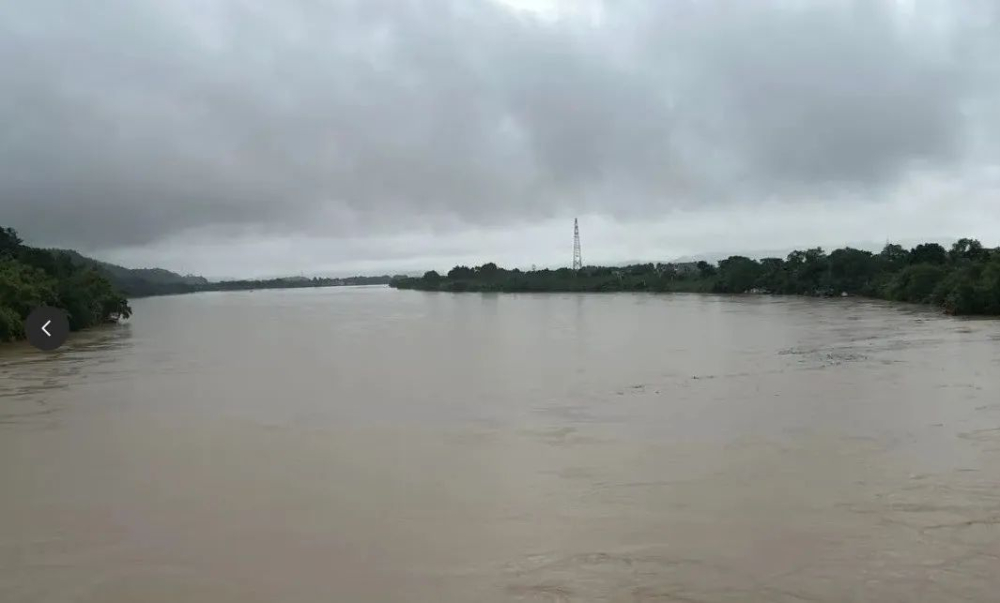
Vietnam holds a pivotal position in the global production and sales landscape of Robusta coffee, but this year its coffee-growing regions have faced successive challenges from extreme weather. The drought at the beginning of the year resulted in suboptimal flowering of coffee trees, affecting fruit set rates, while the torrential rains brought by two consecutive tropical storms in recent times have rapidly raised water levels upstream in the Mekong River, posing potential threats to low-lying coffee plantations downstream.
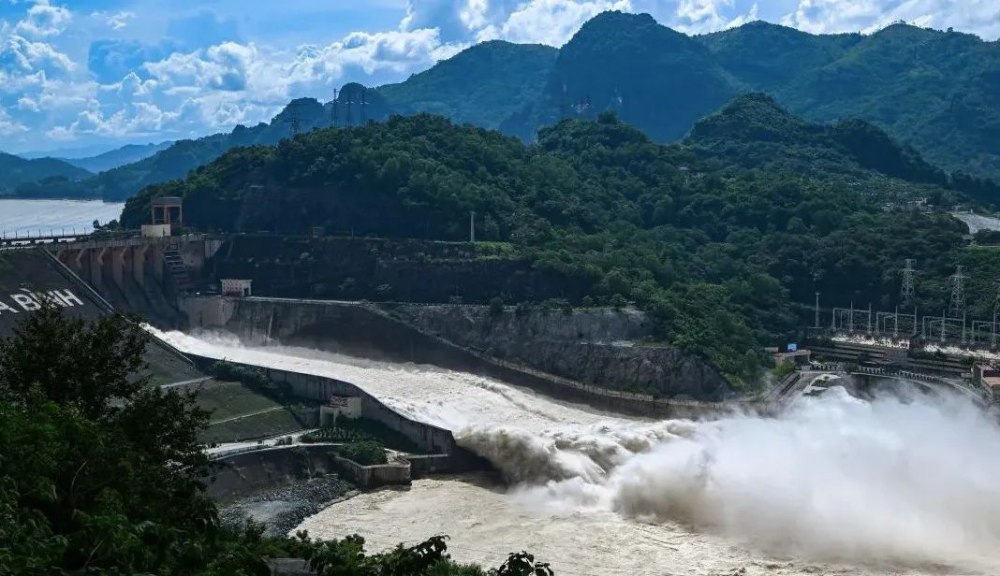
The National Centre for Hydro-Meteorological Forecasting of Vietnam stated that the flood peak in the upper Mekong River is rising rapidly, and in the coming days, due to the combined effect of upstream inflows and astronomical tides, water levels will continue to climb. In particular, the Mekong Delta region, which includes several key coffee-growing areas, has been placed under flood alert, while risks such as landslides in mountainous areas and dam breaches also need to be closely monitored.
Southern and western Vietnam are the main growing regions for Robusta coffee, where harvesting normally begins around October each year. However, the persistent drought this year has not only led to severe soil moisture deficits but also caused many coffee trees to exhibit yellowing and shedding of leaves, with some even experiencing partial dieback. Even though September passed without direct storm damage, the subsequent heavy rainfall still knocked down some coffee cherries, making yield reduction an established fact.
The Buon Ma Thuot Coffee Association in Vietnam pointed out that the dual impact of extreme climate and shrinking cultivation areas is expected to reduce Vietnam’s total Robusta output for the 2024/25 season by approximately 10% to 15%. Not only has the overall volume of fresh cherries declined, but the drought has also affected fruit plumpness and bean size, further lowering per-unit output value.
Meanwhile, Vietnam has seen impressive performance in fruit exports in recent years, particularly with a surge in international demand for durian. According to official Vietnamese statistics, durian export revenue in the first eight months of 2024 has approached $1.82 billion, representing a year-on-year growth rate of 45%, with predictions that the annual figure could exceed $3.5 billion. As the economic returns of crops like durian far surpass those of coffee, more and more farmers are opting to switch to these high-profit cash crops, leading to a year-by-year decline in coffee cultivation areas.
In addition, tropical storms have also damaged Vietnam’s major port infrastructure, with some terminal operations being completely suspended at one point, storage containers damaged or lost due to the storm, and large volumes of goods stranded in port areas, severely impacting export logistics efficiency. Even earlier, there were reports of serious container theft incidents, further eroding international buyers’ confidence in Vietnam’s supply chain and challenging the export competitiveness of Vietnamese coffee.
International trading firm Volcafe analyzed that the reduction in Vietnam’s output will lead to the fourth consecutive year of supply shortages in the global Robusta coffee market for the 2024/25 season. Even though Indonesia, another major Robusta-producing country, is forecasted to produce up to 10 million bags in 2024/25, a 14% year-on-year increase, its exportable volume is only about 250,000 metric tons due to rapidly growing domestic coffee consumption, which is flat compared to last year or may even decline.
The tightening supply situation has already driven up the futures price of Robusta coffee, with the current quoted price reaching a high of $5,311 per ton. The industry generally expects that under the combined effect of the current numerous adverse factors, the high-price trend of Robusta will continue until early 2025.
The above content is compiled by CoffeeHunters, a coffee news website.


