







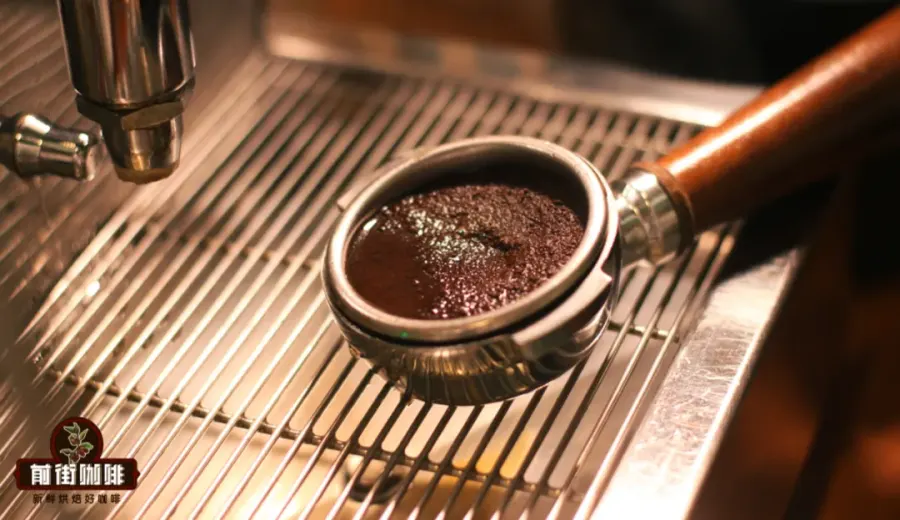
Introduction:When brewing espresso, have you ever noticed that after removing the portafilter, there’s a lot of hot water left in the portafilter basket, with the coffee puck appearing wet and loose? This not only affects the stability of coffee quality but also makes troubleshooting more difficult. This article delves into the three key causes of portafilter water retention—excessively fine grind size impeding water flow, insufficient coffee dose increasing the distance between puck and shower screen, and unstable pressure in home machines weakening backflush suction. By combining the principles of espresso extraction with practical operational details, it provides clear diagnostic directions and adjustment strategies to help you quickly identify the root cause and optimize your extraction performance.
During the espresso brewing process, you may occasionally find that when you remove the portafilter, there is quite a bit of hot water left in the basket, with the coffee puck appearing damp or even falling apart. This not only impacts the consistency of each cup of coffee but also makes it hard to accurately pinpoint where the issue lies. In reality, this phenomenon is mainly due to three common factors: an overly fine grind size that restricts water flow through the coffee bed, insufficient coffee dose leading to a larger gap between the puck and the shower screen, and unstable pressure in some home espresso machines that weakens the backflush effect. Understanding these causes, along with some practical adjustment methods, can help coffee enthusiasts quickly identify problems and improve overall flow rate and puck condition.
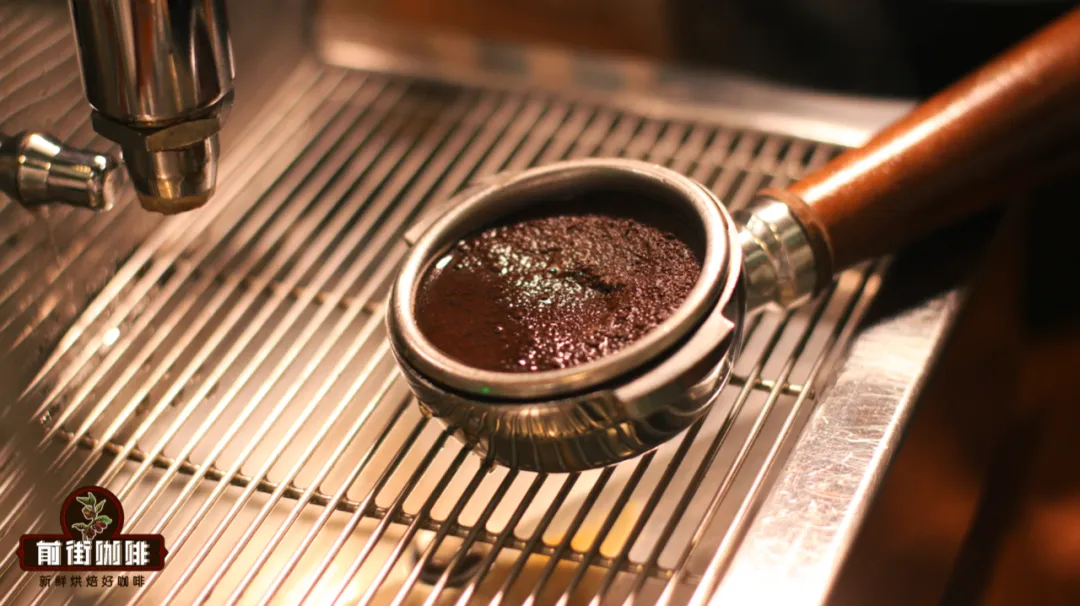
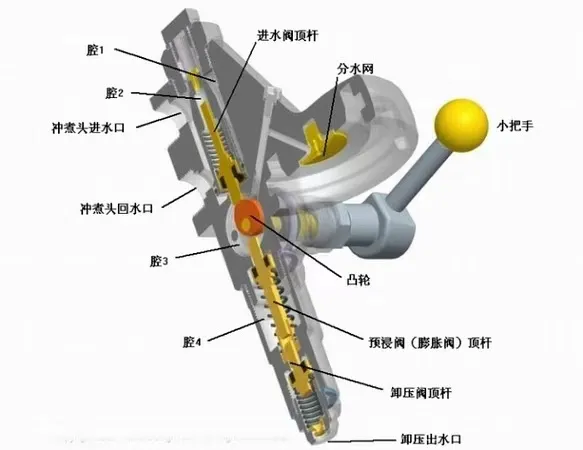
Although the resulting espresso may not always be undrinkable, the likelihood of issues occurring is indeed quite high. Therefore, the key is to identify the real problem and make timely adjustments. First, let’s briefly review the basic operation of an espresso machine: when you lock in the portafilter and start the extraction, the machine pushes hot water through the coffee puck at a certain pressure to complete the extraction. When the extraction is finished and you turn off the button, the internal pressure relief valve opens, creating a reverse pressure that attempts to “backflush” and expel excess water from the portafilter.
Once you notice significant water retention in the portafilter, it means the machine failed to fully extract the remaining water from the basket. As a result, when you remove the portafilter, you’ll see a lot of liquid left inside. There are three main reasons for this water retention, with the first two being the more common issues: an overly fine grind size and insufficient coffee dose.
Overly Fine Grind Size
When coffee is ground too finely, the speed at which hot water passes through the coffee bed slows down noticeably. This is because smaller coffee particles reduce the gaps between them, making the pathways for water flow much narrower. If the grind is too fine, you might even see the coffee dripping out slowly rather than flowing smoothly during extraction.
In this state, after extraction, a large amount of hot water often remains trapped in the portafilter. Due to the tiny gaps between particles, much of the water cannot pass through the puck once the pressure is released, and the backflush process fails to fully remove this residual moisture. Ultimately, this leads to noticeable water retention when you take out the portafilter. Additionally, the puck, being overly saturated, becomes structurally unstable and can easily crumble with a light tap. In other words, the finer the coffee is ground, the more likely water retention becomes; if you notice water in the portafilter, consider checking the extraction time—it can help determine whether an overly fine grind is the culprit.
Insufficient Coffee Dose
Each portafilter basket has a recommended range for the optimal amount of coffee based on its design capacity. If the actual amount of coffee used is significantly below the basket’s suggested dose, the overall thickness of the puck will be inadequate, causing the distance between the puck and the shower screen to increase.
When the gap between the puck and the shower screen is too large, it not only makes extraction more difficult but also reduces the shower screen’s ability to effectively draw out excess water from the portafilter during the pressure release phase. With more residual water left behind, the backflush effect is naturally limited, leading to water retention. Therefore, it’s recommended to keep the coffee dose within a small range around the basket’s suggested amount to ensure proper contact distance between the puck and the shower screen.
Insufficient Pressure
Pressure-related issues are relatively common in some home espresso machines, as many models do not deliver stable pressure output. Some machines may start with high pressure during extraction, but the pressure drops noticeably shortly after, showing pressure fluctuations similar to a roller coaster. The level of pressure directly affects the strength of the backflush suction—lower pressure results in weaker suction, which naturally fails to fully remove water from the portafilter.
Additionally, the pressure of an espresso machine is often unstable right after startup. However, this is normal; simply allowing the machine to preheat for 20 to 30 minutes usually stabilizes the pressure, thereby improving the reliability and consistency of subsequent extractions.
The above content is compiled by CoffeeHunters, a coffee news website.


