







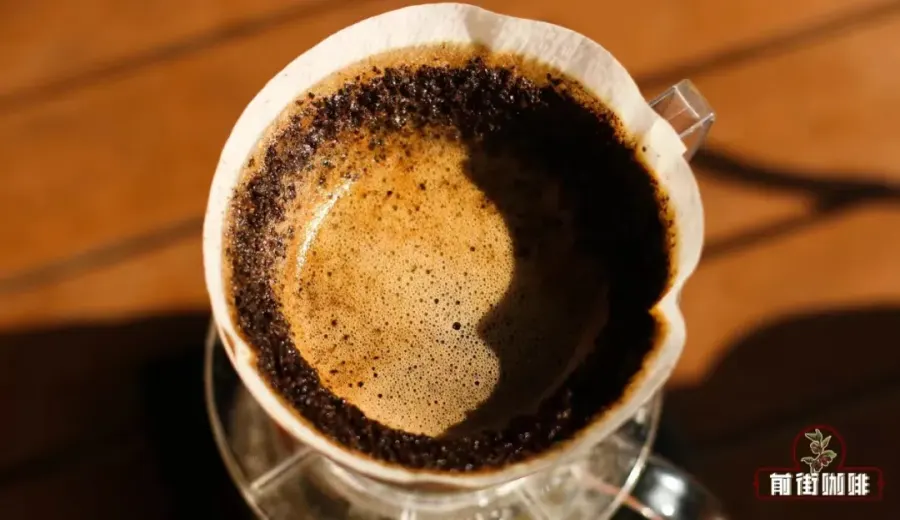
Introduction:Many coffee enthusiasts wonder: since tea leaves can be brewed multiple times, why can’t coffee grounds? Although about 30% of coffee beans consist of soluble flavor compounds — theoretically allowing for multiple extractions — in practice, multiple brews often result in weak and off-flavored coffee. This article delves into extraction rates and the sequence of flavor release to explain why pour over and drip bags are generally recommended for single use only, helping you better understand how to brew coffee at its best.
Both coffee and tea are beverages that extract flavor compounds through water. Tea can be brewed repeatedly, so can coffee grounds be brewed multiple times as well? In terms of composition, about 70% of coffee beans are woody fibers, with the remaining 30% being water-soluble substances — the main sources of coffee flavor. Theoretically, as long as you keep pouring water, coffee grounds can indeed continue to release taste. But in actual practice, multiple extractions often yield weak coffee with off-flavors. Why is that?
Whether you’re using a pour over kettle, a French press, or a drip bag, typically, we use a single portion of coffee grounds for one extraction. After extraction, the coffee grounds left in the filter or filter bag are usually discarded. This leaves many beginners wondering: why not brew it multiple times like tea?
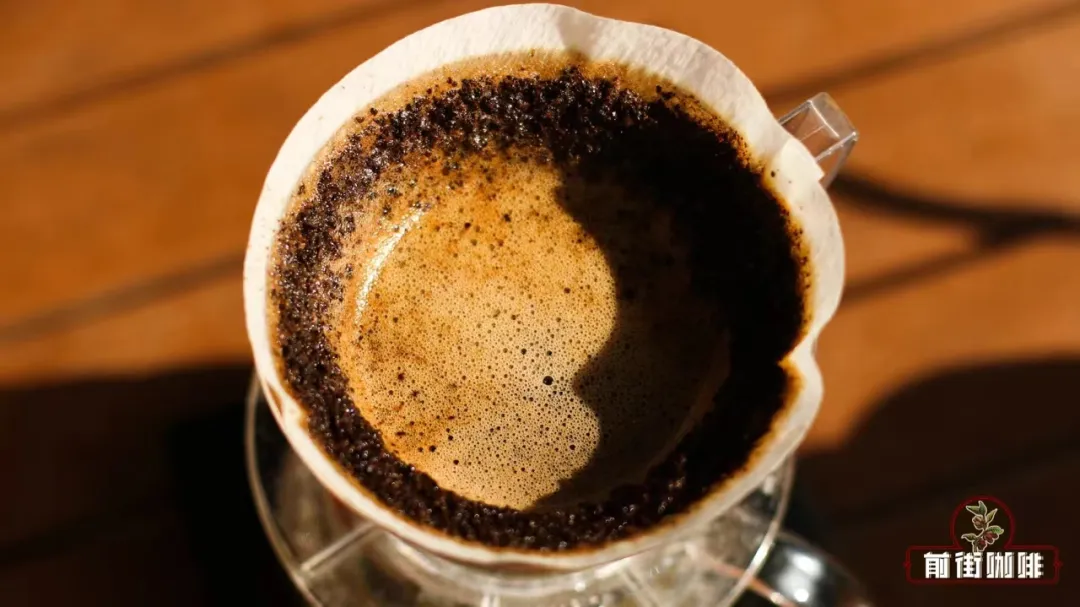
In fact, coffee grounds can indeed release flavor multiple times, especially if you extend the steeping time or add more water. However, the first standard extraction already draws out most of the sweet and acidic essences — mainly small, water-soluble acidic and sweet compounds. As extraction time lengthens or the number of brews increases, what follows is mostly larger, bitter-tasting compounds, and even undesirable flavors from woody fibers.
Generally speaking, a well-extracted cup of coffee has an extraction rate between 18% and 22% . This range balances acidity, sweetness, bitterness, and saltiness, delivering the optimal flavor profile. Especially for light-roasted coffee beans, their bright fruity acidity and rich layers are achieved thanks to careful control within this extraction range. Once the extraction exceeds 22%, excessive bitterness and unwanted off-flavors are likely to emerge, compromising the overall taste.
Although around 30% of a coffee bean is made up of soluble substances, they are released in a specific order: first the acidic compounds, then the sweet ones, and finally the bitter and undesirable off-flavors. After a standard extraction, most of the pleasant acidic and sweet components have already been dissolved. What remains is not only lower in concentration but may also bring about unpleasant tastes, such as astringency or woody notes. This is why mixing second or further extractions into the main brew often leads to an unbalanced, muddled, or even undrinkable cup.
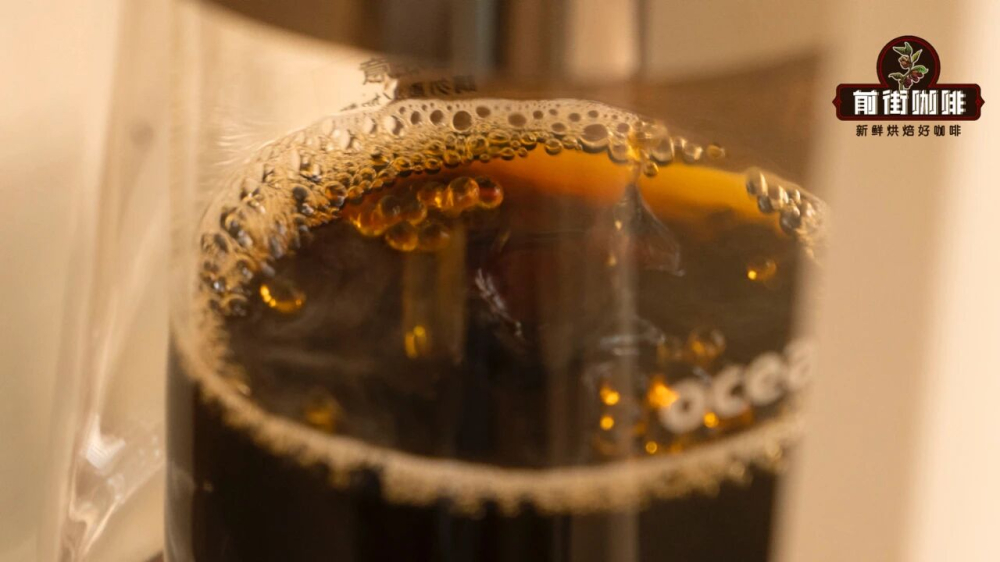
Some coffee lovers might try “second infusion” or “refill-style extraction,” such as adding more water to the same batch of coffee grounds to produce more brew. However, practical tests show that such coffee is often overly diluted, lacking the desired flavor intensity, and prone to unpleasant off-notes. Drinking such secondary extraction alone often results in a flat, uninspired taste, sometimes with an unwelcome aftertaste.
Additionally, pour over and drip bags are designed with an emphasis on “precise single extraction.” Excessive water contact or prolonged brewing time can easily lead to over-extraction, making the coffee bitter and astringent. Drip bags, in particular, are designed for single use — both the filter material and the coffee-to-water ratio are optimized for one-time brewing. Reusing them not only makes it hard to control parameters but also difficult to maintain consistent flavor.
In short, multiple extractions of coffee grounds are not recommended mainly because the first brew already extracts the vast majority of the enjoyable, high-quality flavor compounds, while the remaining substances are not only minimal but may also introduce negative flavors. To enjoy a balanced and layered cup of coffee, it’s best to stick to the principle of single extraction — focusing on controlling the coffee-to-water ratio, water temperature, and brewing time — in order to fully realize the potential of your coffee beans.
The above content is compiled by CoffeeHunters, a coffee news website.


