







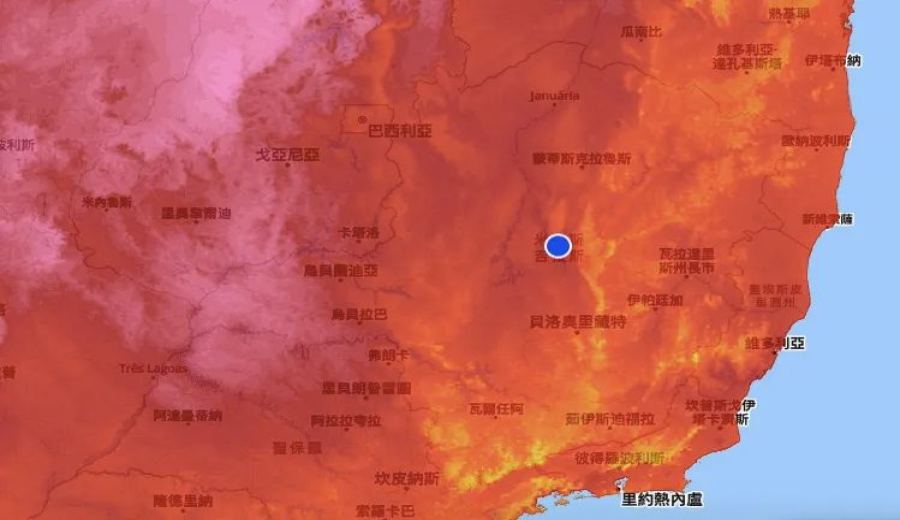
Introduction:Brazil is experiencing its worst drought in 70 years, with major coffee-producing regions São Paulo and Minas Gerais hit particularly hard. Wildfires have ravaged coffee plantations, causing severe damage, with agricultural losses estimated at over 20 billion Brazilian reais. Although August saw a record-high volume of coffee exports, ongoing drought and extreme weather continue to threaten future harvests. This article provides an in-depth analysis of the drought’s comprehensive impact on Brazil’s coffee industry and explores price trends and regional developments.
Brazil is currently facing its most severe drought challenge in 70 years, especially in its key coffee-growing states of São Paulo and Minas Gerais, where the damage is particularly grave. Wildfires have become frequent, devastating numerous coffee farms, with some estates losing nearly half of their yield. According to estimates from São Paulo’s Department of Agriculture, overall agricultural losses have surpassed 20 billion reais. Notably, despite the regional damage, Brazil’s coffee exports hit a historic high in August, driven largely by the upcoming implementation of the EU’s EUDR regulation, which prompted traders to stock up in advance. Rabobank predicts that coffee prices will remain high until the end of the year, while production for the next season remains highly uncertain.
According to local Brazilian media reports, recent extreme drought conditions have triggered frequent forest fires, causing significant destruction. Although a brief respite was brought by a cold front moving through the south, easing the heat and dryness in southern Brazil, the cold front quickly weakened, and temperatures began to climb again. Currently, temperatures in some central parts of Brazil still reach as high as 40°C. Data from the National Meteorological Institute (Inmet) indicates that air humidity remains low across most regions, with conditions particularly severe in northern São Paulo, western and northeastern Minas Gerais. As the hot and dry weather returns, air quality in southeastern areas such as São Paulo and Rio de Janeiro may also deteriorate again.
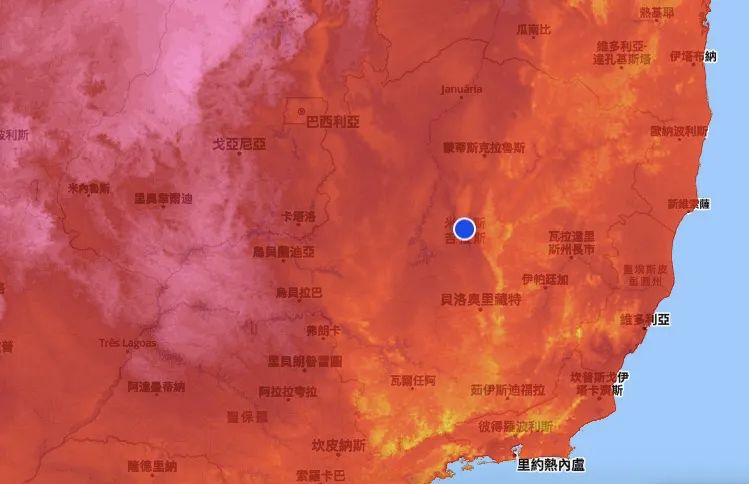
While fires in some areas have been brought under control, the impact of drought and wildfires on Brazil’s coffee cultivation remains profound. In São Paulo, a major coffee-producing state, wildfires have burned approximately 600 hectares of land, including large swaths of coffee plantations. Local farmers report that their estates have lost around 8,000 to 10,000 coffee trees, with expected yields of 500 to 600 bags of beans reduced by half—the rest consumed by the flames. The Secretary of Agriculture of São Paulo emphasized that the fires primarily affected sugarcane fields, coffee plantations, and livestock farms, while secondary disasters such as smoke will continue to impact agricultural production, with total losses estimated to exceed 20 billion reais.
Meanwhile, prolonged drought continues to erode Brazil’s coffee industry. In the important growing region of Minas Gerais, many areas have gone without rain for 167 consecutive days, leading to the drying up of renowned waterfalls, with the capital region of Brasília also affected. Earlier wildfires that spread from São Paulo also reached Brasília and Mato Grosso, destroying large areas of farmland and woodland. Approximately 20% of Brasília National Park (around 7,700 hectares) was engulfed in flames, with the fire at one point approaching the federal São Maria Reservoir, posing a serious threat to the water supply security of surrounding areas.
The nationwide severe drought has led to a sharp drop in water levels of major rivers, continuous wildfires across the country, worsening environmental pollution, and significant crop reductions. Brazil’s National Center for Monitoring and Early Warning of Natural Disasters has clearly stated that this drought is the worst in the past 70 years, affecting about 59% of the country’s land area (equivalent to 5 million square kilometers).
Researchers have analyzed that Brazil’s current severe drought is closely linked to climate change and the El Niño phenomenon. The El Niño effect, which began last July, combined with abnormally high sea surface temperatures in the tropical North Atlantic, has continuously disrupted Brazil’s climate patterns in the first half of this year, altering atmospheric circulation routes, suppressing cloud formation, and causing rainfall to gradually decline. Experts warn that the situation remains grim, with some believing that Brazil’s drought may not ease before 2025, and the agricultural outlook will continue to face severe challenges.
According to data from the Brazilian Coffee Exporters Association (Cecafé), Brazil exported 3.733 million bags (each 60 kg) of coffee in August, setting a new historical record for August exports. Export revenue also reached 955.6 million US dollars, with the transaction volume increasing slightly by 0.7%, but foreign exchange earnings surging by 31%. From January to August 2024, Brazil’s cumulative coffee exports amounted to 31.892 million bags, a substantial increase of 39.2% compared to the 22.915 million bags during the same period last year—even achieving strong results despite higher port delay rates.
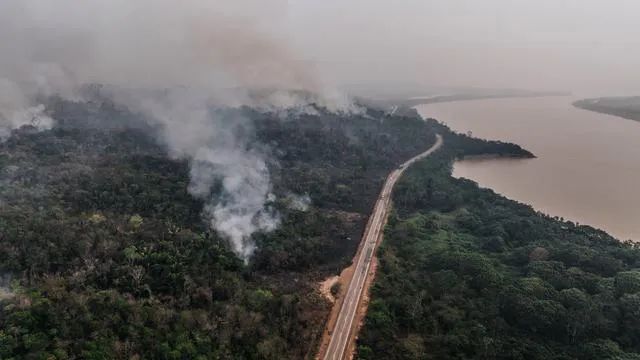
The strong export performance is mainly driven by the EU’s upcoming EUDR regulation on deforestation-free products, set to take effect on December 31, prompting European traders to ramp up purchases in advance to ensure sufficient inventory after the regulation comes into force. Although the Brazilian government previously attempted to request a delay in the EUDR’s implementation from the EU, no response has been received so far. Rabobank analysis points out that due to the interplay of multiple factors, coffee prices are expected to remain high until the end of 2024, while Brazil’s ongoing drought makes production forecasts for the next season highly variable—an important unstable factor influencing future coffee prices.
The above content is compiled by CoffeeHunters, a coffee news website.


