







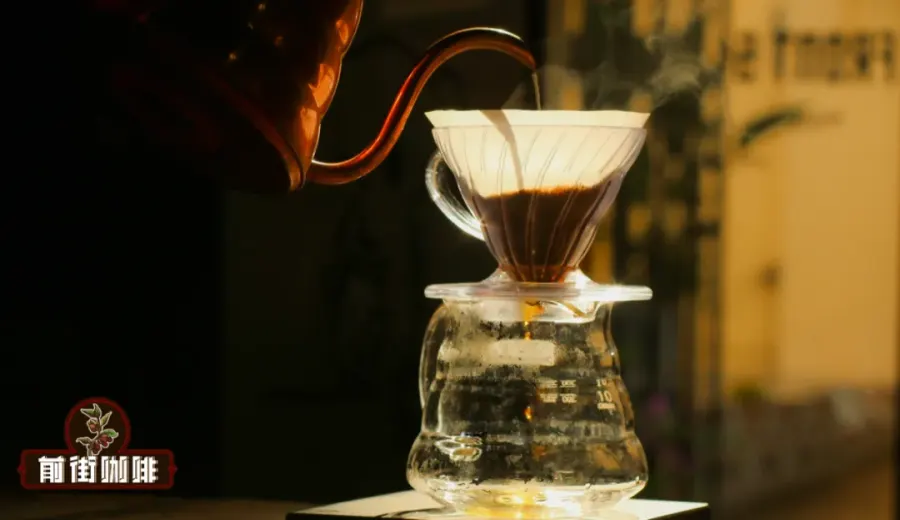
Introduction:Have you ever encountered issues with your pour over coffee tasting weak or under-extracted? Beyond grind size, water temperature, and brew time, bypass water is actually a commonly overlooked key factor. This article delves into the causes of bypass water, how filter design can help mitigate it, and analyzes whether so-called "zero-bypass filters" can truly solve extraction problems—helping you refine your technique to brew richer, more layered coffee.
During the pour over process, many factors can influence the final flavor profile, and excessive bypass water is a common yet often ignored issue. Bypass water refers to hot water that, during brewing, does not fully interact with the coffee grounds and instead flows directly through the gaps between the filter and the brewer. This portion of water extracts none of the coffee’s flavorful compounds, instead diluting the overall concentration and resulting in a flat-tasting cup.
Sometimes we deliberately use bypass water to adjust the strength of espresso-based drinks, such as when making Americanos or using Japanese brewing methods. But in standard pour over scenarios, bypass water is not what we aim for. If not properly controlled, it can significantly reduce extraction efficiency, leaving the coffee both lacking in flavor and thin in body. Therefore, understanding the causes of bypass water can help you improve your brewing skills and produce better-tasting pour over coffee.
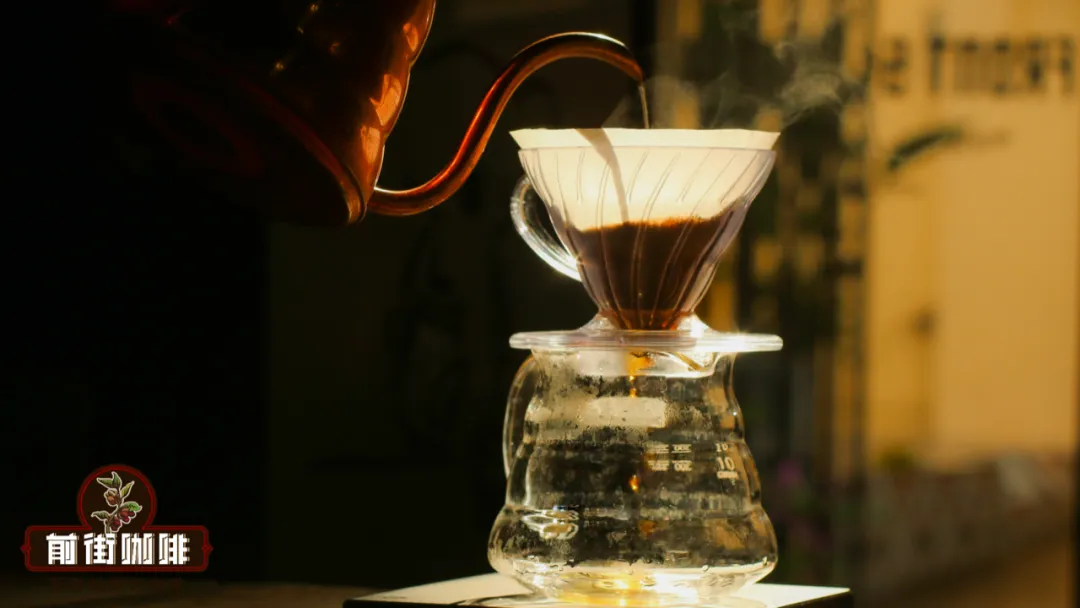
First, let’s clarify what bypass water is. During pour over extraction, we use hot water as a solvent to dissolve aromatic and sweet-acidic compounds from the coffee grounds. To achieve good extraction, the water needs to evenly penetrate the coffee bed and make full contact with each coffee particle. However, in practice, due to various reasons, some of the water fails to effectively interact with the coffee grounds and instead flows down through the gaps between the filter and the filter holder, directly entering the brewer—this is the bypass water.
This bypass water carries insufficient coffee solids but increases the total liquid volume, thereby diluting the overall concentration and flavor intensity of the coffee. Especially in specialty pour overs where balance and layering are pursued, excessive bypass water is often a hidden culprit behind subpar flavor.
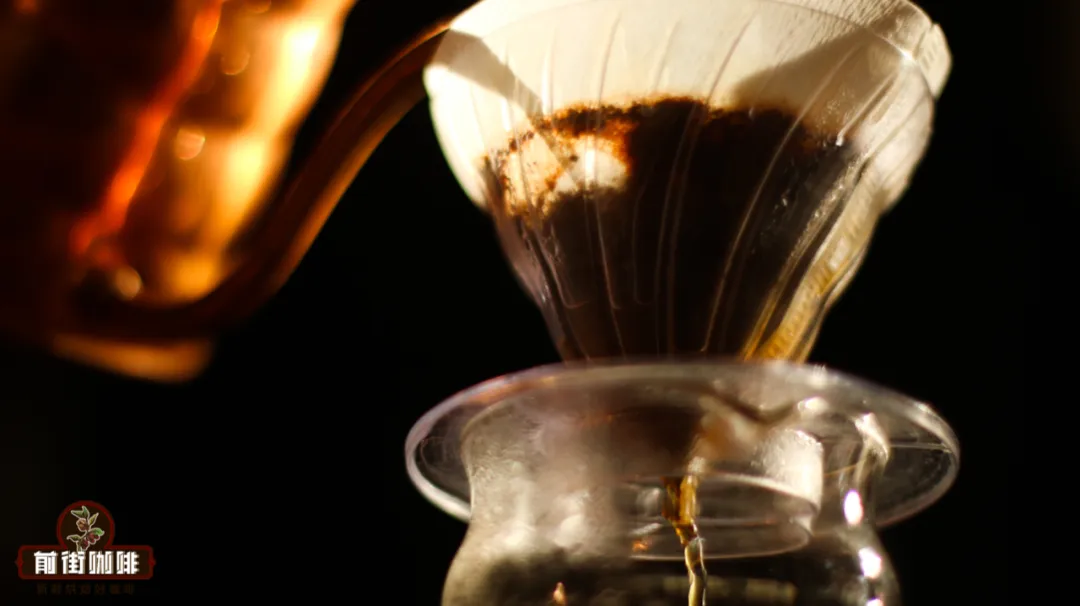
So, how exactly is bypass water generated? The main reasons can be summarized into two: the structural design of the filter and the brewing technique. Take the common V60 filter as an example: to allow the hot water to contact the coffee grounds more broadly, its design typically includes multiple raised flow-guiding ribs. These ribs are meant to guide the water along the walls of the filter, increasing the contact area with the coffee grounds.
However, it is these very ribs that lift the filter paper, preventing it from fully adhering to the inner wall of the filter, thus creating small gaps between the filter paper and the metal walls. When pouring water, if the distribution is uneven or excessive, the water can easily flow through these uncovered areas of the filter paper, passing directly through into the brewer and forming bypass water.
Additionally, if the pouring flow is too forceful or concentrated on the edges of the filter, it can also cause the water to pass through without proper extraction, further increasing the proportion of bypass water. Therefore, not only the filter design but also the control of water flow during brewing is a critical factor.

To reduce the generation of bypass water, you can start by controlling the amount and position of water poured. It is recommended to focus the water flow toward the center of the coffee bed during brewing, avoiding direct flushing of the filter paper at the edges. At the same time, be mindful of the total amount poured each time to prevent the filter from filling up too quickly, which can lead to uneven penetration and overflow into the edge gaps.
Another effective strategy is to choose brewing devices with different filter structures. Currently, some filters on the market are marketed as “zero-bypass” or “low-bypass,” often featuring minimal or no prominent flow ribs, or designs that allow the filter paper to adhere tightly to the walls, significantly reducing the gap between the filter paper and the metal. This way, even if the water flow skews outward during pouring, bypass water is less likely to form, helping to improve the stability and consistency of extraction.
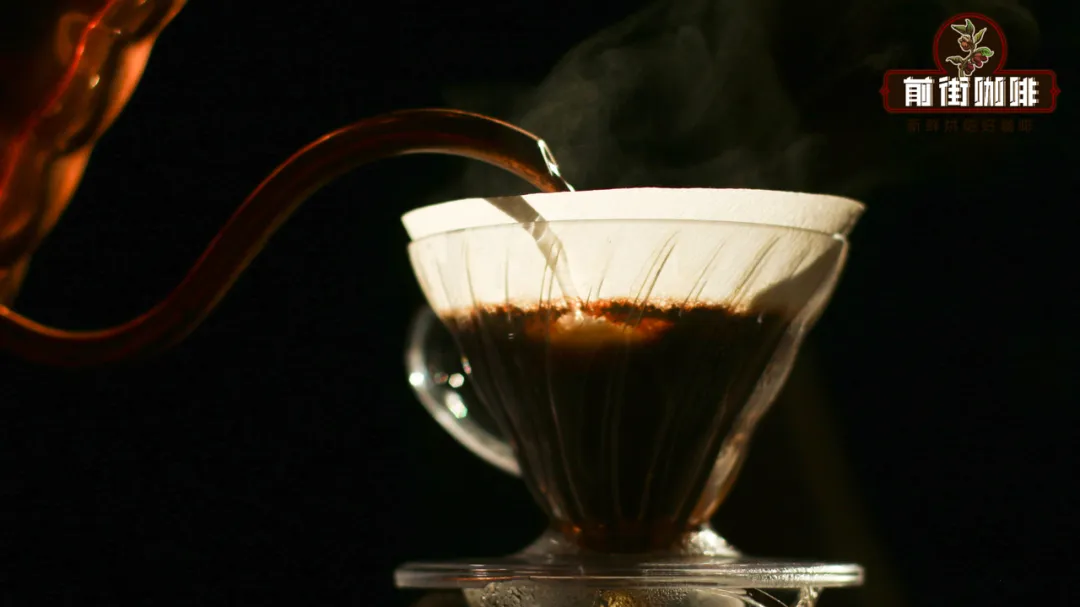
However, choosing a zero-bypass filter is not a cure-all. Even if the filter reduces bypass water, it’s still important to pay attention to stirring and water flow smoothness during brewing. Good pour over is not just about avoiding bypass water—it also involves using proper circular pouring and flow control to ensure the water evenly extracts various components from the coffee grounds, bringing out balanced acidity and complex layers.
In summary, controlling bypass water is a crucial aspect of influencing the flavor of pour over coffee. Once you understand its causes, you can enhance the extraction quality of your coffee—and enjoy a better pour over experience—by adjusting your pouring technique, selecting the right filter, and developing good brewing habits.
The above content is compiled by CoffeeHunters, a coffee news website.


