








Introduction:The 2024 Panama BOP auction once again set a record-breaking price, with Elida Estate’s Natural Geisha winning the bid at an astonishing $10,013 per pound. Behind this achievement lies the Lamastus family’s four generations of dedication to quality. This article delves into the unique flavor profile of this championship bean, introduces the geographical characteristics of the family’s five estates, and offers practical brewing suggestions to help you fully grasp the essence of top-tier Geisha—from flavor to technique.
When the results of the 2024 Best of Panama (BOP) Geisha auction were announced, Elida Estate’s naturally processed Geisha beans achieved a staggering $10,013 per pound, not only breaking the historical record but also retaining the title of auction champion. Established in 1918, this long-standing estate has already set a BOP record as the first to produce a double Geisha champion, and its close second-place finish to El Velo Estate further solidifies its legendary status.

The Lamastus family’s coffee empire, built over four generations, includes five renowned estates, among which Elida is one. In addition to the champion of this auction, Donkey Estate and Luito Estate are also well-known names in the specialty coffee world. The recently added high-altitude La Torcaza Estate has further expanded the family’s terroir footprint. It’s worth noting that although the family owns five estates, only three are actively in production, each situated in different microclimates, yielding distinctly unique flavor profiles.
The cupping of this championship-winning Geisha revealed an astonishingly layered flavor spectrum:Upon first sniff, pure white floral notes burst forth.This is quickly followed by the sweet aroma of pomegranate and peach dominating the nose. On the palate, high sweetness pairs perfectly with the round acidity of grapes, creating an exquisite balance.A black tea-like rich aftertastelingers throughout the entire drinking experience. As the temperature cools, the peach aroma transitions into a softer apricot tone, making the overall profile feel like a refined tea beverage crafted from tropical fruits.
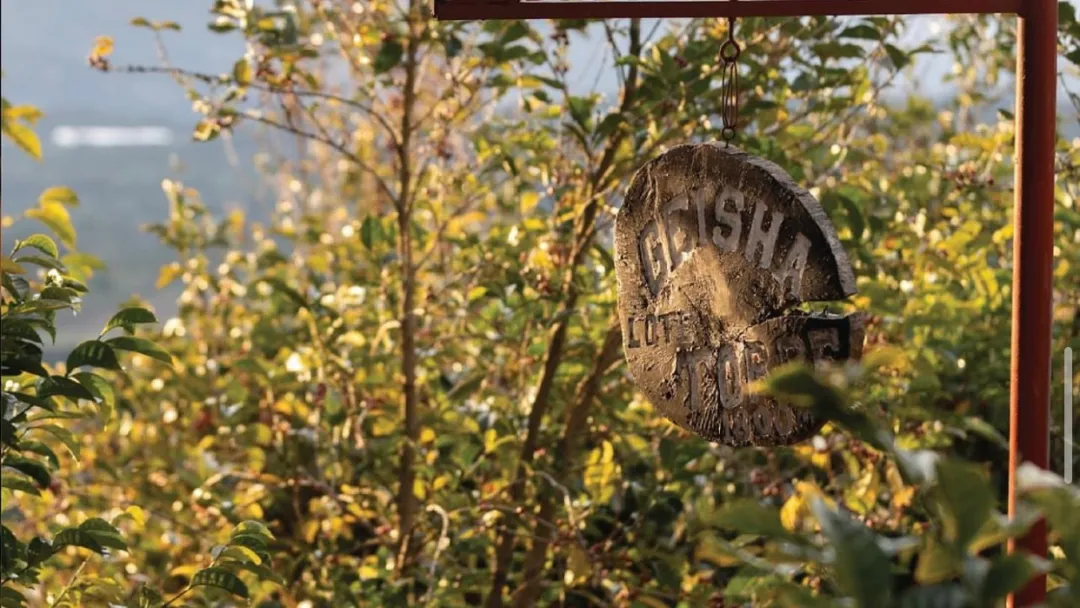
For brewing this high-altitude Geisha, it is recommended to use a medium-light roast, with a grind size slightly coarser than superfine sugar (approximately BG 5R), and a water-to-coffee ratio of 1:15. When pour over brewing, the first pour of 30 grams for a 30-second bloom effectively awakens the floral and fruity aromas. The second pour should be segmented up to 125 grams, with a total extraction volume ideally around 225 grams. Particular attention should be paid to maintaining a stable, outward-spiraling water flow from the center to avoid disrupting the delicate floral compounds.
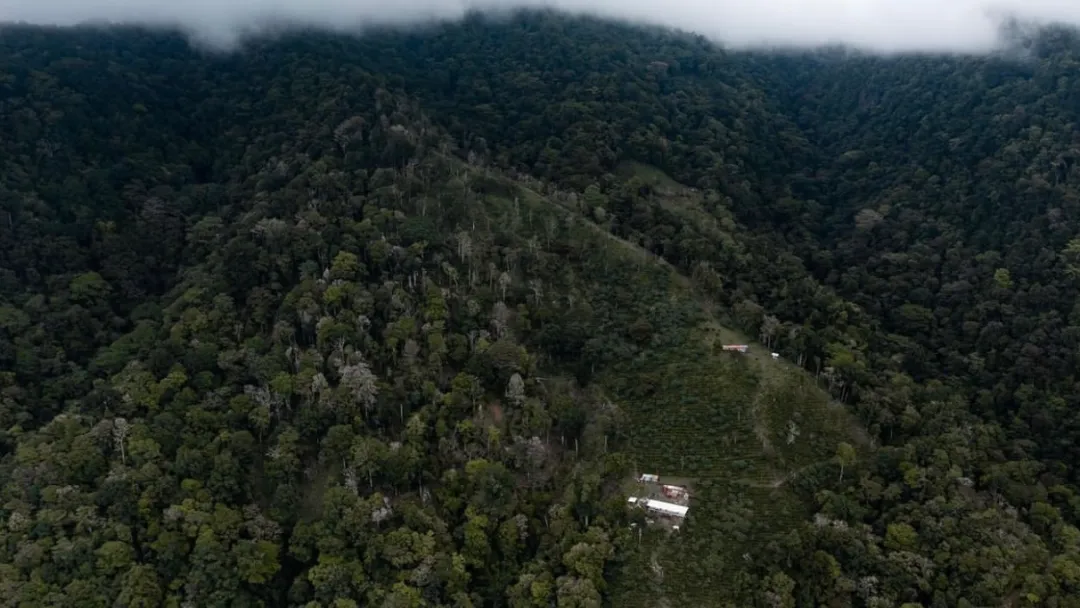
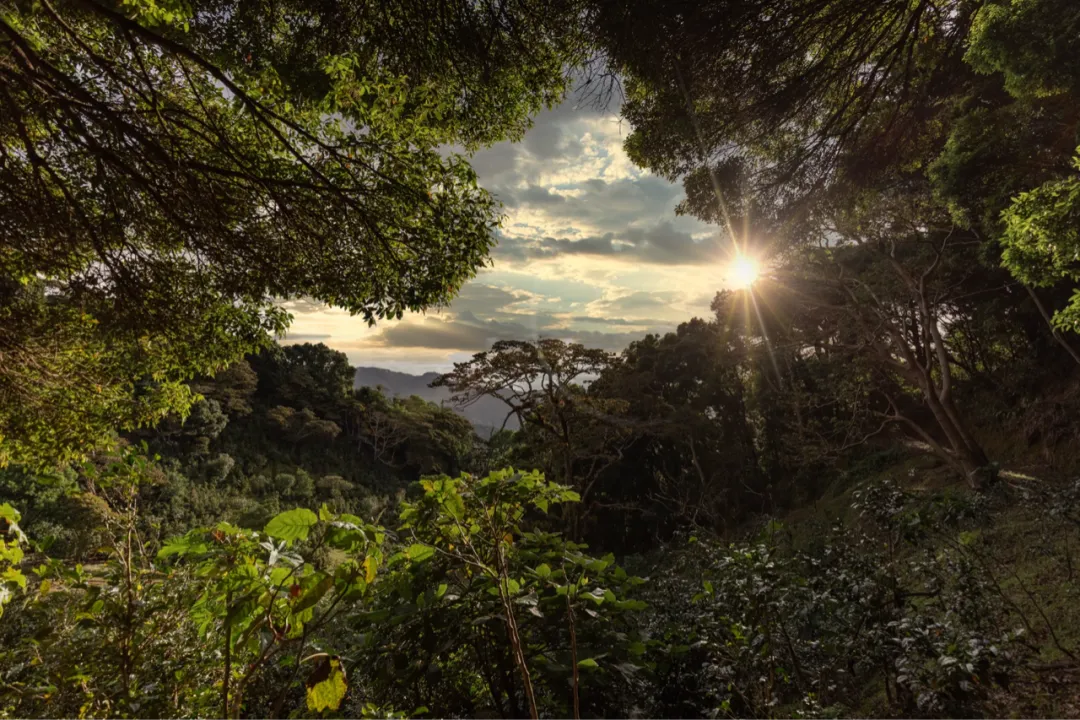
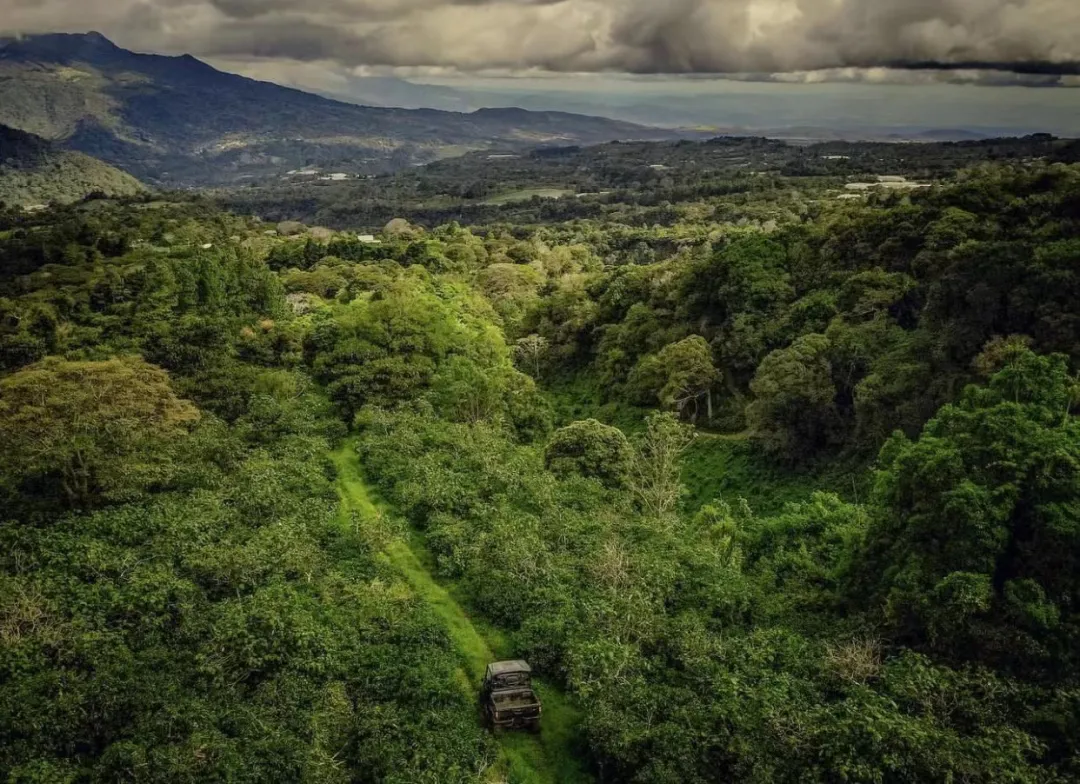
Understanding the geographical advantages of Elida Estate helps explain the uniqueness of its flavors—its location on the western foothills of the Barú Volcano, with mildly acidic red soil, combined with abundant annual rainfall of about 2,100 mm and an elevation of 1,600 to 1,800 meters, contributes to its bright acidity and complex fruity foundation. In contrast, the family’s Donkey Estate, located near a volcanic lake, often produces coffee with unique mineral notes, while Luito Estate, nestled in a cloud forest environment, yields a softer and sweeter profile.
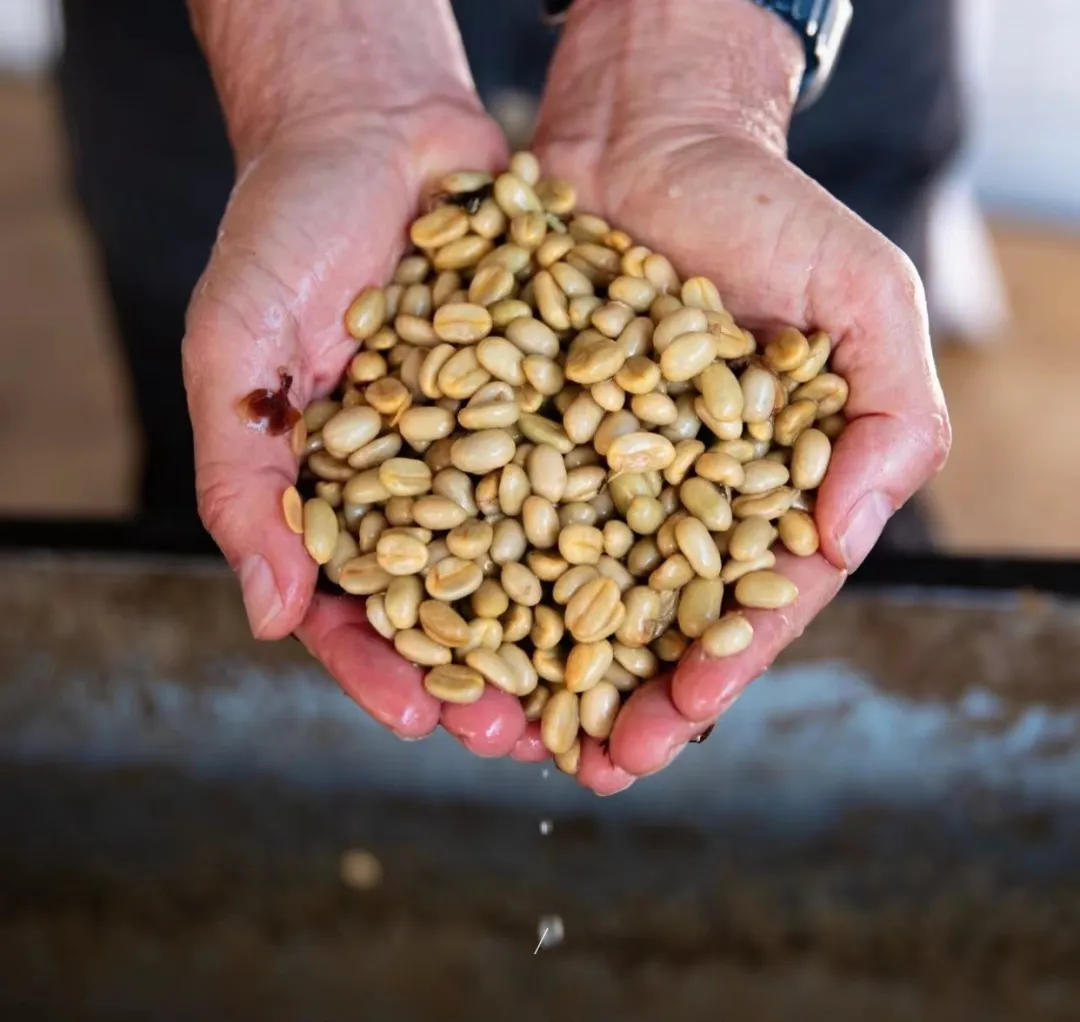
During tasting, it is recommended to pay attention to three key stages: the intense floral and fruity impact when hot, the balanced acidity and sweetness in the mid-temperature range (60–50°C), and the tea-like aftertaste that emerges as the coffee cools. Professional cuppers often document flavor shifts across different temperatures, which is highly valuable for understanding the complexity of the coffee. A special reminder for those trying top-tier Geisha for the first time: it is advisable to use freshly roasted beans (7–21 days post-roast) and ensure your brewing equipment is thoroughly cleaned to avoid any unwanted off-flavors.
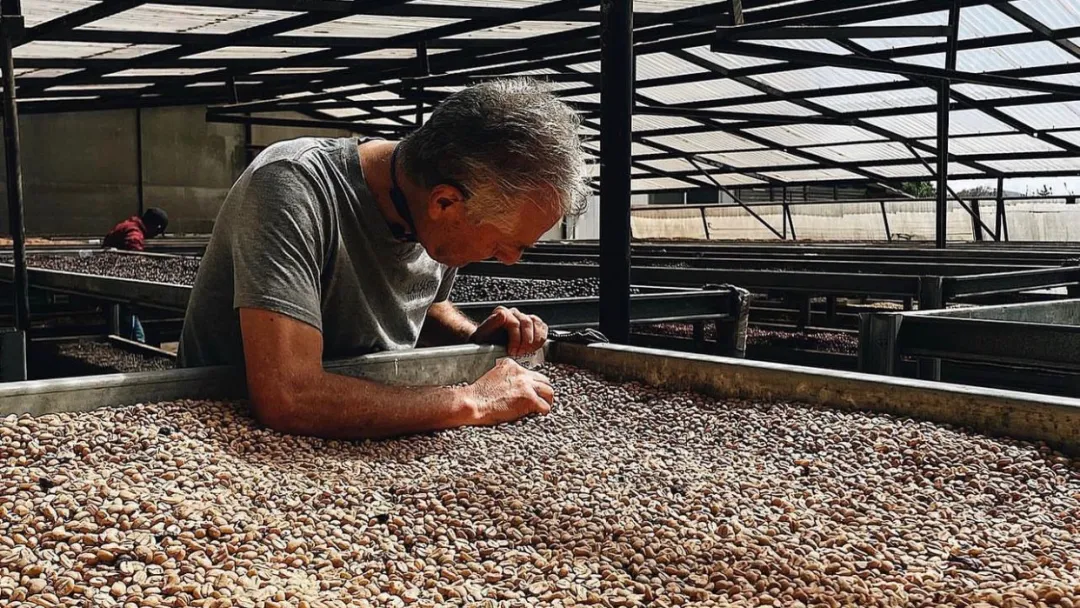
The natural processing method plays a crucial role in this Geisha—the estate employs a strict cherry selection process, choosing only fully ripe red cherries for sun-drying. After more than 21 days of careful drying, the enzymatic action of the mucilage layer imparts additional sweetness and body to the coffee, which is the secret behind the smooth, black-tea-like texture noticeable during cupping. Compared to washed processing, naturally processed Geisha typically exhibits more exuberant fruitiness and a higher ceiling of sweetness.
For coffee enthusiasts, understanding the geography and processing details of Elida Estate not only deepens appreciation but also reveals the quality foundation behind its sky-high price. From the family’s four-generation farming philosophy to the subtle differences in microclimates across their estates, these elements collectively weave the premium flavor map of Panamanian Geisha. The next time you take a sip, take a moment to appreciate the craftsmanship hidden within those floral and fruity notes.
The above content is compiled by CoffeeHunters, a coffee news website.


