







Introduction:As a globally significant coffee-producing country, Indonesia has recently been hit hard by a series of natural disasters. From earthquakes on Java Island to heavy rainfall in Sumatra and ongoing droughts across multiple provinces, these factors are severely impacting coffee cultivation and harvests. This article delves into the specific effects of these disasters on Indonesia’s coffee output and explores potential future trends in market prices, helping you stay updated on the latest developments in key coffee-growing regions.
Recently, several major coffee-growing regions in Indonesia have been struck by severe natural disasters, significantly affecting local coffee production. Among them, a magnitude 5.0 earthquake occurred near Bandung in West Java, Java Island, resulting in injuries and property damage; meanwhile, the Aceh region in northern Sumatra is experiencing heavy rainfall and strong winds during the coffee harvest season, forcing harvesting activities to be suspended. In addition, multiple areas including East Nusa Tenggara, East Java, and South Sulawesi are facing prolonged droughts, further threatening the growth of coffee crops. Below, we will analyze the impact of these disasters on Indonesia’s overall coffee industry one by one.
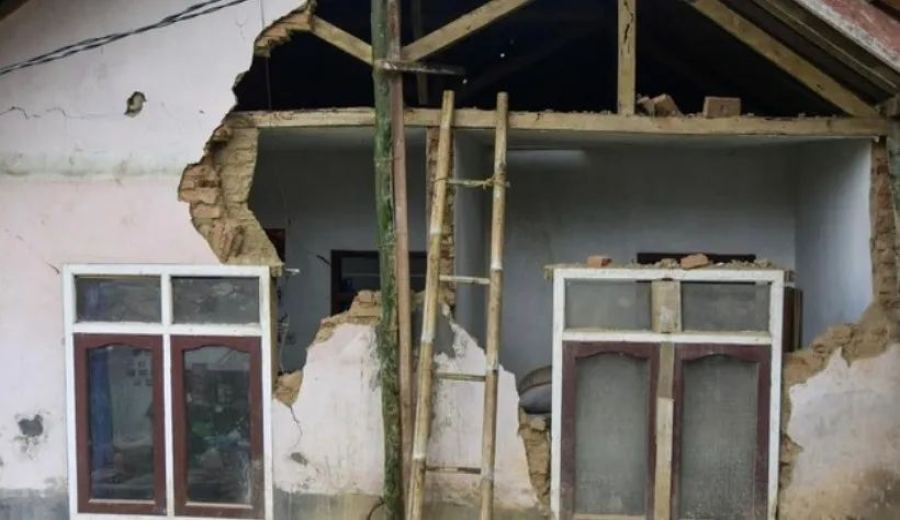
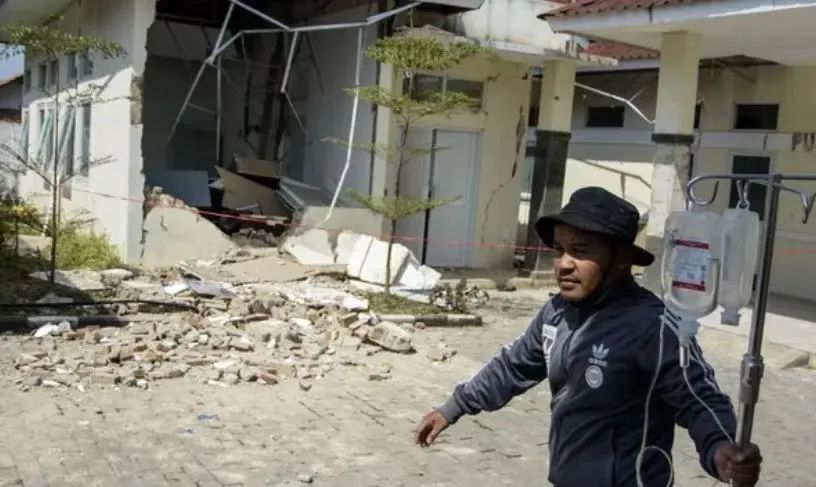
According to Indonesian media reports, in the early morning of September 18, a magnitude 5.0 earthquake struck approximately 24 kilometers southeast of Bandung City in West Java, Java Island. The quake injured at least 82 people and damaged around 700 houses, including public facilities such as schools and hospitals.The earthquake had an epicenter depth of about 10 kilometers, classifying it as a shallow quake. Although it did not trigger a tsunami, it caused noticeable damage to buildings and infrastructure in the Bandung area.. In the aftermath, 26 aftershocks have occurred, and local disaster management agencies are continuously assessing the overall losses. Disaster management authorities in the Jakarta area have also warned residents of the potential threat of larger-scale earthquakes in the future and urged early disaster preparedness.
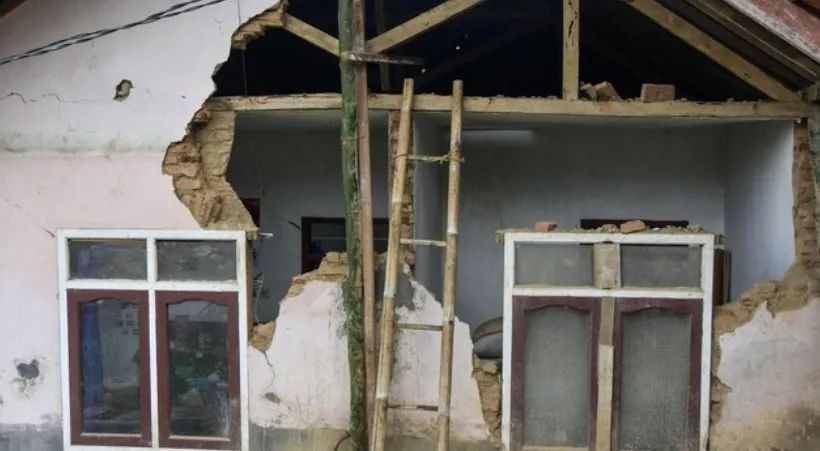
Java Island is Indonesia’s second-largest coffee-producing region, after Sumatra, and the area around Bandung is one of the island’s important coffee-growing belts. This earthquake may have caused multiple types of damage to local coffee plantations, such as broken coffee tree branches, fallen coffee cherries, and even damage to irrigation systems, all of which can affect the growth cycle and future yield of coffee trees. Damage to planting area infrastructure may also delay replanting and harvesting processes.
Across the strait from Java Island, Sumatra Island has also not been spared from natural disasters. Observations from Indonesia’s Meteorological, Climatological, and Geophysical Agency (BMKG) indicate that the Aceh region in northern Sumatra has recently experienced heavy rainfall and strong winds, with wind speeds reaching approximately 55.56 kilometers per hour—close to hurricane strength.Numerous buildings, schools, and sports facilities in the area have been damaged, and there was even a tragic report of a student killed when a classroom ceiling collapsed.Weather forecasts predict that in the coming days, areas including Medan, Aceh, North Sumatra, Riau, and West Sumatra will continue to face a high probability of rainfall, with some regions seeing over 70% chance of rain, potentially leading to secondary disasters such as landslides and floods.
Sumatra Island is the home of the world-renowned Sumatra Mandheling coffee, and its coffee production accounts for over 60% of Indonesia’s total national output. Every year from September to October is the main harvest period for Indonesian coffee, but this wave of heavy rainfall and strong winds not only hinders harvesting operations but may also cause ripe or nearly ripe coffee cherries to be knocked off by wind or spoiled by rain.This could further lead to a noticeable decline in the current season’s yield.。
In addition to earthquakes and heavy rains, multiple provinces in Indonesia are now also grappling with prolonged drought conditions. Reports indicate that East Nusa Tenggara, East Java, West Nusa Tenggara, South Sulawesi, the Yogyakarta Special Region, West Java, and Banten have experienced no significant rainfall for over two months, with some areas facing drought conditions for as long as 144 days. Persistent drought leads to water shortages in the soil, stunted growth of coffee trees, and even fruit drop or reduced yields, posing serious challenges to both coffee quality and output.
Looking back at data from the International Coffee Organization (ICO), coffee exports from the Asia-Pacific region in July this year totaled only 2.77 million bags, an 8.1% decline compared to the same period last year. Indonesia and Vietnam are the two largest coffee-exporting countries in the Asia-Pacific region. Notably, Vietnam experienced its most severe drought in nearly a decade earlier this year, causing widespread withering of coffee crops, and its 2023/24 export volume has already decreased by 12.71% compared to last year. Now, with Indonesia also being hit by multiple disasters, the production decline may be even more severe than the initially estimated 50%, which could further drive up international coffee bean prices.
The above content is compiled by CoffeeHunters, a coffee news website.


