







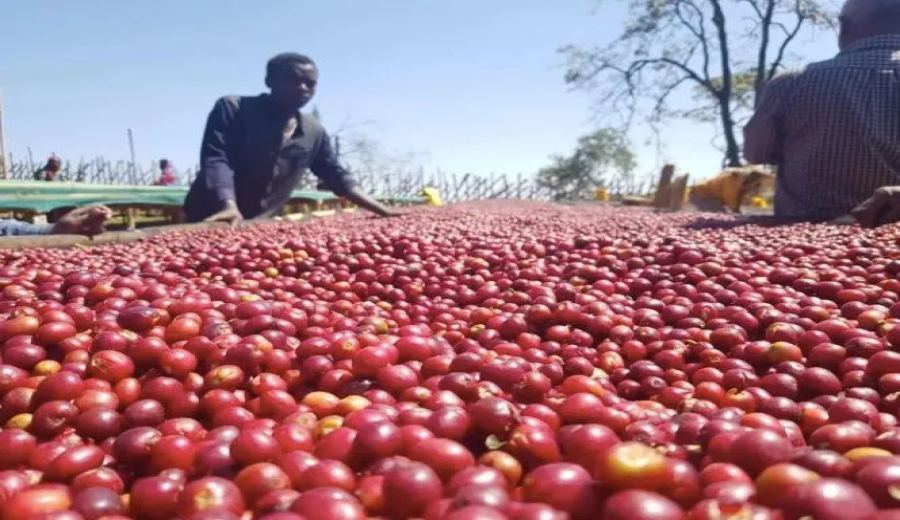
Introduction:The Guji Zone in Ethiopia is a focal point for specialty coffee enthusiasts worldwide. Within it, the Hambella sub-region has given rise to the renowned Hua Kui (Flower Queen) coffee beans. From their meteoric rise to fame through the TOH competition to their widespread popularity across Mainland China, Taiwan, and Hong Kong, what geographical and processing advantages lie behind their success? This article will delve into the unique terroir and microclimates of the Guji Zone, the growing environment of Hambella, and explore the origins of the Hua Kui coffee competition as well as its evolving flavor profiles year by year. We’ll also provide practical pour over brewing recommendations.
As the birthplace of coffee, Ethiopia is not only home to numerous heirloom varieties but also renowned for its diverse and complex flavor profiles. Among the country’s many well-known coffee regions, the Guji Zone stands out due to its unique geographical location and varied microclimates, making it one of the emerging star regions in the specialty coffee scene over the past decade.
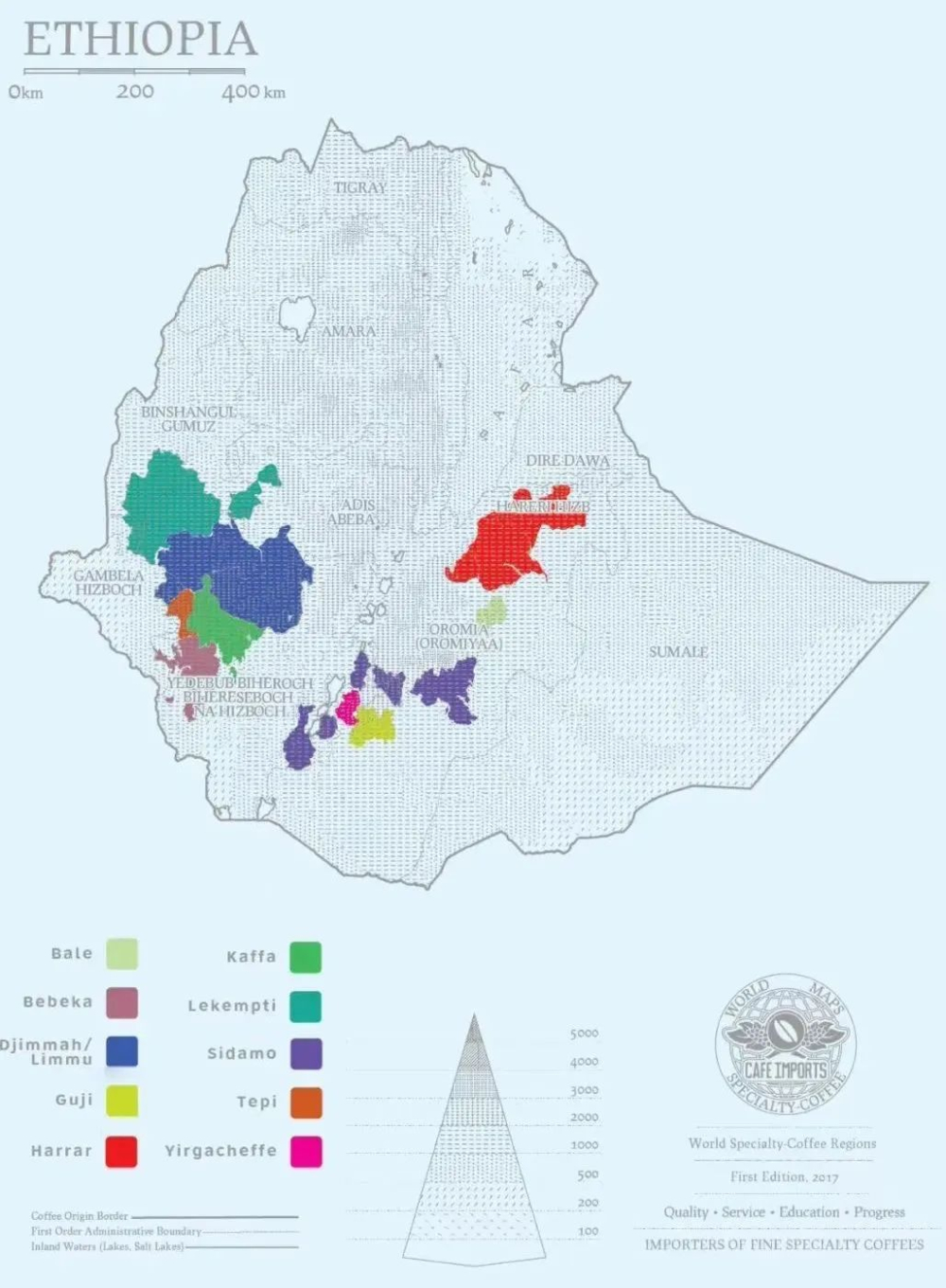
Located in the southeastern part of Ethiopia, administratively part of the Oromia Region, Guji was originally part of the Sidamo Zone until 2010 when it was designated as a separate zone due to its distinctive flavor characteristics. The region features a complex terrain with high mountains, deep valleys, and plateaus, and an average altitude of around 1,800 meters, giving rise to numerous microclimates that help coffee cherries develop rich flavor compounds.
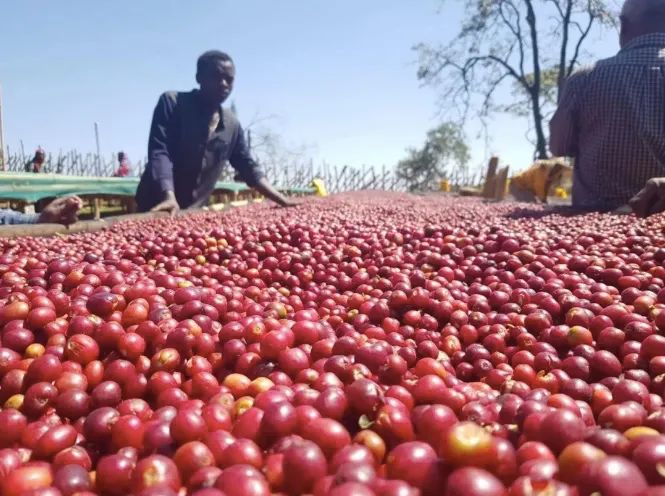
Among the many sub-regions of Guji, Hambella stands out with its higher elevation—approximately 2,100 to 2,300 meters—and mineral- and organic-rich soils, making it an important origin for specialty coffee beans. The area enjoys a cool climate with significant day-to-night temperature variations, which facilitate slow cherry maturation and allow the beans to develop complex and nuanced flavor profiles.
In 2017, Ethiopian DW Coffee Company submitted a naturally processed coffee bean from the Buku Abel washing station in Dimtu Town, Hambella, to the African Fine Coffee Association’s (TOH) green coffee competition. With its intense berry aroma and smooth mouthfeel, this coffee won the championship in the natural category that year, drawing significant market attention.
In the same year, these competition-grade beans were introduced to China by a local green coffee trader and launched under the name “Hua Kui” (Flower Queen). The name originates from a Chinese barista who performed exceptionally well at the competition—though he only secured second place, the coffee itself quickly gained popularity among enthusiasts for its unique flavor.
As the reputation of Hua Kui coffee grew, DW Coffee continued to expand production capacity in the Hambella region by establishing dedicated processing stations in surrounding villages including Buku Saysay, Haro Soresa, Tirtiro Goye, and Seke Bokosa. This ensures a stable supply of raw materials and consistent quality. From the 2.0 version in 2018, the 3.0 in 2019, to the subsequent annual Hua Kui X.0 series, the line has now evolved to Hua Kui 8.0, with each generation showcasing distinct flavor interpretations.
Take the newly released Hua Kui 8.0 as an example. This naturally processed coffee bean, when roasted to a medium-light level, exhibits rich tropical fruit aromas such as dried mango, jackfruit, and citrus notes. When sipped, it delivers a pronounced juicy sensation, with a full and rounded body, and a soft black tea-like sweetness in the aftertaste. The overall profile is layered and long-lasting, making it highly appealing to coffee drinkers who enjoy fruity and sweet flavors.
If you’d like to experience the unique flavors of the Guji Zone at home, we recommend using a medium-light roasted Hua Kui series bean and brewing it via pour over. A general guideline is a brew ratio of around 1:15, with water temperature controlled between 90–92°C, using a medium-coarse grind (similar to white sugar granules), and employing a three-pour brewing method. This approach effectively highlights the fruitiness and body of Hua Kui beans.
In summary, the Guji Zone, especially the Hambella sub-region, owes its success to its exceptional geographical and microclimatic conditions, producing a variety of distinctive specialty coffees including Hua Kui. Whether you’re a coffee novice or a seasoned enthusiast, you can embark on a unique flavor journey through the coffees of this remarkable region.
The above content is compiled by CoffeeHunters, a coffee news website.


