







Introduction:An in-depth exploration of El Cedro, the most representative estate in Costa Rica’s Tarrazú region, covering its geographical environment, Geisha variety cultivation, and the evolution and practical performance of honey processing. The article details how this estate has achieved consistent success in COE competitions thanks to its exceptional microclimate and refined processing methods, while also introducing the diverse classifications and flavor potential of honey processing.
Costa Rica is one of the first countries in Central America to recognize coffee as a commercial crop, relying on its unique geographical advantages: high-altitude mountainous regions, mineral-rich volcanic soils, and stable rainfall, which have given rise to numerous world-renowned coffee-producing areas. Among them, Tarrazú is not only the country’s largest and most prestigious coffee region but also received official Denomination of Origin certification from the European Union and the World Intellectual Property Organization (WIPO) in 2019, now internationally protected under the name “Café de Tarrazú.”
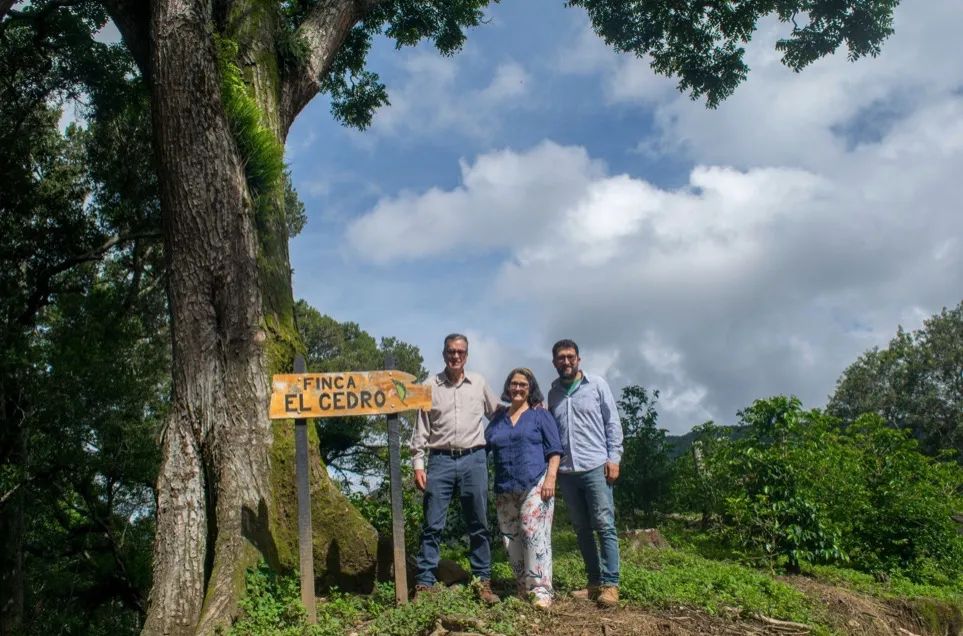
Among the many outstanding estates in Tarrazú, El Cedro has gradually become one of the region’s highlights due to its refined cultivation techniques and award-winning performance. The estate is part of Hacienda San Isidro Labrador, founded by Johel Monge Naranjo and his son Matías, and has now developed into a family-run specialty coffee brand. The estate is located near Dota town in the Tarrazú region, at an altitude of 1,950 meters, representing a typical high-altitude growing environment.
Central Costa Rica is traversed by the magnificent Cordillera mountain range, one of the longest fold mountain systems in the world, composed of numerous parallel mountain ranges, plateaus, and basins, and also part of the Pacific Ring of Fire. The volcanic soils distributed among the mountains, combined with moderate rainfall and ample sunlight, provide excellent growing conditions for coffee trees. The Tarrazú region lies at the heart of this mountain range, encompassing administrative areas such as Tarrazú and Dota towns, and is one of the oldest coffee-producing regions in Costa Rica.
Tarrazú not only boasts superior geographical conditions but also officially obtained dual Denomination of Origin certification from the EU and WIPO for “Café de Tarrazú” in 2019, symbolizing international recognition of its coffee quality and regional characteristics. This region consistently produces coffee beans with clear flavors, bright acidity, and pronounced sweetness. Common varieties include Catuai and Caturra, mostly processed using the washed method, making them ideal for drinkers who enjoy fruity and nutty profiles. The Tarrazú Starter Selection is based on this region, showcasing the classic Central American flavor profile.
The area where El Cedro is located borders Parque Nacional Los Quetzales, a national park famous for birdwatching and also a convergence point for cloud forests and numerous mountain streams. The estate’s unique microclimate, including significant diurnal temperature variations and high humidity, helps extend the ripening period of coffee cherries, thereby accumulating richer flavor compounds. The high altitude and natural shade also result in denser coffee beans, which are more likely to exhibit layered flavors during extraction.
El Cedro has long been committed to cultivating specialty coffee, with a particular focus on the Geisha variety. Known for its unique jasmine, tea, and tropical fruit flavors, Geisha demands extremely high standards in both growing conditions and processing techniques. Under strict field management and traceability systems, El Cedro has participated in Costa Rica’s Cup of Excellence (COE) competition multiple times, winning the championship in 2017, 2019, and 2023, and frequently placing in the top ten, demonstrating its stable and high-level production capabilities.
When it comes to El Cedro’s success, honey processing plays a pivotal role. Due to Costa Rica’s mountainous terrain, water storage is challenging, making traditional washed processing less feasible; additionally, sunlight conditions are not as ideal as in Africa, making pure natural processing relatively risky. As a result, local farmers began exploring modified semi-natural methods years ago. Drawing inspiration from Brazilian processing logic, they first remove the outer skin of the coffee cherry, then briefly rinse it with water for about an hour, before placing the beans, still coated with some mucilage, directly on raised beds for sun drying. This eventually evolved into the widely known honey processing method used today.
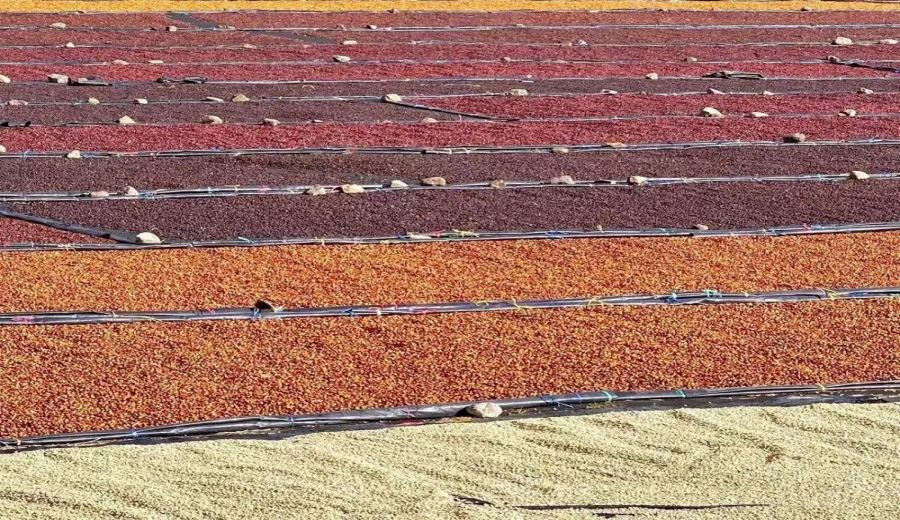
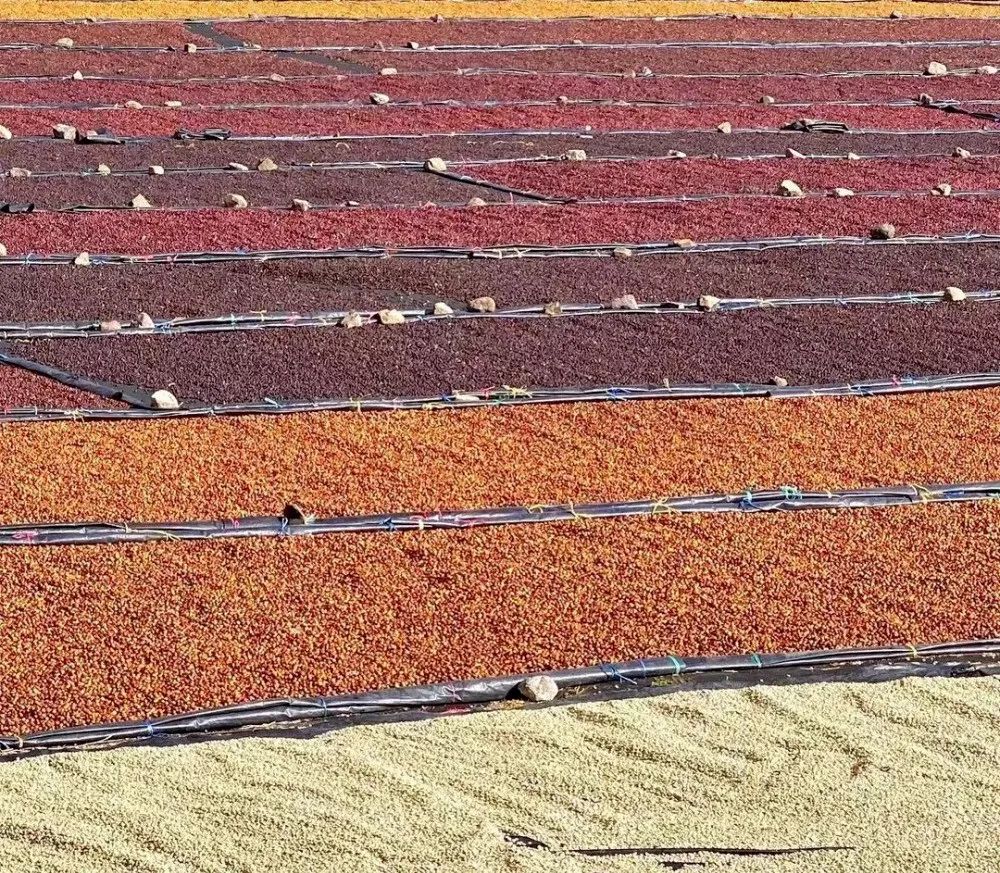
Today, honey processing in Costa Rica has developed into various variations, broadly categorized based on the amount of mucilage retained: Black Honey (maximum mucilage retention, intense flavors, and strong sweetness), Red Honey, Yellow Honey, and White Honey (almost no mucilage retained, close to washed flavors). El Cedro utilizes this technique to successfully highlight the unique characteristics of the Geisha variety and has won multiple awards in COE competitions with its honey-processed beans, proving the maturity and innovation of its techniques.
In summary, the Tarrazú region, with its natural advantages and industry heritage, has nurtured specialty coffee estates like El Cedro that blend tradition with innovation. For both coffee enthusiasts and industry professionals, gaining a deeper understanding of the region’s microclimate, representative varieties, and processing techniques can provide a more solid foundation for appreciation and selection. The evolution of honey processing is not only a microcosm of Costa Rica’s coffee industry but also the best testament to the diverse development of global specialty coffee processing techniques.
The above content is compiled by CoffeeHunters, a coffee news website.


