







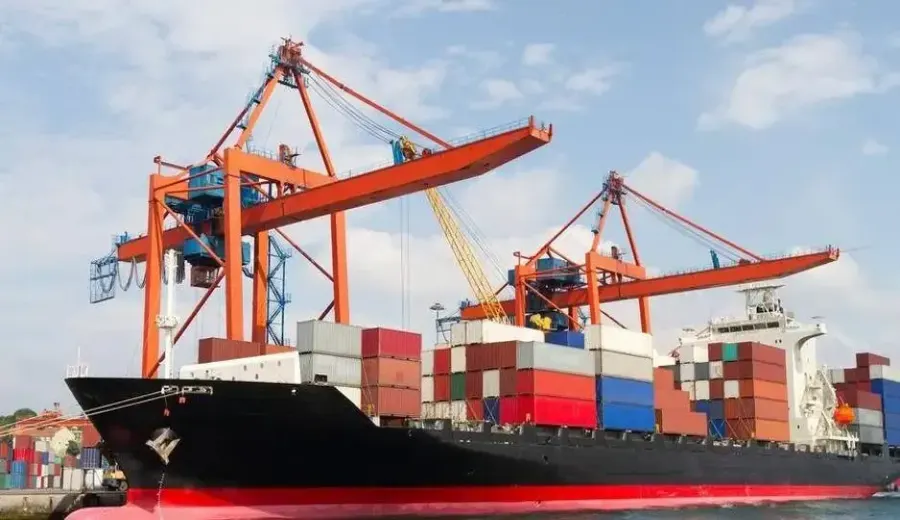
Introduction:Recent significant changes have emerged in the shipping market, with container freight rates expected to plummet by up to 70% over the next year. For the coffee industry, which heavily relies on sea freight, this is undoubtedly great news. The decline in freight rates not only helps alleviate long-standing logistics cost pressures but also has the potential to positively impact coffee prices. However, weather conditions and harvest yields at origin remain key factors influencing the future trajectory of coffee futures. This article provides an in-depth analysis of the background behind the freight rate fluctuations, the tangible benefits for the coffee supply chain, and the core reasons behind price uncertainties.
The shipping market has reached a major turning point. According to the latest forecasts from professional institutions, global container freight rates could see a drop of as much as 70% within the next twelve months. For the coffee industry, which is highly dependent on maritime transport, this is undoubtedly exciting news. The significant decline in freight rates will not only directly reduce transportation costs but also has the potential to ease the long-standing tension in the supply chain, indirectly bringing positive adjustments to retail coffee prices.
It is worth noting that although logistics costs are expected to ease, the coffee futures market still faces upward pressure. Due to reports of reduced production in major producing regions such as Brazil, Vietnam, and Indonesia, coupled with disruptions from weather variables, the market generally expects coffee futures prices to remain high in the short term. This means the actual impact of falling freight rates on end prices will still depend on other variables.
Market data shows that the Shanghai Containerized Freight Index (SCFI) has shown a declining trend for several consecutive months, indicating that shipping companies have been unable to reverse the downward trend in freight rates since July. In fact, this year’s container shipping market has seen the unusual phenomenon of “a strong off-season and a weak peak season.” April, which is traditionally a weaker demand period, saw unexpected freight rate increases due to geopolitical tensions in the Red Sea and some traders accelerating shipments ahead of tariff adjustments.
However, as the traditional peak shipping season from July to September arrived, the situation reversed. Due to a significant increase in capacity deployment by shipping lines and an overall weakening of market demand, freight rates began to decline noticeably.Linerlytica analysis points out that current freight futures continue to perform weakly, with trading prices on the Europe route even falling more than 70% below spot prices.Although this decline is not as severe as at the end of 2022, the market expects freight futures prices to continue to bottom out over the next twelve months.
It is worth noting that long-term contract rates have a profound impact on the global container shipping market. According to the latest estimates from the CoFIF EC contract released by the Shanghai International Energy Exchange (INE), container freight rates may see a decline of over 70% by June next year. However, experts also caution that such predictions are based on the premise that the Red Sea crisis can be effectively resolved and that ships can resume passage through the Suez Canal; otherwise, the actual impact may still be limited.
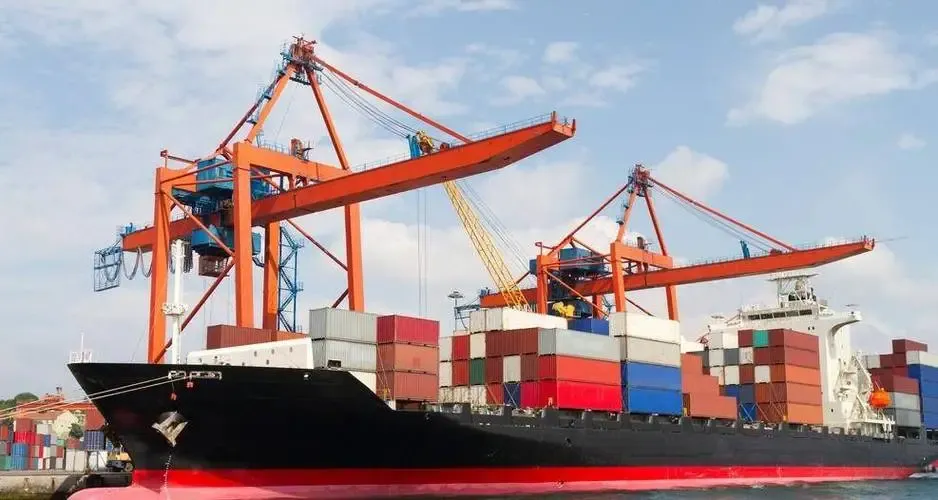
For the coffee industry, the positive effects of falling freight rates cannot be overlooked. For a long time, coffee transportation has mainly relied on sea freight, and in recent years, insufficient capacity has led to soaring freight rates, not only increasing supply chain pressures but also indirectly driving up consumer-end prices. If freight rates fall as expected, it will help improve overall supply efficiency and may stimulate market demand, creating a positive cycle for both production and sales.
However, the future trajectory of coffee prices remains uncertain. According to a recent Reuters interview with eleven traders and analysts, concerns over worsening weather conditions and reduced supply in major producing regions are expected to keep both Arabica and Robusta coffee futures prices above current levels by the end of 2024.
Experts point out that several of the world’s largest coffee-producing countries are facing significant declines in output, with Brazil and Vietnam reporting ongoing droughts. More concerning is the anticipated La Niña weather phenomenon arriving between September and the new crop season, which may further exacerbate existing adverse conditions and impact next year’s coffee harvest. This also means there is still a risk of continued upward pressure on future coffee futures prices.
The above content is compiled by CoffeeHunters, a coffee news website.


