







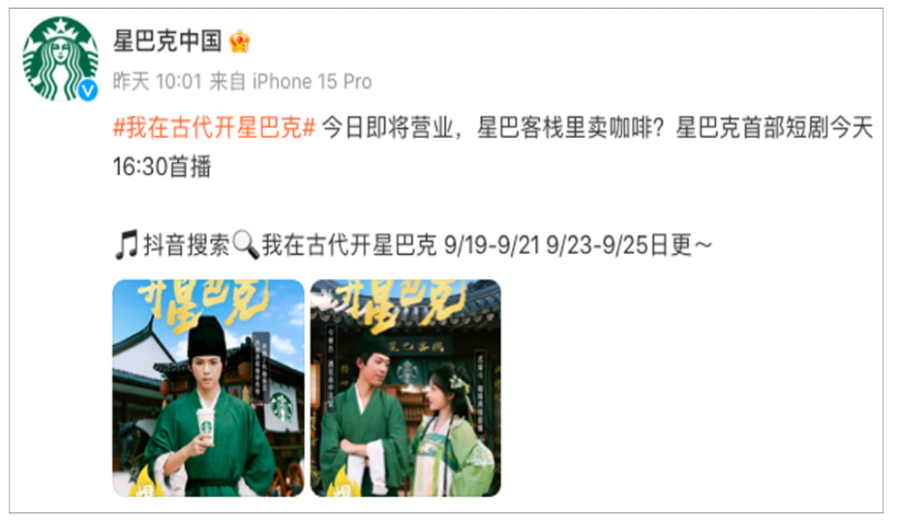
Introduction:Starbucks China recently launched a branded short series titled "I Opened a Starbucks in Ancient Times" on Douyin, blending time-travel themes with modern coffee culture, which has sparked widespread discussion among viewers. This article delves into the creative strategy and market response of this six-episode short series, explores how tea beverage brands such as Cha Bai Dao and Mixue Ice Cream & Tea have leveraged short dramas to boost brand exposure, and examines the challenges and techniques of naturally integrating advertisements within fast-paced narratives.
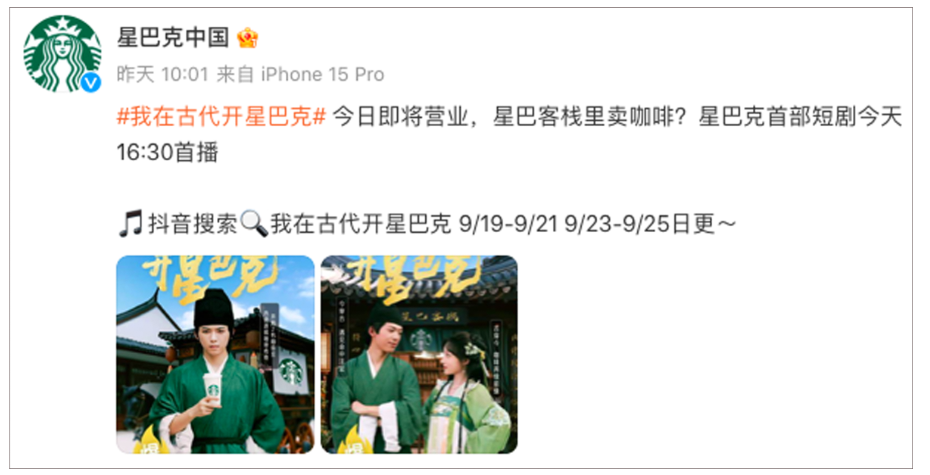
Starbucks China recently debuted its first branded short series, "I Opened a Starbucks in Ancient Times," on the Douyin platform. The story follows a barista who accidentally travels back in time and opens a "Starbucks Inn," combining modern coffee expertise with an ancient setting to unfold a series of humorous management experiences and emotional developments. This six-episode short series is updated once a day, and from the first day of release, its uniquely "cringey yet addictive" style quickly garnered attention and discussion among netizens.
The plot depicts the protagonist using their modern barista skills to develop new beverages in an ancient environment, gradually building up reputation and wealth while also developing romantic storylines. Although many viewers initially found the plot clichéd, as the story progressed, numerous netizens changed their tune, stating they "couldn’t stop watching" and actively urging the official team to release subsequent episodes.
Since its launch, the short series has been updated every evening on the Douyin platform. Meanwhile, the synchronized Starbucks official livestream was also revamped with a "Starbucks Inn" theme, not only distributing limited-time discount coupons but also promoting the exclusive new product featured in the series, the "Fire Crystal Persimmon Frappuccino," as well as highlighting the convenience of the delivery service "Star Delivery," successfully bridging online and offline consumer experiences.
As a content format that has risen in popularity in recent years, short dramas are characterized by their concise length and fast-paced rhythm, quickly occupying the fragmented time of short video users. Data shows that the audience for short dramas spans all age groups and backgrounds, with both men and women likely to be drawn to this type of light content. Compared to traditional film and television dramas, short dramas offer greater production flexibility, allowing brands to more naturally integrate their products and services into the storyline rather than inserting them awkwardly.
In the past, brands often invested substantial funds in TV dramas or movies to secure product placement, but the effectiveness often depended on the overall popularity of the work. If a series failed to gain traction, even high-budget placements could go unnoticed. The rise of short dramas offers brands a more cost-effective and interactive alternative, enabling them to directly connect with their target audience.
In the tea beverage market, brands such as Cha Bai Dao and Mixue Ice Cream & Tea have also successively ventured into short drama production, skillfully incorporating brand philosophies and product features into the plot. Through lighthearted humor or emotionally resonant storytelling, they have successfully captured the attention of younger audiences. Some high-quality short dramas, due to their engaging plots, have even prompted viewers to eagerly follow updates, sparking spontaneous community discussions that further amplify brand influence.
However, naturally integrating brand messages into the fast-paced narrative of short dramas while avoiding viewer aversion remains a significant challenge for brands. Industry insiders point out that when creating short dramas, brands must precisely grasp the rhythm of the plot and character development, ensuring that the scenes where products appear align logically with the storyline, in order to effectively enhance viewer acceptance and memorability.
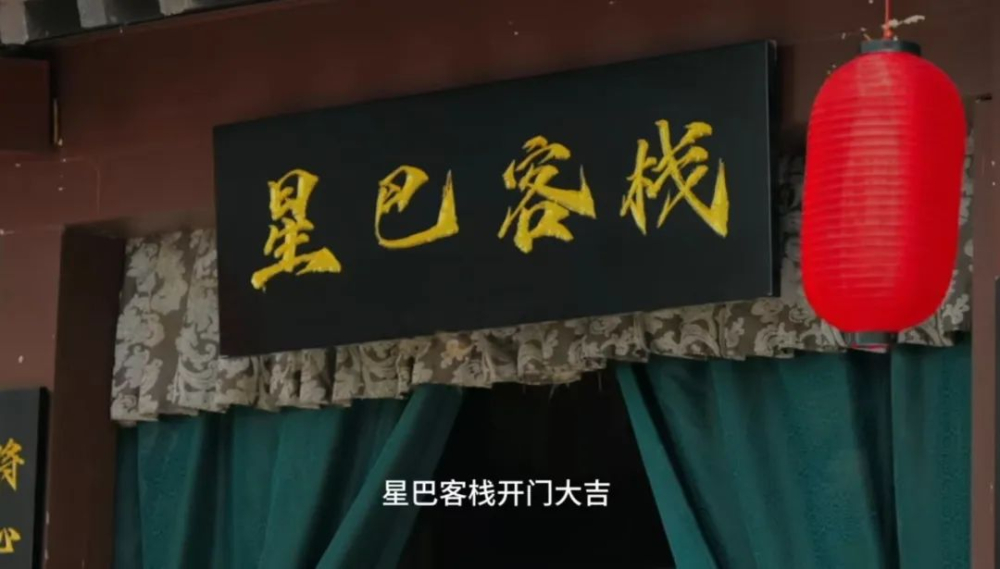
Starbucks’ foray into short drama marketing not only generates buzz for the brand but also provides an experimental space to observe market feedback. By juxtaposing an ancient backdrop with modern coffee culture, Starbucks has successfully piqued consumers' curiosity about the brand’s story. However, whether it can ultimately deepen the brand image and enhance market recognition still remains to be seen over time.
Overall, short drama marketing has become an important channel for brands to reach a new generation of consumers. Striking a balance between creativity and commerce will be a key challenge for brands when producing content in the future.
The above content is compiled by CoffeeHunters, a coffee news website.


