








Introduction:Recent armed conflicts and kidnapping incidents have been reported in Ethiopia’s western coffee-growing regions, with fighting gradually approaching renowned producing areas such as Sidamo and Yirgacheffe. Meanwhile, the country’s August coffee exports and revenues both hit historic highs. However, driven by strong international demand and currency depreciation, multiple underlying risks are quietly emerging. This article provides an in-depth analysis of the current conflict situation, export data, and future challenges to help readers understand the potential variables in the global specialty coffee supply chain.
In recent months, the security situation in Ethiopia’s Oromia Region has continued to deteriorate, with a series of kidnappings and armed attacks. The violence has spread to key coffee-producing areas, including the western Yirgacheffe region and the neighboring Sidamo area. These regions are not only vital economic lifelines locally but also important sources of supply for the global specialty coffee market.
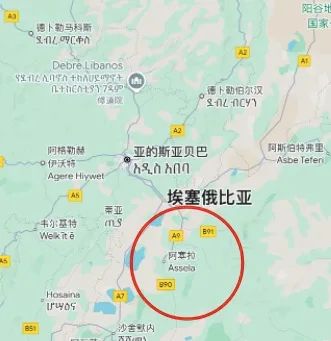
According to local media reports, in and around the town of Asella, approximately 167 kilometers south of the capital Addis Ababa, 44 people were recently abducted by an armed group called “Shene.” The militants, hiding in nearby forests, intercepted eight buses departing from the town of Goba and took 38 passengers hostage. Additionally, witnesses reported that the group entered the town, opened fire, and abducted six more residents.
The kidnappers later contacted the hostages’ families by phone, demanding ransoms ranging from 500,000 to 1 million Ethiopian birr, and threatened to kill the hostages if their demands were not met. So far, local security authorities have not issued an official response to the incident. Residents said that “Shene” has long been active in the area, with kidnappings occurring almost daily, and due to insufficient government military presence, many travelers passing through have fallen victim or gone missing.

In fact, security issues in this region have existed for some time. As early as mid-August, media outlets disclosed a deadly attack in the area that resulted in six deaths and three injuries. At the time, reports indicated that the region was divided between the Oromo Liberation Army (commonly referred to as “Shene”) and government forces. This kidnapping incident was carried out by the same armed group, but the government forces did not intervene actively, leaving local residents extremely uneasy about the deteriorating security situation.
Meanwhile, violent incidents have also been reported in western Oromia Region. In the Kiraama sub-district of East Wollega Zone, about 281 kilometers from the capital, a local administrative official and a party worker were attacked and killed. It is believed that the incident may have been carried out by forces from the Fano militia.
Notably, the town of Asella, where the kidnappings occurred, is not far from the Sidamo coffee-growing region, while East Wollega Zone is the main production area of Yirgacheffe coffee. In the past, armed conflicts have mostly been concentrated in northern Ethiopia, and while there have been occasional disturbances in the south, they rarely affected coffee-growing areas. Now that fighting has spread to these key producing regions, it could directly impact the future supply and quality stability of Ethiopian coffee.
Despite the turbulent situation, statistics released by Ethiopia’s Coffee and Tea Authority show that the country’s coffee exports in August reached 42,322 metric tons, generating over $196 million in foreign exchange revenue—setting a new monthly record for agricultural product exports. According to the authority, compared to the same period last year, coffee export earnings surged by 165%, with additional income growth reaching 143%. In just July and August, Ethiopia earned $377 million from coffee exports alone, with August alone exceeding the same month last year by $110 million—an increase of 41%. Production also rose by 32,955 metric tons, a growth of 66%.
Analysts point out that this export peak is related to multiple factors. First, due to weather conditions, major coffee-producing countries such as Brazil have reported reduced output, driving up global coffee bean prices. Second, recent government reform policies in Ethiopia have led to a significant devaluation of the national currency, the birr, making export prices relatively more attractive. Traders are able to purchase high-quality Ethiopian coffee at lower costs, further stimulating export volumes.
In addition, the European Union’s upcoming “Deforestation-Free Regulation (EUDR)” at the end of the year is also a major reason prompting traders to stock up in advance. This regulation requires importers to prove that agricultural products such as coffee come from areas not subject to deforestation due to farming. As a result, many European buyers are actively stockpiling to comply with stricter future import regulations.
However, the impressive export figures do not reflect the actual situation faced by industry players. Industry insiders say that due to continuously rising domestic inflation pressures and ineffective government policy adjustments to alleviate price increases, the actual income of coffee farmers and small producers has not significantly increased. Moreover, ongoing armed conflicts not only threaten the safety of producing areas but may also disrupt harvesting and transportation, further affecting supply stability.
Even more concerning is that after the implementation of the EUDR, many smallholder farmers who rely on traditional farming methods will struggle to provide the required traceability data and environmental certifications, potentially facing export bans. If this happens, Ethiopia’s coffee exports could face a significant decline, thereby impacting the supply structure of the global specialty coffee market.
The above content is compiled by CoffeeHunters, a coffee news website.


