







Introduction:When it comes to Hawaii, aside from its sunny beaches, there is another unforgettable specialty coffee—Kona. As the only coffee-growing region in the United States, Kona coffee is world-renowned for its delicate acidity and smooth flavor, especially cherished by the Japanese market. But did you know? Kona coffee is actually grown from the Typica variety originally from Guatemala, which evolved into a unique “Kona Typica” under the influence of the island’s climate. This article will take you deep into this once-acclaimed “Queen of Coffee,” exploring everything from the origin of the variety, the evolution of the region, to the fascinating story behind its captivating flavors.
Among the world’s major coffee-consuming countries, the United States is one of the few that has its own domestic coffee-growing region. Due to climatic constraints, most parts of Europe and America find it difficult to cultivate coffee and thus rely heavily on imports. However, the Hawaiian Islands in the U.S. have managed to nurture coffee with specialty potential under their unique insular climate, even within relatively limited altitude conditions. Although several Hawaiian islands attempted to grow coffee, pest infestations forced most regions to abandon production, leaving the Kona region as the only one maintaining stable output, almost becoming the sole pillar of the local coffee industry.
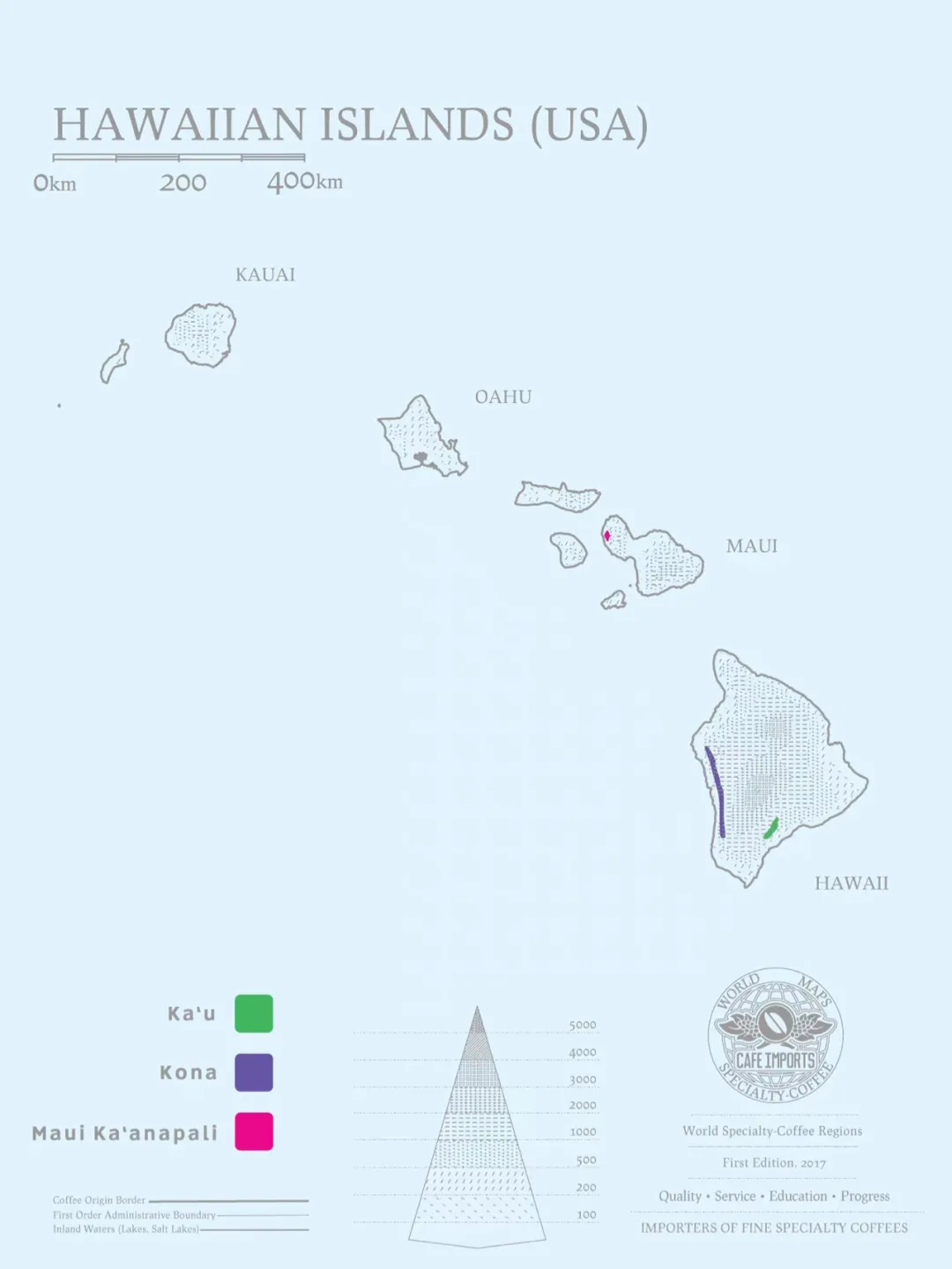
Hawaii is composed of multiple volcanic islands, among which Oahu was the first to introduce coffee. As early as 1817, Hawaii—then not yet part of the United States—saw the first batch of coffee seedlings brought over for trial planting by a Spanish advisor named Francisco. Later, other islands such as Maui and the Big Island (i.e., Hawaii Island) also joined in coffee cultivation. However, most islands had limited coffee-growing areas and faced restrictions due to terrain and protected zones, preventing them from forming large-scale production regions. As a result, coffee-growing areas can only be found sporadically marked on regional maps.
At one point, Hawaii’s overall coffee industry flourished, but it later suffered from severe pest infestations that nearly wiped out coffee trees across most regions, leaving only the Kona region intact. Today, Kona is home to over 600 small family-run coffee farms and has become synonymous with Hawaiian coffee. These farms are mostly operated by Japanese immigrants, with an average cultivation area of just about five hectares per household, forming a distinctive smallholder farming model.
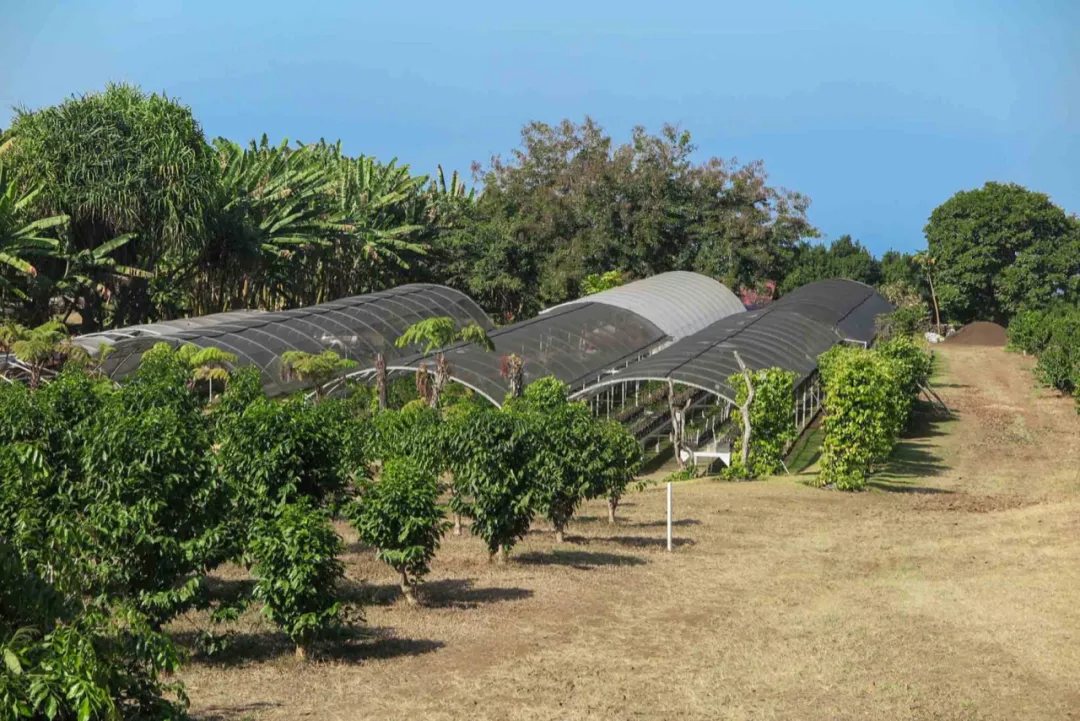
The main coffee variety grown in the Kona region is Typica, a historic original Arabica variety. In 1874, a sugar farmer who was formerly a sugarcane planter introduced this variety from Guatemala and successfully trialed it in the island’s unique microclimate. Thanks to Kona’s mild insular climate—with moderate day-night temperature variations and mineral-rich volcanic soil—these Typica coffee trees thrived and gradually developed flavor characteristics distinct from those of other regions: gentle acidity, moderate body, and a refreshing, layered taste profile.
Over time, this Typica grown in Kona came to be locally referred to as “Kona Typica,” distinguishing it from Typica grown elsewhere. Although the variety remains fundamentally the traditional Typica, it exhibits a softer and more refined character, making it highly favored both locally and internationally. In fact, “Kona Typica” is not an official varietal name, but rather a colloquial term used locally to describe this particular flavor profile.
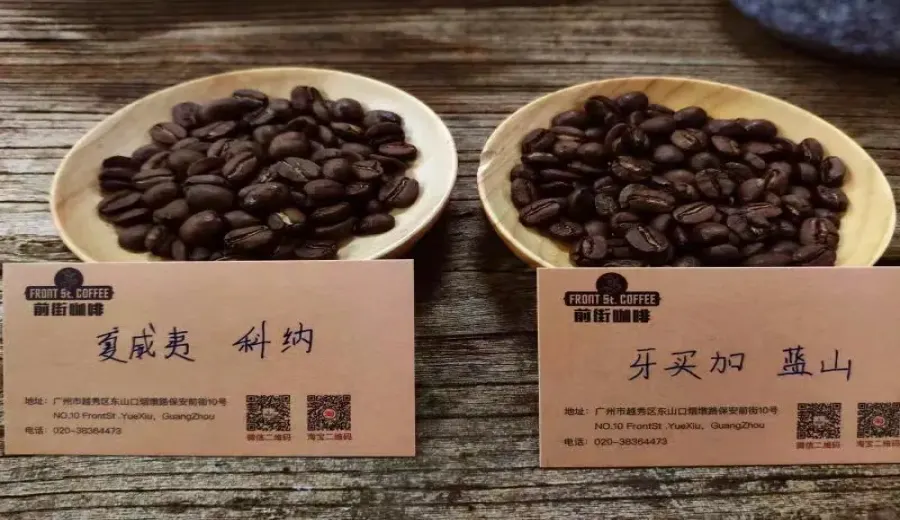
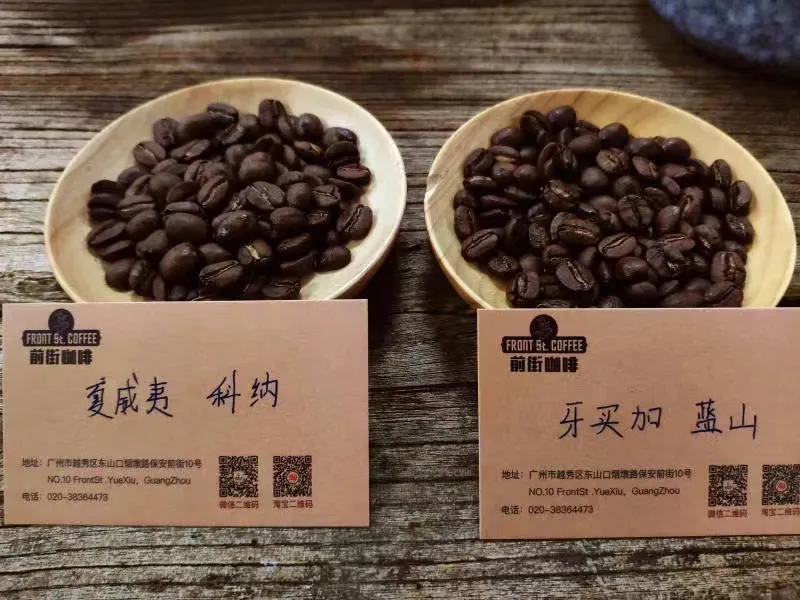
After World War II, the Japanese market saw a surge in demand for high-quality coffee. While it already had access to well-known origins like Jamaica Blue Mountain, attention turned to Hawaii’s Kona coffee. It is worth mentioning that both Kona Typica and Blue Mountain belong to the Typica variety and are grown in island environments, which contributed to their high acceptance among Japanese consumers. However, Kona Typica did not replicate the “King of Coffee” status of Blue Mountain. Instead, thanks to its plumper fruit, brighter color, and more uniform and aesthetically pleasing bean appearance, it earned the title “Queen of Coffee.”
In summary, what makes Kona coffee unique is not just its origin from the United States’ only coffee-growing region, but also how it showcases the extraordinary potential of the Typica variety in an insular environment. If you are a pour over coffee enthusiast or curious about the flavor evolution of specialty coffee, understanding the history and characteristics of Kona Typica will help you more fully appreciate the diverse profiles of high-quality Arabica coffee.
The above content is compiled by CoffeeHunters, a coffee news website.


