







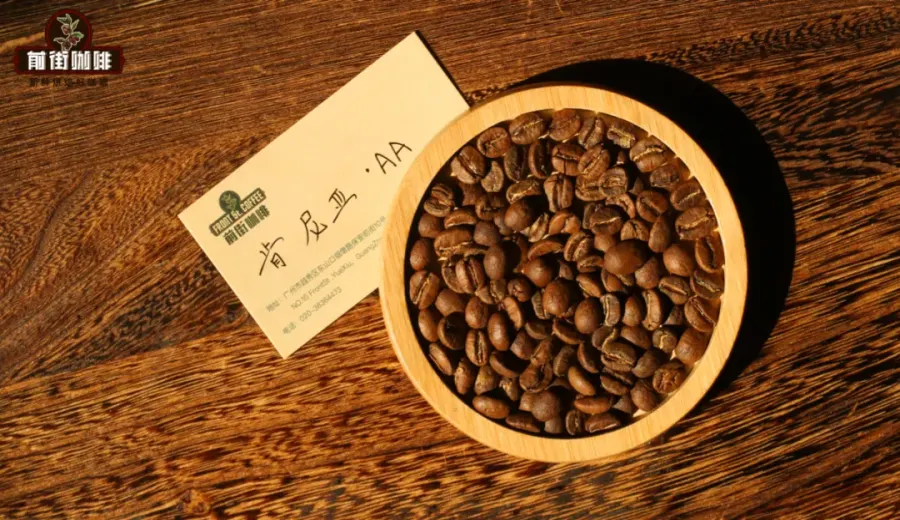
Introduction:Have you ever noticed letters like AA or AB after the name of East African coffee beans when making a purchase? These are actually grading codes for green coffee beans, indicating different qualities and sizes. This article will take an in-depth look at the coffee bean grading system in East African producing regions such as Kenya, with a particular focus on the specific differences between AA and AB, as well as the full grading standards including PB, E, TT, and more, to help you select high-quality coffee beans more precisely.
In well-known coffee-producing regions of East Africa such as Kenya, Tanzania, and Uganda, you’ll often see letters like AA or AB following the names of coffee beans. These letters are not randomly assigned—they represent the grade of that particular batch of green coffee beans. But do you know what they really mean? In fact, this is the result of grading based on bean size, and it’s also a common quality classification method used in many former British colonies.
Coffee grading systems around the world are actually diverse and complex, and don’t rely solely on bean size. Some regions classify coffee grades based on defect rates, altitude, or even processing methods. However, in East African countries like Kenya, bean size is one of the primary criteria for evaluation. This article will start by discussing the three main grading systems and then focus on how Kenya ensures strict quality control of its coffee beans through grades ranging from AA to T.
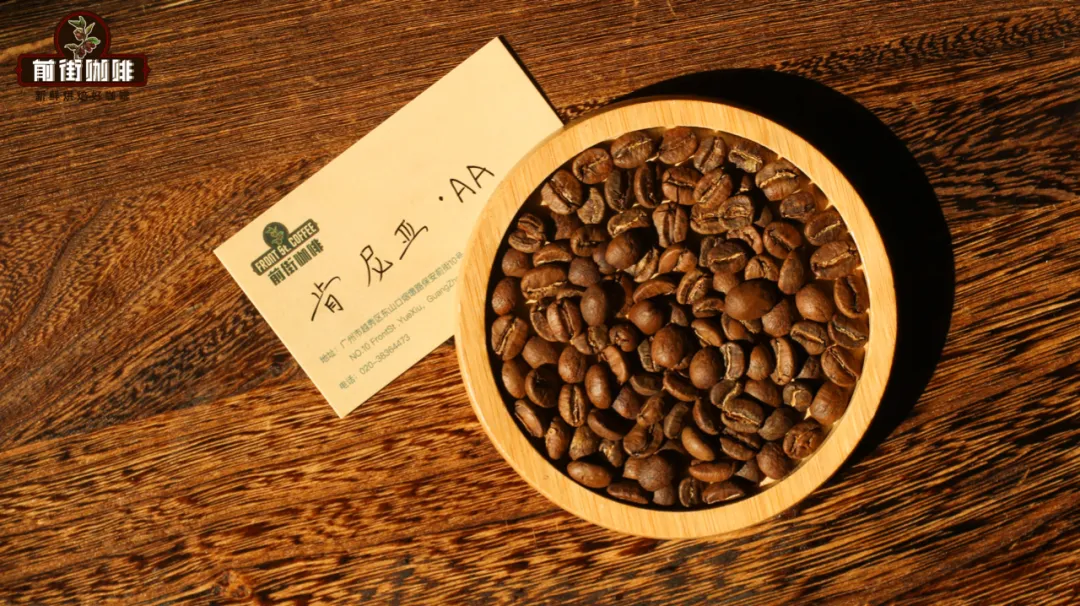
First, let’s clarify a common misconception: seeing AA after the name of a coffee bean doesn’t necessarily mean it will taste the best. AA simply indicates that the beans in that batch are larger in size, typically used for initial screening. Especially in Kenya, AA refers to beans sized between 17 and 18 screens (approximately 6.7–7.1 mm), which is the highest grade in the country’s grading system. The AB grade is slightly smaller, with a size of 15 to 16 screens (approximately 6.0–6.4 mm). Although a bit smaller than AA, AB beans still have good flavor potential.
In addition to AA and AB, Kenya’s grading system includes several other important grades, each with clear selection criteria.Grade Cbeans have a size between 12 and 14 screens and are generally not considered specialty coffee due to their smaller size.PB (Peaberry)refers to a special type of round bean that makes up only a very small proportion of all coffee beans. It usually occurs when only one seed develops fully inside the coffee cherry, and is believed to have a richer flavor profile.Grade E (Elephant)refers to oversized beans exceeding 18 screens, commonly known as "elephant beans." However, they are not the same as the Elephant variety (such as Maragogype); instead, they are irregularly large beans formed when two coffee beans grow intertwined during development, and are extremely rare in production.
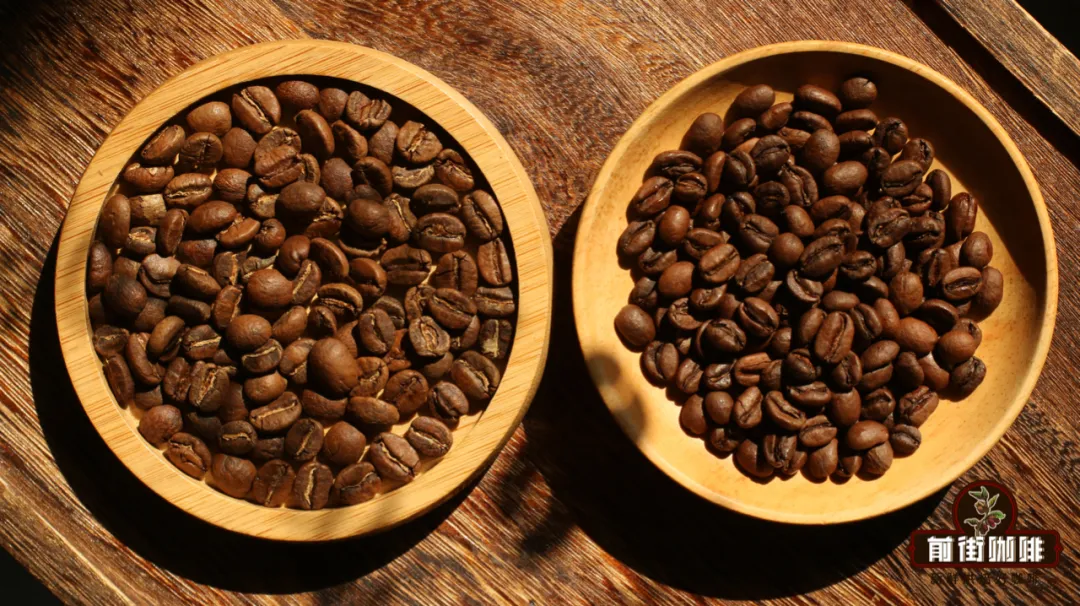
There are alsoTTandTgrades, which consist of the remaining beans after lightweight ones are removed from AA, AB, and C grades using an air classifier. These beans, being lighter in weight, usually do not have as stable a quality as the higher grades.MH/MLis a relatively lower-grade category, where beans are generally not processed using Kenya’s typical washed method and are mostly supplied to the local market rather than exported overseas.
At this point, you might think: “The bigger the bean, the higher the grade, and the better the flavor.” But this is actually a common misconception. In reality, the flavor of coffee beans is mainly influenced byvariety, altitude, processing method, roasting technique, and brewing methodamong other factors. Experiments have shown that even the same coffee variety grown in the same region can produce vastly different flavor profiles if cultivated at altitudes differing by 800 meters. Therefore,judging flavor quality solely based on bean size is actually not accurate.

In summary, while Kenya’s grading system is primarily based on bean size, it is currently one of the few in the world that is implemented with the strictest and most standardized criteria. Understanding the differences between AA, AB, PB, and other grades can help consumers make more informed choices when purchasing. However, if you truly want to enjoy a great cup of coffee, it’s recommended to also consider factors such as origin, altitude, processing method, and roast level to find the one that best suits your taste.
The above content is compiled by CoffeeHunters, a coffee news website.


