







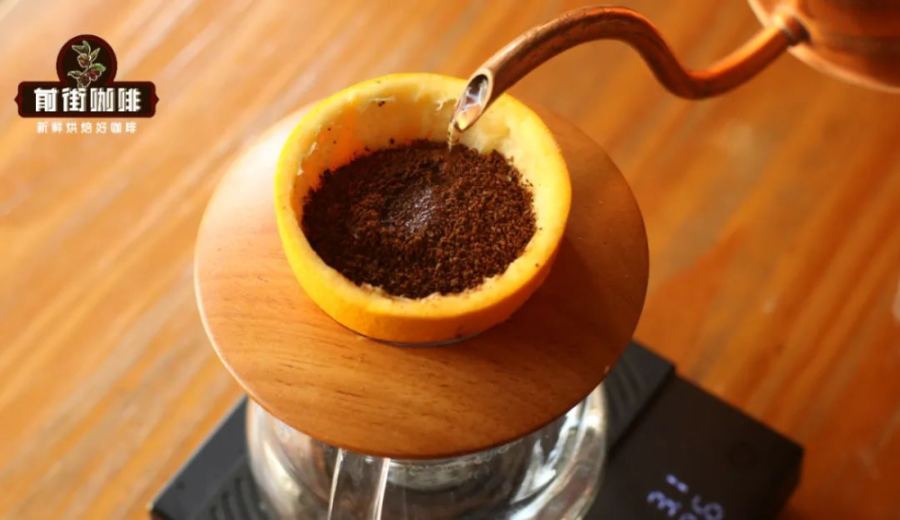
Introduction:Want to try a different pour over experience? This article provides a detailed record of the complete process of transforming fresh orange peels into a pour over dripper — from selecting the fruit, hollowing it out, poking holes in the bottom, to the brewing parameters and flavor profiles when using two different single-origin coffees. In addition to sharing the reasons for the initial failure and subsequent adjustments, we’ve also compiled three practical key details to help you avoid common pitfalls and successfully brew a unique coffee with a refreshing citrus character.
Have you heard of the creative idea of making a DIY pour over dripper from a fresh orange peel? This experiment, which once sparked heated discussion on social media, has recently regained popularity in more varied forms. Out of curiosity, we went through the entire process ourselves — from choosing a suitable orange, scooping out the pulp, poking holes in the bottom, to conducting actual extraction tests with different coffees. The first attempt failed due to overly small holes at the bottom, resulting in poor water flow and over-extraction of the coffee grounds, producing noticeable bitterness. After the second adjustment — increasing the hole size and altering the grind size — we finally succeeded in brewing a unique coffee with citrus aroma, blueberry sweetness, and black tea texture. This article will fully present the experimental steps, parameter settings at each stage, and summarize the three key points worth noting during the hands-on process, offering a reference for coffee enthusiasts who enjoy experimenting.
The inspiration for this creativity actually came from a viral DIY video of an “orange peel dripper” that took the internet by storm two years ago. What was initially just a short-lived trend has recently resurfaced in more diverse forms, showing that the creativity and experimental spirit of coffee lovers never fades.
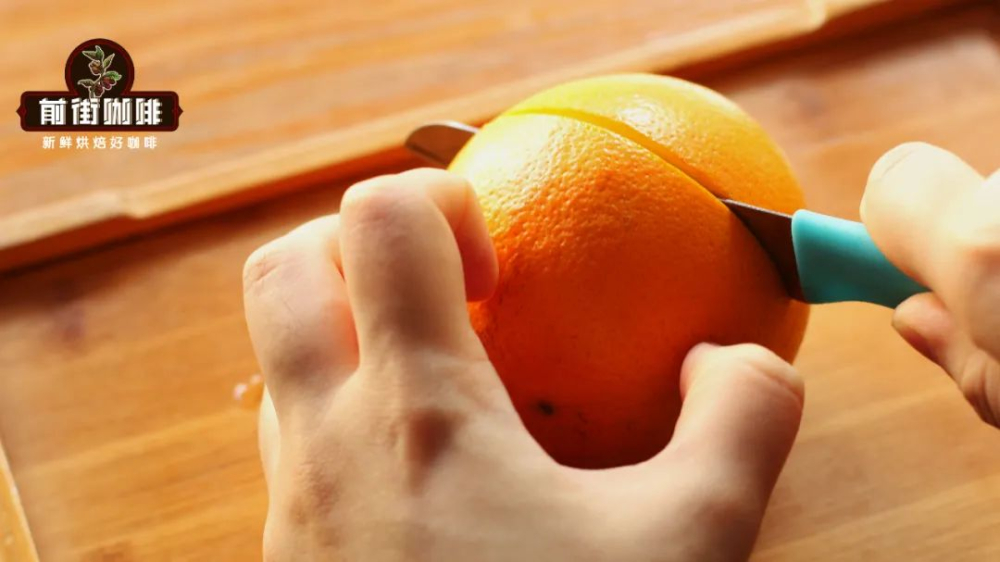
First, we need a fresh orange with an intact appearance and juicy pulp. It’s recommended to choose a slightly larger variety to facilitate subsequent operations and accommodate the coffee grounds. Thoroughly wash the orange, then cut it in half from the middle. Next, use a pointed teaspoon to carefully and completely scoop out all the inner flesh, ensuring the inner wall is clean with no residue left.(This is not only to avoid affecting the purity of the coffee but also to prevent the pulp from rotting and causing off-flavors.)
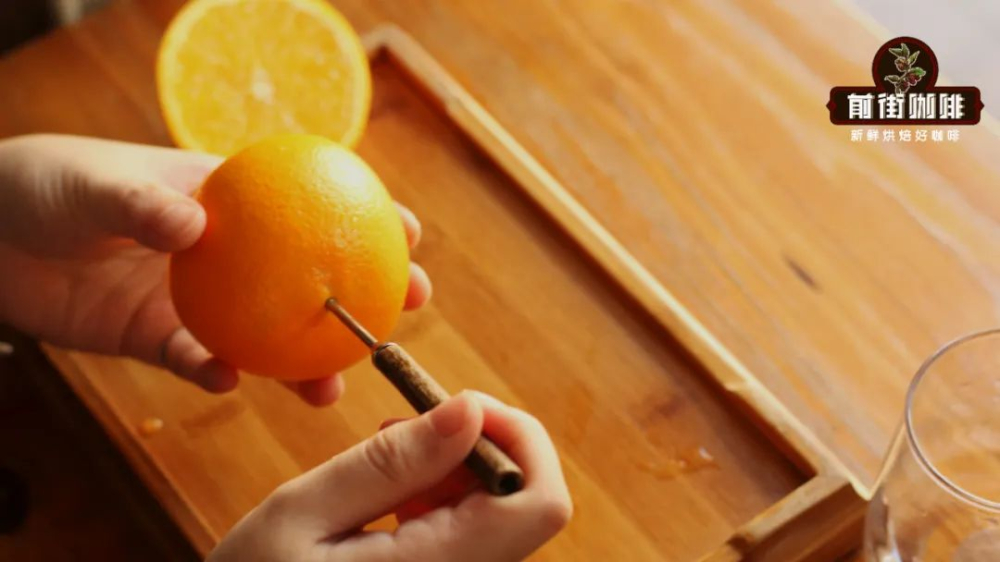
Then, prepare a sharp awl, such as a latte art needle, and evenly poke multiple small holes starting from the center of the bottom of the orange. These holes will serve as the crucial passages for the coffee liquid to flow out. It’s recommended to create at least around 15 evenly sized and translucent holes to ensure smooth water flow later. This step is very critical — if the holes are too small or unevenly distributed, it can easily lead to poor drainage in the final stage, resulting in severe clogging and over-extraction.
To prevent coffee grounds from leaking out from the bottom, we place a round piece of filter paper after poking the holes, ensuring it adheres tightly to the inner wall of the orange peel. At this point, you can choose a coffee bean with a relatively balanced flavor profile for the first test, such as the Guatemalan New Oriental Geisha we used initially, known for its stable acidity-sweetness balance and moderate body as a benchmark.
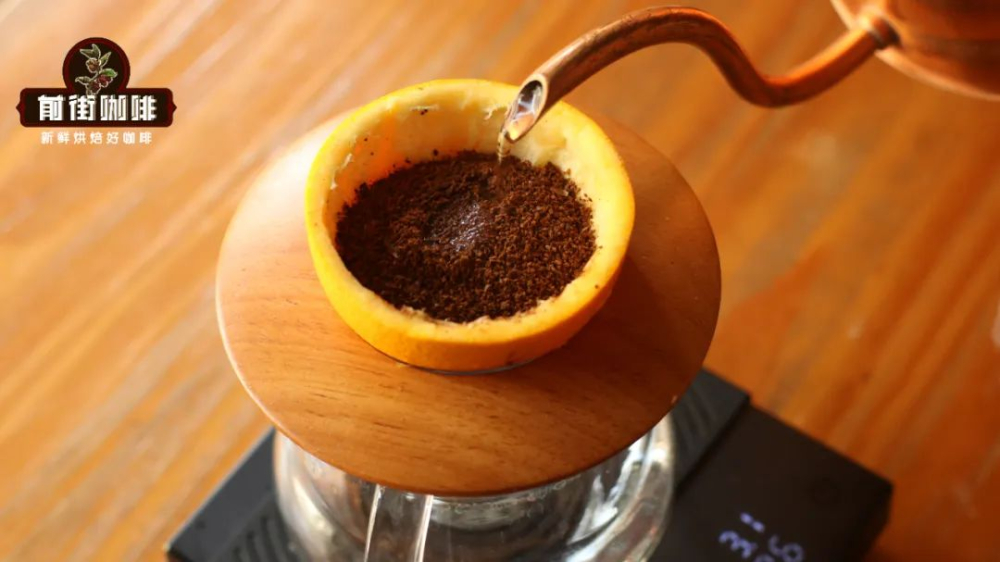
Due to the limited capacity of the orange itself, only about12 gramsof coffee grounds can be used. Other extraction parameters are set as follows: the coffee-to-water ratio1:15, using the EK43 grinder set to10 clicks(approximately medium-fine grind), water temperature maintained at90°C, and using a four-stage pouring method. First, pour30 gramsof hot water for a 30-second bloom, during which a distinct citrus aroma can be detected. Then, in the second stage, pour50 gramsof water using slightly more water flow to lift the coffee bed, taking about 45 seconds to complete, followed by letting the coffee liquid slowly drip through. The third and fourth stages each involve pouring another50 grams, bringing the total water volume to180 grams.
However, during the final filtration stage, the drainage speed of the orange peel dripper noticeably slowed down. Even after 3 minutes, the target water volume had not been reached, and the entire extraction process ended up taking5 minutes and 12 seconds— clearly over-extracted. As a result, while the coffee had an orange scent, the overall taste was dominated by astringency, with bitterness overpowering the intended fruit acidity and layered complexity. Even though slight fruit acidity returned upon cooling, it couldn’t mask the flaws of over-extraction.
Learning from the first attempt, the second time we changed our strategy: first, we used a knife to cut a circular large hole with a diameter of about3 centimetersat the bottom of the orange peel, significantly increasing the drainage area. At the same time, we adjusted the grind size toEK43s 10.5 clicks(slightly coarser), and switched to a more expressive Costa Rica Baha coffee bean. The coffee dosage remained at12 grams, with the same coffee-to-water ratio1:15, water temperature90°C, and also using the four-stage pouring method.
This time, the initial drainage speed did improve, but because the inner pulp of the orange peel tended to trap fine grounds, there was still a slight fluctuation in the final stage. However, the overall dripping time was still kept tojust over 3 minutes. Notably, the final brew of the Baha coffee exhibited a clear citrus aroma, with flavors upon entry including blueberry, dried fruit, grape juice-like sweetness, and a soft black tea texture, along with a hint of elegant floral notes in the aftertaste. The overall performance not only avoided the bitterness and dryness of the previous round, but also delivered a richer layering, fully showcasing the unique charm of the orange peel dripper.
After this hands-on experimentation and adjustment, we’ve summarizedthree important detailsfor using an orange peel as a pour over dripper: First, it’s recommended to choose a relatively large orange and control the coffee dosage between10–13 gramsto help maintain a stable pouring and extraction rhythm. Second, the drainage holes at the bottom must be sufficiently large to avoid the risks of clogging and over-extraction in the final stage. Third, due to the highly experimental nature, it’s advisable to use more affordable coffee beans to avoid wasting high-end specialty beans due to operational errors.
In summary, while the orange peel dripper isn’t suitable for daily use, as a fun coffee experiment, it not only brings a novel tactile experience but also allows you to discover unexpected flavor layers when the brew succeeds. Next time you have a fresh orange, why not give it a try? Perhaps you’ll brew your own unique specialty coffee too.

The above content is compiled by CoffeeHunters, a coffee news website.


