







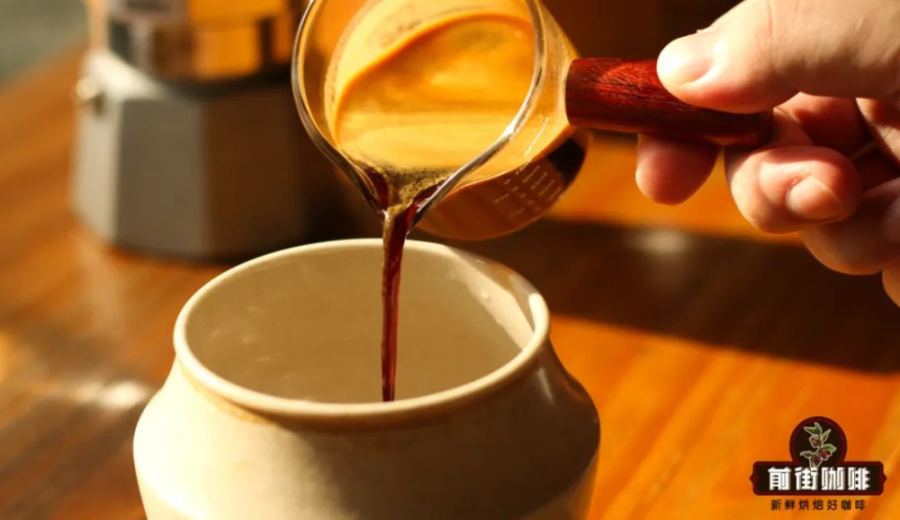
Introduction:Many coffee enthusiasts often discard the first shot of espresso when using a semi-automatic espresso machine. This is not wasteful but rather a key step in maintaining both coffee quality and machine performance. This article delves into why the first shot of espresso is unsuitable for drinking, introduces the morning routine of professional coffee shops, and explains the correct usage and importance of backflush detergent—helping readers establish a professional approach to espresso machine maintenance.
When using a semi-automatic espresso machine at home, many users notice that the first shot of espresso after turning on the machine each day is often poured out directly. Though it may seem like a waste, this action is actually an important procedure followed by both professional baristas and experienced coffee enthusiasts. The discarded shot of espresso is based on multiple considerations related to the machine’s condition, extraction stability, and flavor purity.
The reason the first shot of espresso is not suitable for drinking mainly lies in the fact that after the espresso machine has not been used for a long time, residual coffee liquid and fine coffee particles from the previous extraction often remain in the brew head, delivery tubing, and shower screen. These residues, after sitting for several hours, may have oxidized, dried out, or even developed off-odors. As a result, the first shot of espresso essentially serves as a “tubing flush,” carrying out these stale impurities along with it, leading to a murky flavor, pronounced bitterness, and possibly even undesirable residues—negatively affecting taste and even health.
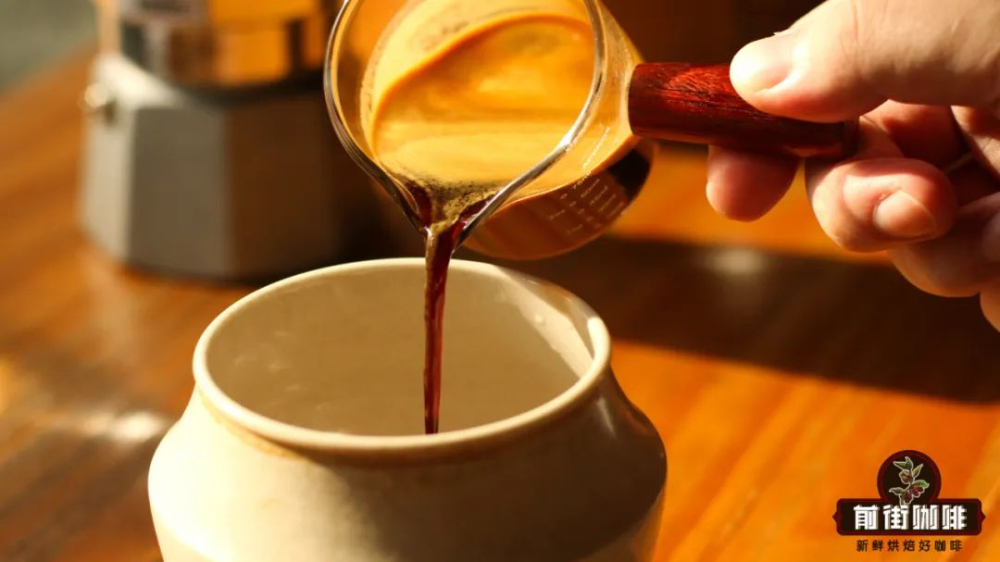
Additionally, in the early stages of machine startup, various extraction parameters have not yet stabilized. Boiler water temperature, brew head temperature, and tubing pressure may not yet be at their ideal levels. Furthermore, the portafilter and brew head are still cold. Under these conditions, the extracted coffee—whether in flow rate, concentration, or flavor—does not accurately represent the true characteristics of the coffee beans being used that day. For this reason, the first shot of espresso is generally considered a “test extraction,” aimed at allowing the machine to warm up and bringing the relevant parameters back to stability, so that grind size and dose can then be adjusted to extract a balanced shot of espresso.
So, what exactly does a professional coffee shop do during its daily morning routine before opening? First, they check the water tank or water inlet system to ensure the water is clean and the supply is sufficient; then they start the espresso machine, allowing the boiler to heat up to the preset temperature, while also opening the steam valve to release any accumulated condensation inside. Subsequently, they usually release a portion of hot water to rinse the brew head and clean the shower screen and gasket, ensuring smooth and hygienic extraction afterward.
After completing the above preliminary preparations, a small amount of coffee beans is ground to produce the first shot of espresso, known as the “flush shot.” This shot is typically not for drinking but is discarded directly. This step not only helps remove residual impurities but also allows the barista to observe the flow rate and initial flavor, thereby fine-tuning the grind setting and extraction parameters until a standard-compliant shot of espresso is achieved. Some shops also use this stage to inspect the grinder burrs, clear any clumps in the bean hopper, and test the steam wand’s milk frothing performance, ensuring all equipment is in optimal condition.
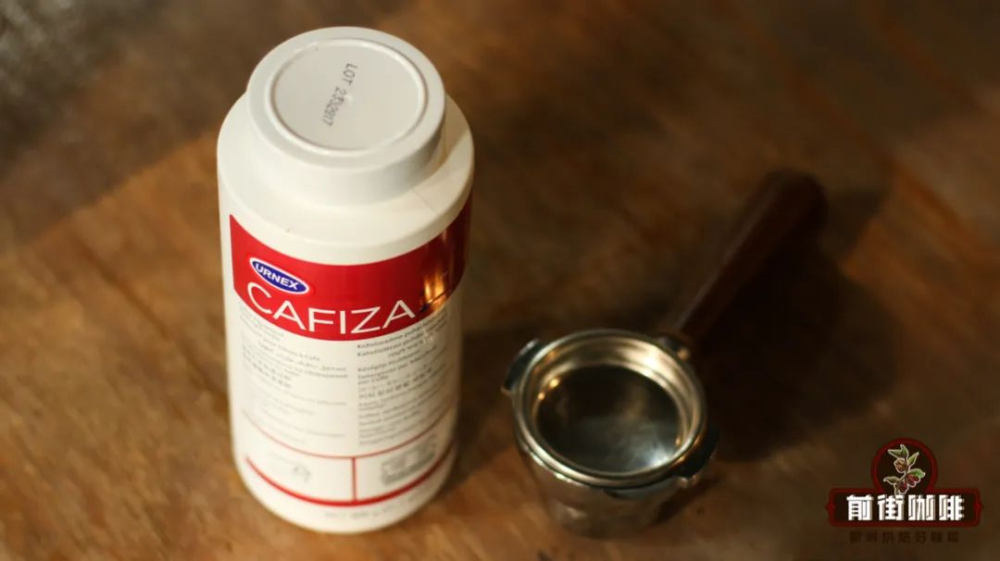
Throughout the entire morning routine, espresso backflush detergent plays an indispensable role. This specialized cleaning agent is primarily used for deep cleaning key components such as the brew head, shower screen, and portafilter basket. Although daily morning routines mostly involve rinsing with water and purging, the detergent is generally used on a weekly or longer cycle to effectively break down and remove long-accumulated coffee oils and coffee residue.
The correct way to use espresso backflush detergent is usually to pour the detergent into a designated “blind basket” (i.e., a portafilter basket without a filter), then attach the portafilter to the brew head, initiate the extraction process, and allow the cleaning solution to circulate through the tubing. Afterward, rinse thoroughly with plenty of water to ensure no detergent residue remains. Neglecting this step over the long term may lead to stubborn oil buildup inside the brew head, not only affecting the evenness of water flow but also imparting off-flavors to the coffee, thereby compromising overall flavor performance.

Referring to the operational experience of professional coffee shops, for instance, the industry consistently adheres to the principle of “rinse first, calibrate next, then serve” in daily maintenance. For users of home semi-automatic espresso machines, this same process can be followed: after turning on the machine each day, prioritize discarding the first shot of espresso and rinse the brew head with hot water before beginning the actual extraction process. Moreover, when using backflush detergent, be sure to choose a food-grade, specialized product, and follow the instructions for proper dilution and usage to avoid detergent residue affecting the flavor of subsequent coffee.
In summary, the reason the first shot of espresso is discarded is not meaningless waste, but rather to ensure the cleanliness of the espresso machine and the stability of extraction parameters. This “flush shot” is both a necessary step for cleaning the tubing and a foundation for calibrating extraction conditions. Understanding this process not only helps us appreciate the professionalism behind coffee but also fosters more scientific and healthier operational habits in our own coffee corners.
The above content is compiled by CoffeeHunters, a coffee news website.


