







Introduction:Since the onset of autumn last year, Brazil has been hit by persistent severe drought and wildfires, with agricultural hubs suffering the most. Particularly hard-hit are key coffee-producing regions such as Minas Gerais and São Paulo, which have not only faced scarce rainfall but also devastating wildfires and “black rain” pollution. The coffee industry has incurred heavy losses, with agricultural damage estimated at up to 2 billion Brazilian reais. This article delves into the current disaster’s impact on coffee cultivation and future harvests, as well as potential shifts in global market price trends.
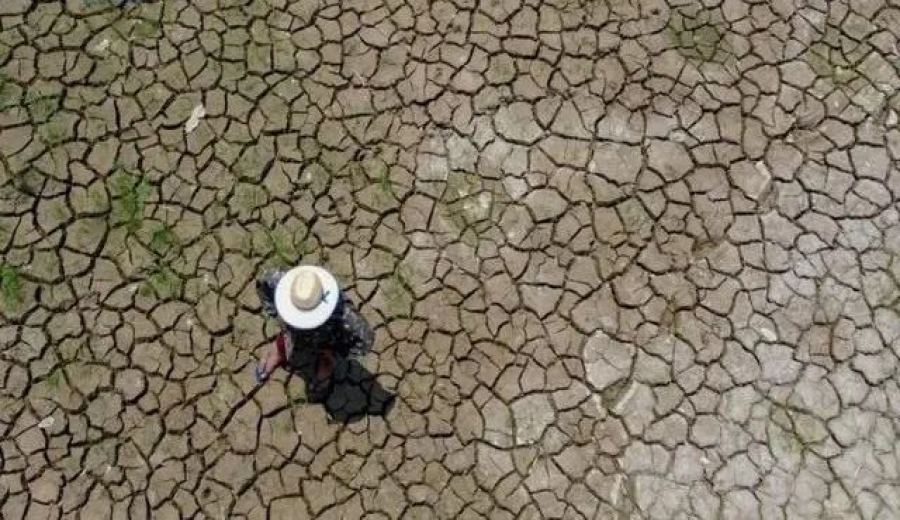
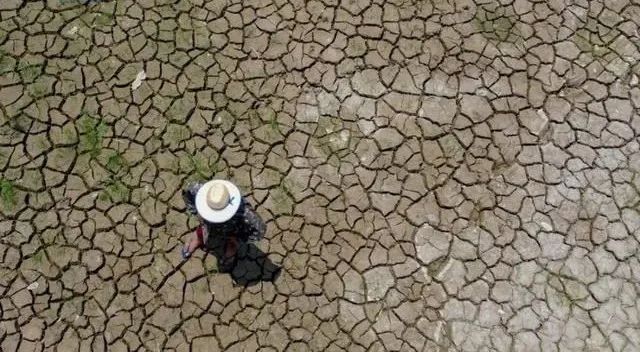
Since entering spring in September last year, Brazil’s drought and fire situation has not only failed to improve but has continued to worsen, posing a significant threat to agriculture and ecosystems. In Minas Gerais, multiple cities have experienced prolonged periods without rainfall, with some areas going more than 158 days without any rain, leading to the complete drying up of the renowned Bom Despacho waterfall and severely impacting the local landscape and ecology.
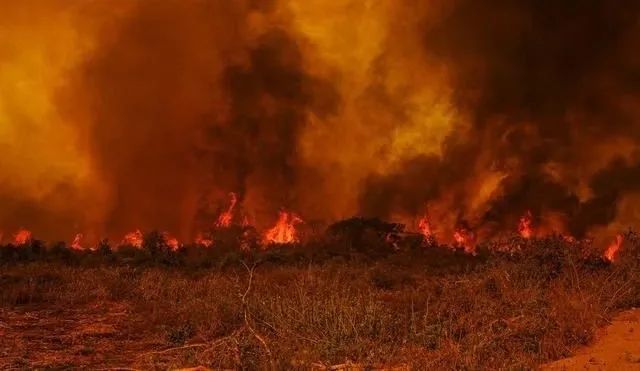
Meanwhile, the situation in São Paulo is equally dire. Although fires were briefly brought under control at the end of August and 46 cities entered an 180-day state of emergency, recent flare-ups have reignited blazes, affecting at least 12 cities once again, with many areas still not fully extinguished. The fires have not only destroyed vast forests and farmland but also severely damaged local sugarcane plantations, coffee-growing regions, and ranches.
A spokesperson from the São Paulo State Department of Agriculture pointed out that agriculture is the economic lifeline of the state, and these wildfires have mainly ravaged coffee and sugarcane-growing areas. Additionally, the massive amounts of smoke generated by the fires have caused secondary disasters affecting soil and air quality, further impacting the growth of future crops. Preliminary estimates indicate that this wave of fires has caused approximately 2 billion reais in economic losses.
Currently, many areas in São Paulo remain shrouded in thick smoke, with air pollution indices remaining high and visibility extremely poor. This not only disrupts transportation but also poses a threat to residents’ health. Brazil’s meteorological authorities have issued alerts predicting that due to high levels of airborne pollutants and the approaching cold front from the south, the phenomenon known as “black rain” is expected to occur in five states: Rio Grande do Sul, Santa Catarina, Paraná, São Paulo, and Mato Grosso do Sul.
“Black rain” refers to rainfall that may not necessarily appear black in color but contains high concentrations of harmful pollutants, commonly occurring in areas with frequent wildfires or heavy fossil fuel combustion. Once this type of rain falls, it can contaminate surface and groundwater, adversely affect plant growth, building exteriors, and infrastructure, and over the long term, may lead to soil acidification and ecological imbalance.
In addition to wildfires and drought, approximately 3,978 cities across Brazil are now experiencing varying degrees of water scarcity. Among them, 201 cities are in a state of extreme drought, with aridity levels approaching those of the Sahara Desert in Africa. According to Brazil’s National Institute of Meteorology, the situation has been further exacerbated by rapidly declining river levels, frequent wildfires, and widespread pollution, putting even greater pressure on agricultural production and residential water use in the future.
Against this backdrop, the Brazilian government has officially written to the European Union, requesting a delay in the implementation of the deforestation-free regulation (EUDR), originally scheduled for the end of 2024. This regulation will cover various agricultural products, including coffee, and impose strict controls on the deforestation status of the source regions of imported goods. Once implemented, it could affect Brazil’s agricultural exports to the EU, potentially amounting to 15 billion US dollars—over one-third of Brazil’s total exports to the EU.
Currently, international coffee market prices continue to rise. Aside from reduced yields in Brazil’s producing regions due to drought and wildfires, other major origins such as Vietnam and Indonesia have also reported poor production. Moreover, many European traders, concerned that the EUDR regulation will impact future import compliance, have ramped up purchases in advance, further driving up market prices.
For Brazil’s coffee industry, which is about to enter a new harvest season, the situation is concerning. This is a critical period for coffee tree flowering and growth, but ongoing drought, high temperatures, water shortages, and pollution could all significantly impact both coffee yield and quality. If the new season sees a sharp drop in output, coupled with export restrictions after the official enforcement of the EUDR regulation, Brazil’s coffee industry may face an unprecedented double blow.
Industry insiders generally believe that if the situation continues to deteriorate, it will not only affect the income and employment of local Brazilian farmers but could also trigger a chain reaction in the global coffee supply chain and consumer markets, further driving up retail prices and influencing consumer choices.
The above content is compiled by CoffeeHunters, a coffee news website.


