







Introduction:Luckin Coffee’s recently launched Qingqing Jasmine quickly became a top-selling hit thanks to its affordable price and refreshing taste, being hailed by consumers as an “affordable alternative to Boyajue Xianxian.” However, what seems like a successful milk tea product has become a major source of preparation pressure for internal staff. What specific preparation processes are causing bottlenecks in stores? What challenges do employees face? This article takes an in-depth look at the production difficulties of Qingqing Jasmine and explores the balance between store operations and employee workload.
Luckin Coffee has recently garnered significant attention through collaborations and new product launches. Among them, a milk tea called “Qingqing Jasmine” has been praised by many consumers for its refreshing flavor and great value, earning it the nickname “affordable alternative to Boyajue Xianxian,” and rapidly climbing to the top of sales charts in multiple stores. However, in stark contrast to its impressive sales performance, the internal response from employees has been quite negative.
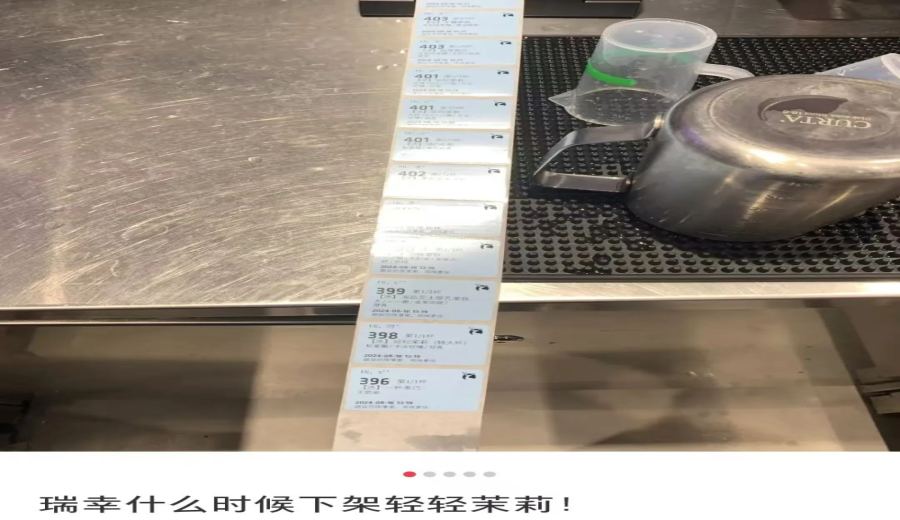
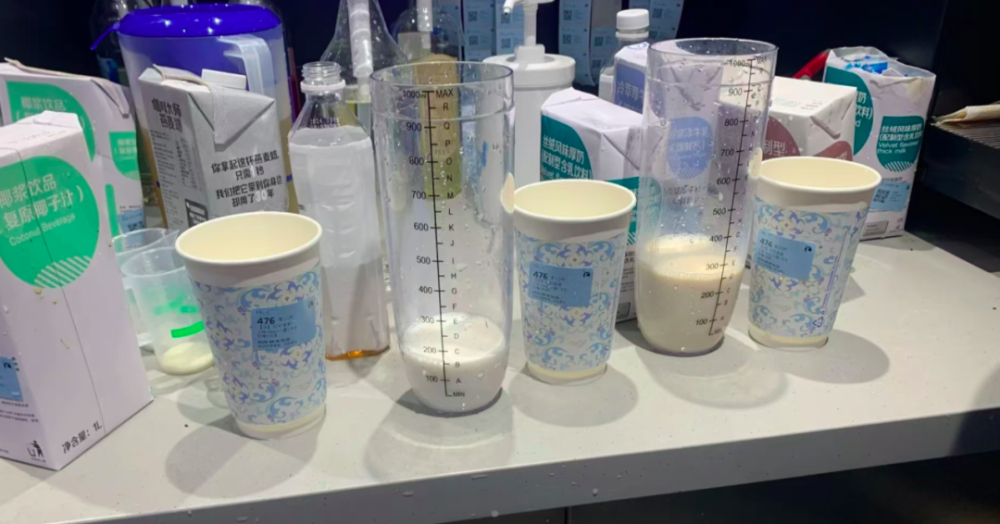
Many Luckin baristas have expressed dissatisfaction with Qingqing Jasmine on social platforms, even calling for its discontinuation. The main reason is that this product is prepared using the traditional method of shaking with a shaker bottle, requiring each cup to be manually made by staff. The overall process is more complicated than that of regular milk teas, significantly impacting service efficiency.
Especially during peak order times, when multiple orders containing Qingqing Jasmine come in simultaneously, staff often find themselves caught in a repetitive cycle of “shaking one cup, washing the shaker bottle, then shaking the next.” This not only slows down overall service speed but also easily leads to customer dissatisfaction and complaints about delays. If there are other non-milk tea products waiting to be prepared, the work pressure on baristas increases exponentially.
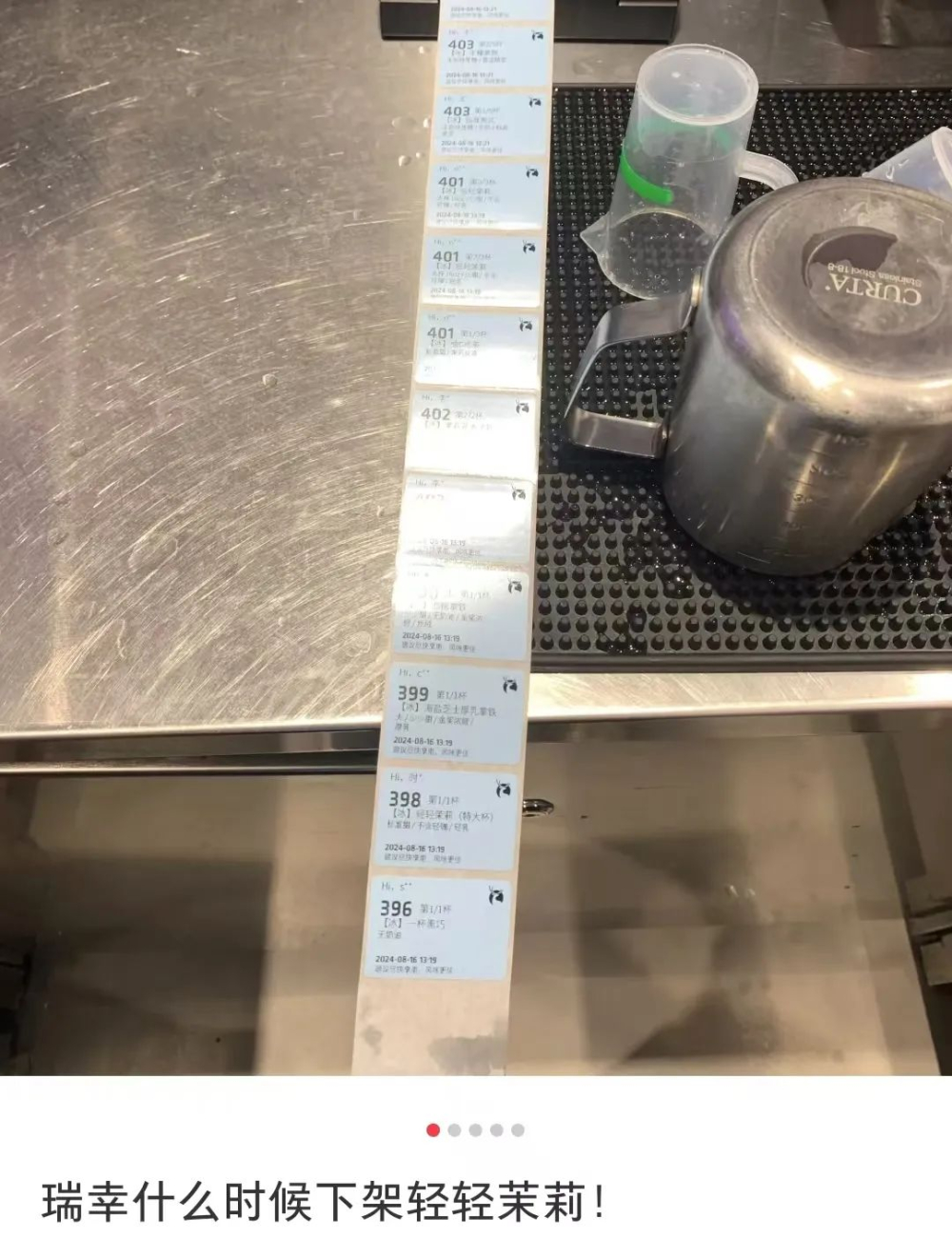
Some staff have reported that due to the high demand for Qingqing Jasmine, the store’s order complaint rate has noticeably increased, with many customers lodging complaints about excessively long wait times. Some baristas, in an attempt to speed up the process, have tried substituting shaking with stirring to save time, but this approach often results in uneven taste and fails to meet quality control standards, leading to even more returns.
What worries staff even more is that, according to internal information, Luckin plans to launch more new products requiring shaker bottles next week, with further expansion of its milk tea product line in the future. This has put even greater pressure on frontline staff, with some even joking that “just imagining the future workload is suffocating.” Some stores have already begun urgently purchasing additional shaker bottles to meet the preparation demands brought by future product expansions.
For employees, Qingqing Jasmine has become an “efficiency black hole.” Many have said, “The coffee machine is almost idle—we spend all day shaking Qingqing Jasmine,” “Every time I see these four characters on an order, I get a headache,” and “I hope it gets taken off the menu soon.” Some staff have directly questioned management decisions, believing the brand should more comprehensively assess the real impact of products on operations and manpower.
Although employees generally hope Qingqing Jasmine will be discontinued as soon as possible, according to the latest internal operational plans, Luckin has no intention of removing it from the menu. Instead, the company plans to launch more milk tea products of the same type to meet market demand. As a result, staff can currently only hope for brief “breathing room” when raw materials are temporarily in short supply, allowing them to escape the cycle of frequent tea shaking.
Faced with the current situation, many frontline employees suggest that the brand should consider clearer differentiation between its milk tea and coffee product lines—such as referencing the previous independent operation model of “Xiao Lu Tea”—or adjusting store staffing and equipment ratios. Suggestions include hiring dedicated milk tea preparers or providing more shaker bottles and workspace to reduce the burden on existing baristas.
In summary, although Qingqing Jasmine has received positive reviews and strong sales in the consumer market, its complex preparation process has exposed coordination challenges between Luckin’s product design and store operations. How to expand the product line while balancing employee efficiency and customer experience will be a key area the brand needs to continuously optimize in the future.
The above content is compiled by CoffeeHunters, a coffee news website.


