







Introduction:Colombia’s coffee industry is facing a dual crisis — the lingering effects of El Niño have caused severe water shortages, and the cancellation of fuel subsidies has triggered large-scale truck driver blockades, impacting every stage of coffee production and export. Understanding how this crisis affects the coffee supply chain, and how farmers and industry players can respond, is crucial for the global coffee market.
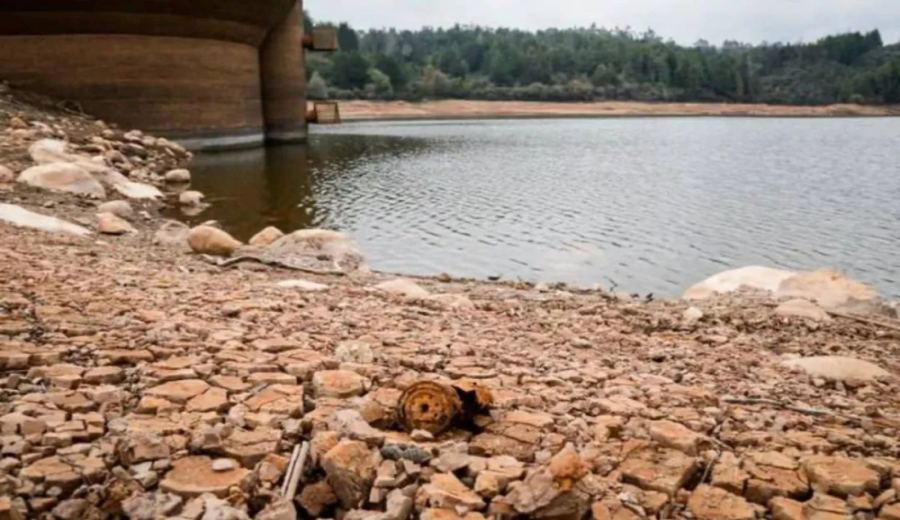
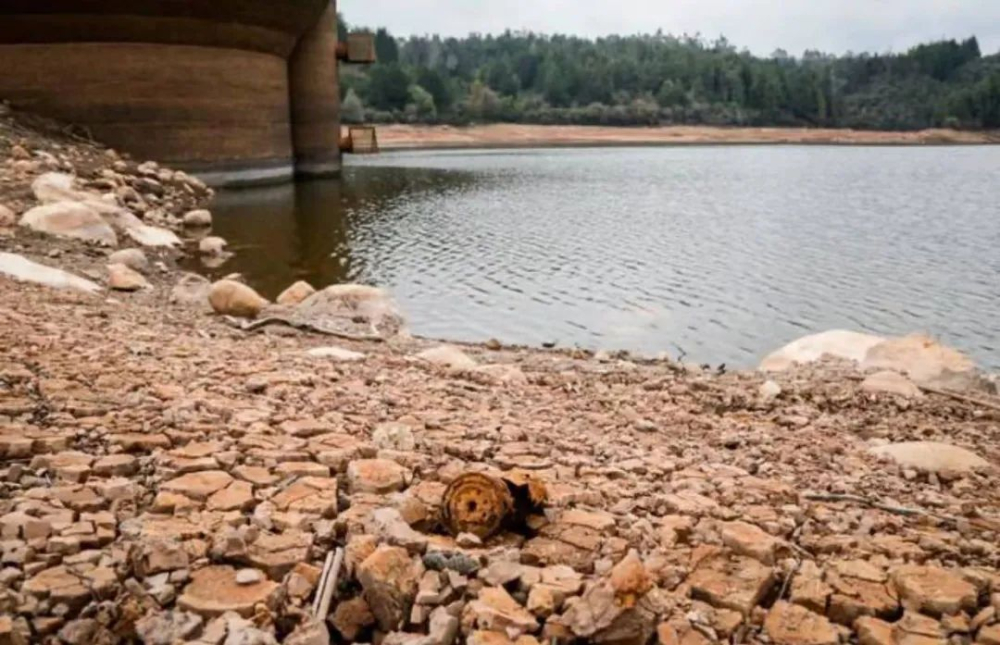
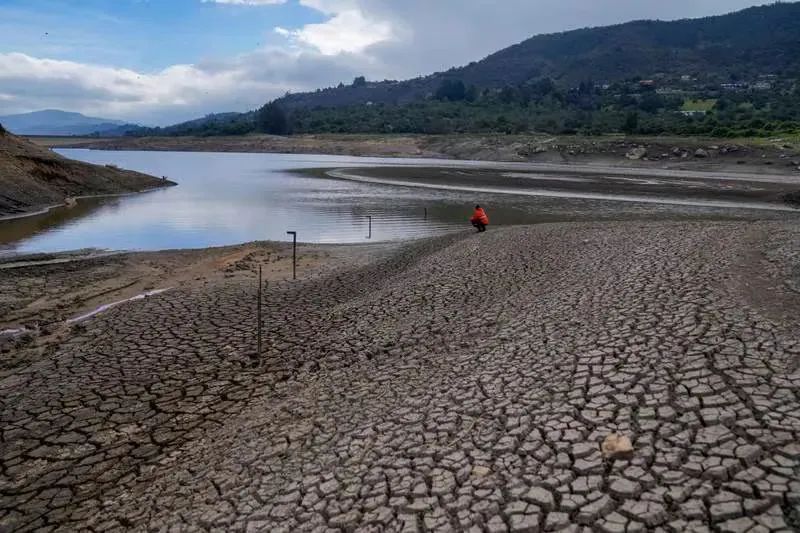
Although the Colombian government officially announced the end of the El Niño phenomenon in July this year, its aftermath remains profound, especially in terms of water supply and agricultural production. Take the capital Bogotá, for example: the water supply capacity of its main source, the Chingaza Dam, has been continuously declining, dropping from 52% at the beginning of August to 38.84% this week. Faced with such a tight water supply, local drinking water authorities have implemented stricter water-saving measures and penalty mechanisms.
At the same time, the recent cancellation of fuel subsidies by the Colombian government has led to a rise in diesel prices, quickly sparking nationwide protests by truck drivers. These drivers have blockaded roads in multiple regions, especially along key port access routes in areas like the Valle del Cauca department, paralyzing the logistics chain that transports coffee from growing regions to export ports. For the coffee industry, it is not only grappling with irrigation pressures brought by drought but also facing trade risks due to delayed exports.
A report from Colombia’s Institute of Hydrology, Meteorology and Environmental Studies (Ideam) shows that although El Niño has officially ended, its residual effects are still unfolding. Currently in the summer and dry season from August to September, high temperatures and extremely scarce rainfall are further worsening the water resource situation.
Especially in Bogotá and surrounding areas, which rely on three main water sources, the Chingaza Dam provides about 70% of the water, with the rest coming from northern and southern reservoirs. However, the Chuza Reservoir within the Chingaza Dam — the largest single reservoir by storage capacity, which normally holds about 220 million cubic meters of fresh water — has seen a significant drop in its water level. This year, rainfall in the region has been severely below average, with several months seeing almost no rain, preventing the reservoirs from receiving adequate replenishment and further exacerbating the water supply crisis.
As early as April this year, Colombia had already issued water shortage warnings and declared a state of natural disaster. Although the situation improved somewhat after the rainy season began at the end of April, actual rainfall was less than expected and failed to effectively alleviate the drought. After entering the dry season in July, the water shortage problem worsened again and has continued to the present. Making matters worse, many South American countries, including Colombia, are being hit by both high temperatures and drought, with some regions even experiencing large-scale wildfires. The Cauca department reported its worst fires in nearly 30 years, which not only destroyed large amounts of coffee and other crops but also polluted and damaged local water sources.
Faced with the increasingly severe water supply situation, Colombia’s Water and Basic Sanitation Regulatory Commission (CRA) has introduced a series of new regulations, including stricter charges for excessive water users and penalties for companies and bulk water contracts that fail to meet water-saving targets. While these measures aim to rationally allocate precious water resources, they also put coffee growers in a dilemma: on one hand, coffee crops require more irrigation to sustain growth in a drought; on the other hand, excessive water use may lead to fines and water supply interruptions.
Before the water supply crisis is resolved, logistical bottlenecks have followed. At the end of August, the Colombian government announced an increase in diesel prices and the cancellation of fuel subsidies, sparking strong dissatisfaction among truck drivers. Starting from September 2, road blockades and protests occurred in multiple parts of the country, especially in the Valle del Cauca department — which houses Colombia’s main coffee export ports. Now, blocked roads have caused serious delays in coffee transportation. Industry insiders are concerned that if this round of strikes continues, it could repeat the scenario during the national protests in 2021: at that time, road blockades nearly reduced coffee exports in May to zero. Whether this crisis will once again severely impact exports has become a major concern for the industry.
For the global coffee market, Colombia is the world’s second-largest exporter of Arabica coffee, and the stability of its production directly affects international market supply and prices. Faced with the double blow of drought and logistics issues, not only do local farmers need to adjust their irrigation strategies and crop management, but the entire supply chain also needs to find more flexible response solutions to reduce the impact of similar crises in the future.
The above content is compiled by CoffeeHunters, a coffee news website.


