







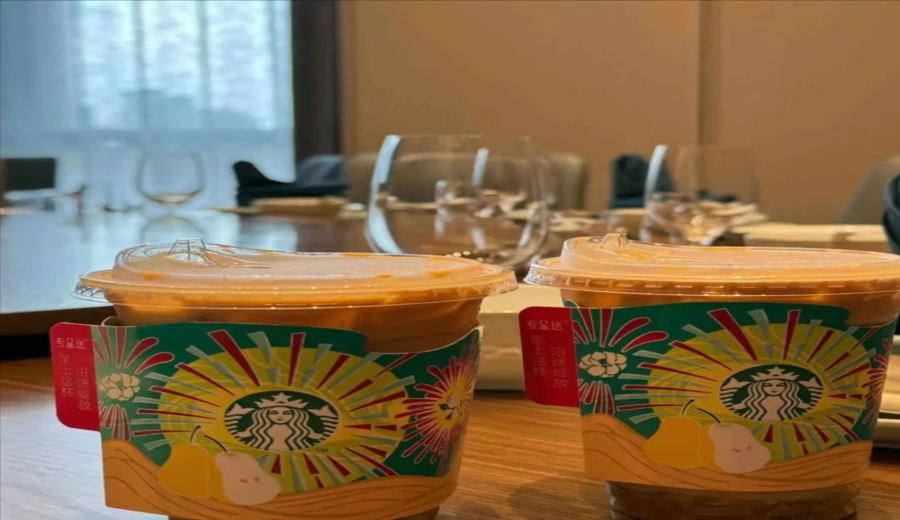
Introduction:Starbucks recently launched four new products through its "Star Delivery Time-Space Series," among which two caffeine-free milk tea beverages sparked market discussions. This foray into the tea beverage segment is not only an indirect response to competitors like Luckin but also reflects the brand's exploration of localized tastes. Can this milk tea priced at 36 yuan hold its ground in the fiercely competitive tea beverage market? This article will delve into product features, market feedback, and the current competitive landscape.
Starbucks has recently introduced four new products in its Star Delivery Time-Space Series, with the most eye-catching being two caffeine-free milk tea drinks. This move quickly caught the attention of consumers and industry insiders, with many observers viewing it as a potential signal that Starbucks, spurred by brands like Luckin, is attempting to enter the milk tea market.
These two newly launched milk teas primarily consist of syrup, freshly brewed tea, and milk — a seemingly simple combination yet with thoughtful design. Unlike common milk teas on the market, Starbucks chose to leave the tea bag in the cup rather than fully extracting and filtering it out. This design allows customers to add water later and continue enjoying the tea aroma, making full use of the tea bag. This approach is similar to the brand’s first trial in the Time-Space Series last year, which received praise from some consumers for its gradually released flavors.
However, such innovation is not without controversy. Some customers have pointed out that having the tea bag remain in the cup means they have to handle it themselves, adding an extra step compared to regular ready-to-drink milk teas, which can feel slightly inconvenient. Additionally, some consumers specifically noted that when opting for the cold version, the flavors from the tea bag do not fully release during delivery, resulting in a weaker tea taste upon arrival — not as rich as expected and somewhat different from the usual milk tea experience.
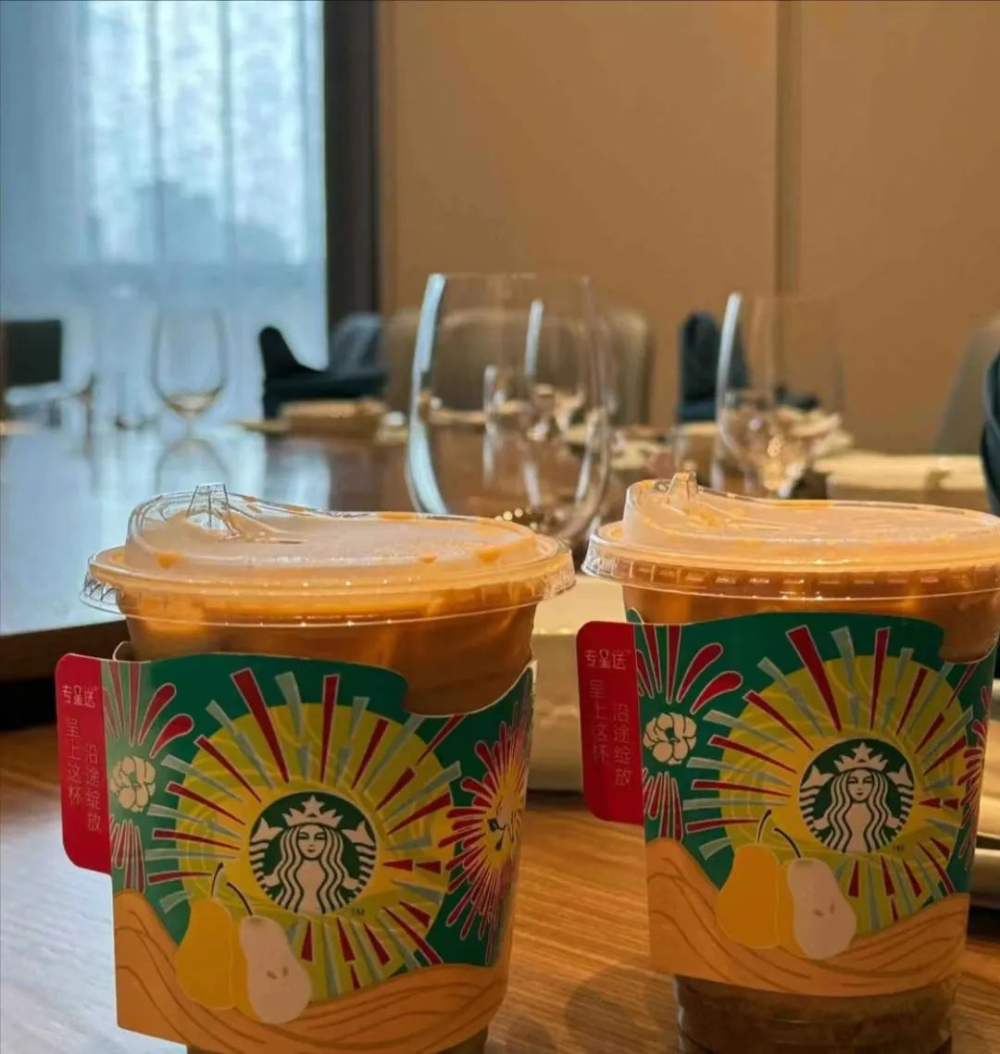
In terms of pricing, this milk tea is set at 36 yuan, placing it in the mid-to-high price range in the market. While using coupons on certain third-party platforms can bring the price down to around 20 yuan, for many milk tea enthusiasts, this price point remains relatively high. Compared to their usual more affordable milk tea brands, value for money becomes a key point of contention. Many consumers have openly stated that, given the same budget, they would prefer to choose other well-known milk tea brands.
In fact, this is not Starbucks’ first attempt at milk tea products. As early as early May this year, the brand launched a drink called "Summer-Berry Refreshers" in the North American market, which included raspberry-flavored pearls in an effort to align with the popularity of bubble tea. However, the product received generally lukewarm reactions after its local launch and failed to generate much consumer enthusiasm.
With this China-market-targeted milk tea, Starbucks has clearly made deeper localization adjustments. From ingredient selection to flavor design, it is more in tune with the preferences of local consumers, demonstrating the brand’s observation of and response to market demand. Yet, in an already intensely competitive tea beverage market, mere "thoughtfulness" and "localization" seem insufficient to win over consumers.
Take Luckin, another player that has ventured into the milk tea market, as an example. Its "Light Jasmine" milk tea, priced at an affordable 9.9 yuan, sold over 44 million cups within just one month, becoming a successful case of the brand’s crossover into tea beverages. Such results undoubtedly put pressure on other brands and highlight the importance of competing on both price and flavor.
Overall, although Starbucks’ newly launched milk tea shows sincerity in terms of ingredient authenticity and some design details, it still faces significant challenges in standing out in the tea beverage market against numerous cost-effective and flavor-mature competing products. If the brand hopes to continue developing in this segment, finding a better balance between price, flavor, and convenience will be a crucial issue to consider.
The above content is compiled by CoffeeHunters, a coffee news website.


