







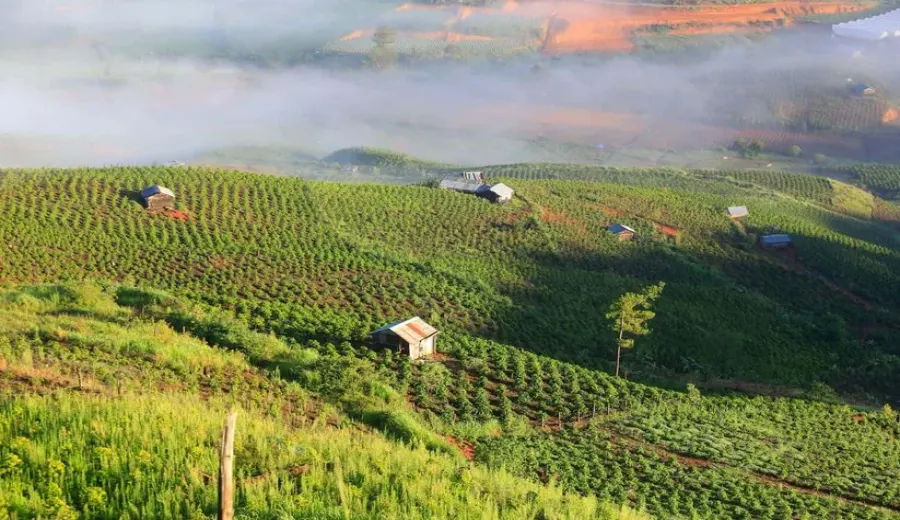
Introduction:As the world’s fourth-largest coffee-producing country, Indonesia’s coffee-growing regions are distributed across numerous islands, each with unique terroirs and varietal characteristics. This article delves into major producing islands such as Sumatra and Java, with a detailed analysis of Java’s topography, altitude, and cultivated varieties. It also explores how the island’s significant volcanic zones influence coffee flavors, helping you master the selection and pour over parameters for Indonesian beans.
Indonesia is the world’s fourth-largest coffee producer, composed of more than 17,000 islands, which is why its coffee regions are generally categorized by island. Among them, Sumatra, Java, Sulawesi, and Bali not only have vastly different geographical environments but also nurture uniquely characteristic coffee varieties and processing styles. Particularly, Sumatra is renowned for its highest production volume and Mandheling flavor profile, while Java Island stands out due to its long history and coffee varieties named after the island itself.
Comprising 17,508 islands, Indonesia is widely known as the “Country of a Thousand Islands” and is the world’s largest archipelagic nation. The country features diverse terrains, including high mountains, hills, and plains. Located at the junction of the Eurasian, Indian Ocean, and Pacific tectonic plates, it experiences frequent volcanic activity, forming fertile volcanic soils that provide ideal natural conditions for coffee cultivation. Indonesia mainly has a tropical rainforest and tropical monsoon climate, with high temperatures and humidity year-round, divided into distinct dry and rainy seasons. These factors together contribute to the diverse flavor profiles of its coffee.
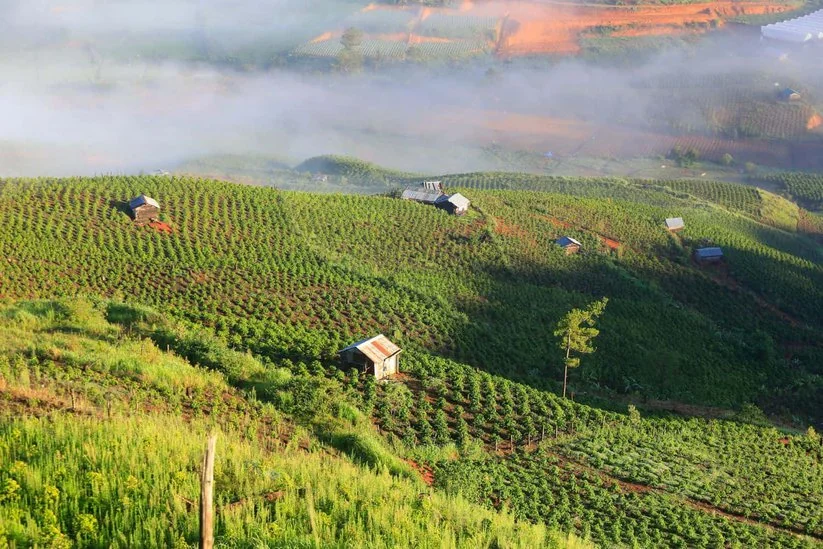
Indonesia’s coffee regions are conventionally divided by major islands, among which Sumatra, Java, Sulawesi, and Bali are currently common sources of Indonesian coffee in the market. Sumatra, not only the largest island in Indonesia but also the region with the highest coffee output, is famed for its “Mandheling”-style coffee, widely loved by consumers globally. The island’s terrain primarily consists of the magnificent Barisan Mountains in the west and lowland plains in the east. The Barisan Mountain range runs through the entire island, dotted with numerous volcanoes, whose fertile volcanic ash soil and abundant water sources make it extremely suitable for coffee growth.
Coffee cultivation in Sumatra is mainly concentrated in the higher-altitude northern regions, particularly the Gayo highlands in the Aceh Special Region and the Lintong area in North Sumatra Province, both renowned for producing high-quality Arabica coffee. In contrast, the southern areas mostly grow Robusta varieties. A certain brand’s Lintong entry-level beans use the locally common Ateng variety (a colloquial term for Catimor), processed via the wet-hulled method and roasted dark. When brewed, they exhibit herbal, spicy, and dark chocolate notes, with a thick caramel-like mouthfeel and a pronounced sweet aftertaste—making them highly suitable for daily drinking or as practice beans for pour over.
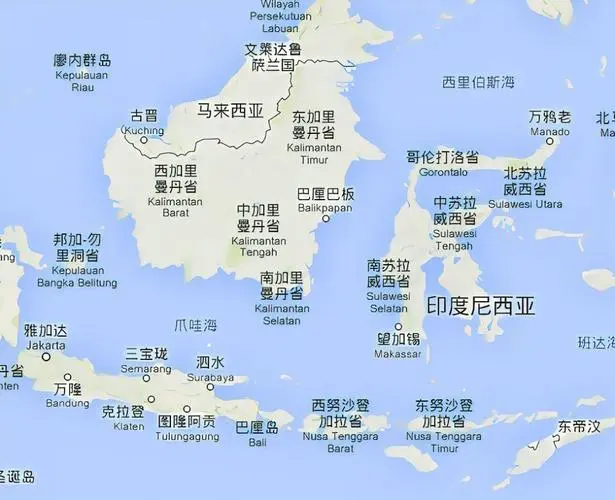
Java Island also holds a pivotal position in Indonesia’s coffee map. Situated between Bali and Sumatra, it is not only Indonesia’s fifth-largest island but also one of the most densely populated. Java is bordered by the Indian Ocean to the south and the Java Sea to the north, featuring diverse terrains ranging from lowland areas to high-altitude volcanic zones. Notably, the name of the “Java” coffee variety originates from this island. This variety was first introduced and selectively bred in the early 20th century by botanist P.J.S. Carmer (Kramer) from Ethiopia. Later, due to its strong disease resistance and excellent flavor, it was widely cultivated and even became a subject of introduction to Africa, the Americas, and other regions—hence the name.
On Java Island, low-altitude areas mostly grow Robusta varieties, while specialty-grade Arabica is concentrated in high-altitude volcanic zones. The western Pangrango Volcano and central Merapi Volcano areas both have coffee plantations, though their output and recognition are not as high as those in the eastern part of the island. The most important and productive coffee region on Java is located in the east, centered around the famous active volcanoes Mount Bromo and Mount Ijen. Planting altitudes here generally range between 900 and 1800 meters, a height range that facilitates slow maturation of coffee cherries and the accumulation of richer flavor compounds.
Coffee production on Java is predominantly carried out by smallholder farmers, with over 95% of the beans coming from small family farms. Larger coffee estates are mainly found in East Java and Central Java. The fertile soil brought by volcanic terrain, combined with stable alternations of rainy and dry seasons, enables these areas to consistently produce coffee with distinct regional characteristics. For pour over enthusiasts, Java’s medium- to high-altitude Arabica beans typically feature medium to bright acidity, paired with caramel, nutty, and subtle floral notes. It is recommended to use medium-fine grind and a water temperature of 90–93°C for brewing, which can better highlight their layered profiles.
The above content is compiled by CoffeeHunters, a coffee news website.


