







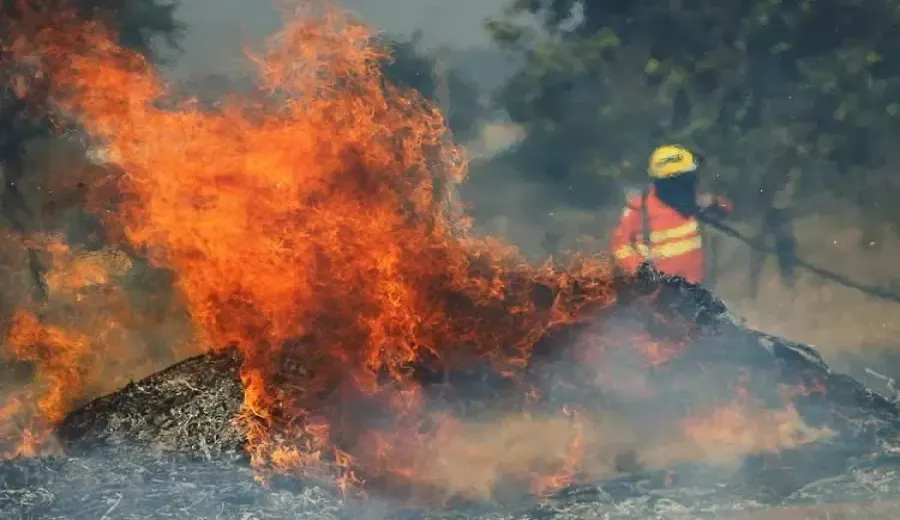
Introduction:A severe wildfire has recently broken out in the Serra do Cipó National Park in Minas Gerais, Brazil, which has been raging for four days and has damaged over 478 hectares of forest. This area is one of Brazil’s important coffee-producing regions. Although the current harvest season is nearing its end and the impact on this season’s output is limited, the destruction of the ecological environment, deterioration of soil conditions, and threats from abnormal climate may negatively affect coffee production in the 2024/25 season. This article provides a detailed analysis of the current fire situation, potential consequences, and highlights the risk factors that coffee-growing regions need to watch in the future.
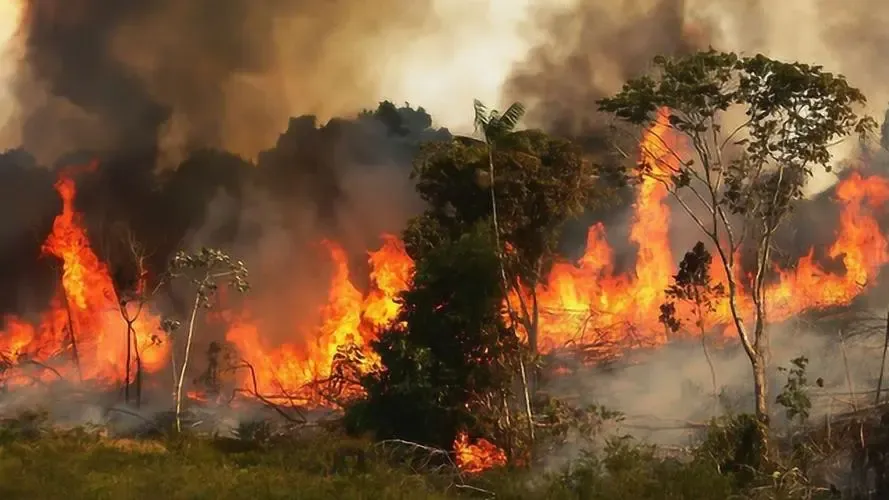
The renowned Serra do Cipó National Park in Minas Gerais, southern Brazil, has recently experienced a large-scale wildfire that has been raging since August 18 and has yet to be brought under effective control. As of now, the fire has burned more than 478 hectares of precious woodland, with the blaze continuing to spread outward, posing a threat to the local ecology and future agricultural production.
Established in 1984, this national park covers a total area of 33,800 hectares and is known for its rich biodiversity, serving as a habitat for various endangered plants and animals. However, this sudden wildfire not only destroyed the natural environment but may also indirectly impact nearby coffee-growing areas.
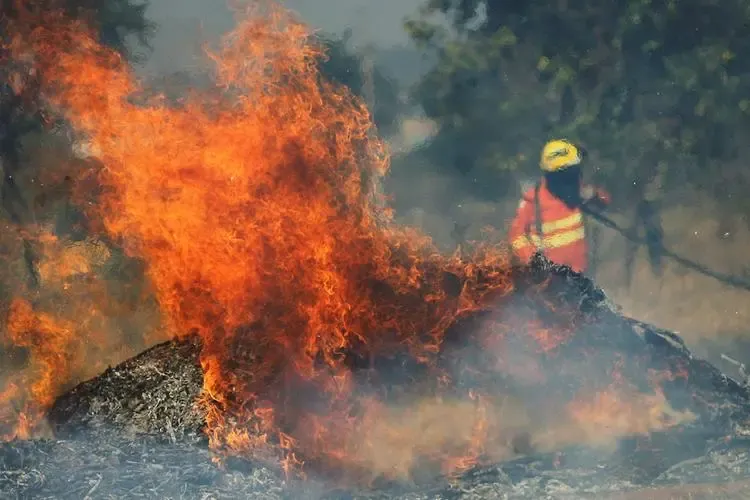
According to statistics from the Brazilian official agency Chico Mendes Institute for Biodiversity Conservation (ICMBio), 478 hectares of woodland have so far been consumed by the fire. There are currently 16 professional firefighters, volunteers, and five fire trucks involved in firefighting efforts. However, due to the rugged terrain of some fire sites, rescuers are unable to enter directly and must rely on helicopters and fixed-wing aircraft to extinguish the fire and conduct fire detection from the air. Fire authorities have identified multiple ignition points within the park and will adjust their response strategies based on the actual situation.
Preliminary investigations suggest that the fire was most likely caused by human activity, with the origin possibly near a busy highway close to the park. Coupled with the unusually dry weather and persistently low humidity in Minas Gerais in recent days, the fire has spread rapidly. In fact, Brazil’s National Meteorological Institute issued an orange alert for low humidity on August 19 for multiple regions, including Minas Gerais, warning the public about the risk of wildfires.
It is worth noting that the impact of this fire is not limited to the national park itself; nearby natural reserves such as the Vale do Espinhaço and Morro da Pedreira have also been affected. For safety reasons, the park has been closed to the public since August 19, with the reopening date still pending official announcement.
Minas Gerais is a core coffee-producing region in Brazil, accounting for about 30% of the country’s total coffee output. Although the wildfire mainly occurred within the Serra do Cipó National Park, there are many coffee farms distributed in the surrounding areas, which are highly likely to be indirectly affected by the fire or smoke.
In addition to potentially burning coffee trees directly, causing plant death or severe damage, fires can also destroy soil structure, reduce soil fertility, and thereby affect the growth and quality of coffee crops in the coming seasons. Moreover, once the ecological environment is damaged, the overall microclimate and biodiversity will also change, posing long-term challenges to the healthy growth of coffee trees.
However, according to data from Safras, a well-known Brazilian coffee production and sales analysis agency, as of August 13, 96% of this season’s coffee harvest in Brazil had already been completed, with the Robusta variety fully harvested and the mainstream Arabica coffee reaching a harvesting rate of 94%. Therefore, the actual impact of this fire on the 2023/24 season’s output may be relatively limited.
But in the long term, the outlook is not optimistic. The regional climate conditions after the fire have noticeably deteriorated, with low air humidity and declining soil quality, both of which will negatively affect coffee growth in the new 2024/25 season. More concerning is that meteorological forecasts indicate that the La Niña phenomenon may soon arrive, which will further exacerbate climate instability across Brazil’s coffee-growing regions. This could lead to abnormal rainfall patterns, affecting the flowering, fruiting, and harvesting of coffee trees, and is expected to put significant pressure on next year’s output.
The above content is compiled by CoffeeHunters, a coffee news website.


