








Introduction:Want to recreate the creamy, ice cream-like frozen 400-times coffee at home? This article dives deep into the hands-on testing process using two types of ingredients—freshly brewed espresso and instant freeze-dried powder—comparing everything from extraction ratios, whisking times, foam textures to final flavor profiles. It’ll help you choose the best method based on what you have on hand and easily replicate this cloud-like, dessert-style coffee that’s taken the internet by storm.
Whipping coffee and sugar into a fluffy, cloud-like texture and then layering it over milk has given rise to the social media-famous "400-times coffee." Its latest evolution, "frozen 400-times coffee," adds a simple freezing step that transforms the originally smooth coffee foam into an ice cream-like consistency. With layers reminiscent of a coffee float and a sweet yet non-cloying taste, it has quickly become a new favorite among coffee enthusiasts.

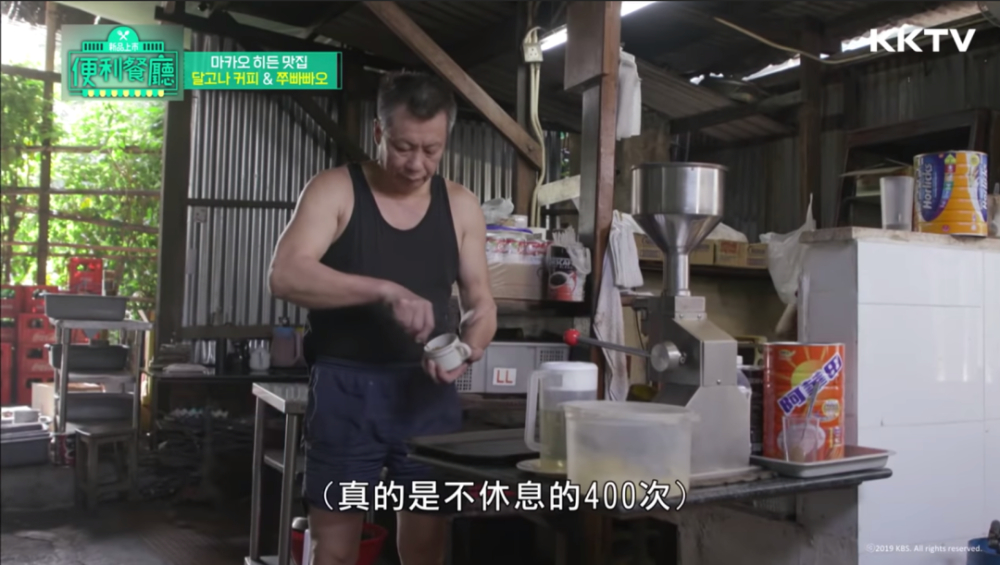
The inspiration for this creative coffee drink comes from the Korean variety show "Newlyweds' Grocery Challenge," where a unique beverage made by manually whipping together instant coffee powder, sugar, and hot water in a 1:1:1 ratio was introduced. Its distinctive fluffy texture quickly became a craze across Asia. Nowadays, with just a few tweaks at home, you can upgrade it into an even more distinctive frozen version.
Known as "400-times coffee" or "달고나커피" (caramel bubble coffee), its hallmark is the vigorous mixing using tools that incorporate plenty of air into the coffee and sugar mixture, creating a rich, cloud-like foam that floats atop milk. It naturally carries caramel-like sweetness and a thick mouthfeel, and due to its low barrier to entry, it has gained widespread popularity.
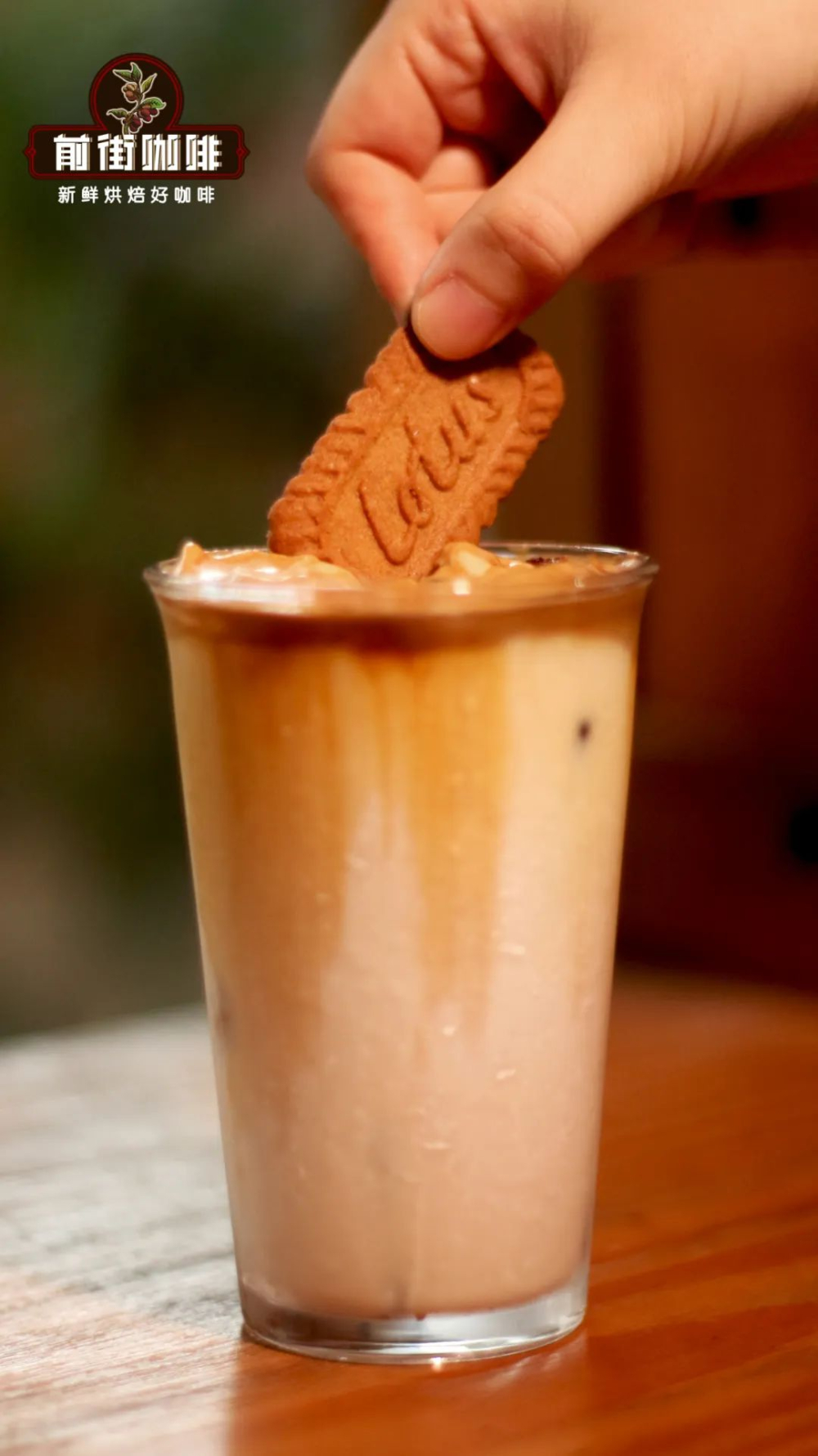
The key to making frozen 400-times coffee lies in the added freezing step. By simply refrigerating the whipped coffee foam for two hours or more, the foam condenses into an ice cream-like, velvety texture. Scooping it up with ice-cold milk not only adds visual layers but also enhances the mouthfeel with more richness and variation—making it ideal for those who enjoy dessert-flavored coffee.
When it comes to ingredient selection, a common approach is to use three-in-one instant coffee powder or coffee freeze-dried powder. These have a high solid content, so when mixed with an equal amount of hot water, they achieve sufficient concentration and are easier to whip into stable, non-collapsing foam. For those who prefer freshly brewed coffee, you can also use espresso (espresso) or coffee extracted via moka pot, though it’s recommended to adjust the extraction parameters to achieve a richer taste, which aids in foaming.
For instance, if using 20 grams of coffee grounds to extract 40 ml of coffee, you might try shortening the brew time to 25 seconds to yield about 30 ml of concentrated espresso—similar to a Ristretto in flavor profile—with less water, making it more conducive to being whipped into a milk foam-like texture. If using a moka pot, you can turn off the heat earlier to stop the extraction when the coffee reaches only about one-quarter of the upper chamber, which can also effectively boost the coffee’s concentration.
In this test, we prepared frozen 400-times coffee using two methods: freshly brewed espresso and instant coffee powder. The espresso group used 20 grams of coffee grounds to extract 30 ml of coffee, combined with 15 grams of fine granulated sugar, and was whisked in an electric mixer for approximately 16 minutes until the mixture turned into a pliable, creamy foam. The resulting foam was soft, fluffy, and after two hours in the freezer, developed an ice cream-like dense texture. Served with ice cubes and milk, and topped with caramel cookies, it delivered a distinctly layered flavor.
The instant coffee group mixed 15 grams of instant coffee powder, 15 grams of hot water, and 15 grams of fine granulated sugar, whisking for about 13 minutes until the foam formed. Although the whisking time was shorter, the final foam texture was relatively firmer. After freezing, it also achieved an ice cream-like feel, but overall, the espresso group performed better in terms of aroma purity, foam fineness, and harmony with milk. The espresso version showcased pronounced caramel and nutty notes, with an excellent balance between sweetness and milk flavor.
In summary, if you’re aiming for a richer expression of coffee’s inherent flavors and a more delicate mouthfeel, it’s recommended to use freshly brewed espresso as the base. If you prioritize convenience and speed, instant coffee powder is also a great option—especially for first-timers. No matter which method you choose, frozen 400-times coffee offers a delightful, dessert-like coffee experience unlike any other.

The above content is compiled by CoffeeHunters, a coffee news website.


