







Introduction:Recently, M Stand has successively closed its core commercial area stores in cities such as Wuhan, Hangzhou, and Nanjing, sparking market discussions on the business model of specialty coffee brands. This article analyzes the impact of its high-price positioning, homogenized product line, and membership system adjustments on customer retention through practical cases and consumer feedback, and explores the key issue of how to balance brand identity with market competitiveness under rental pressure.
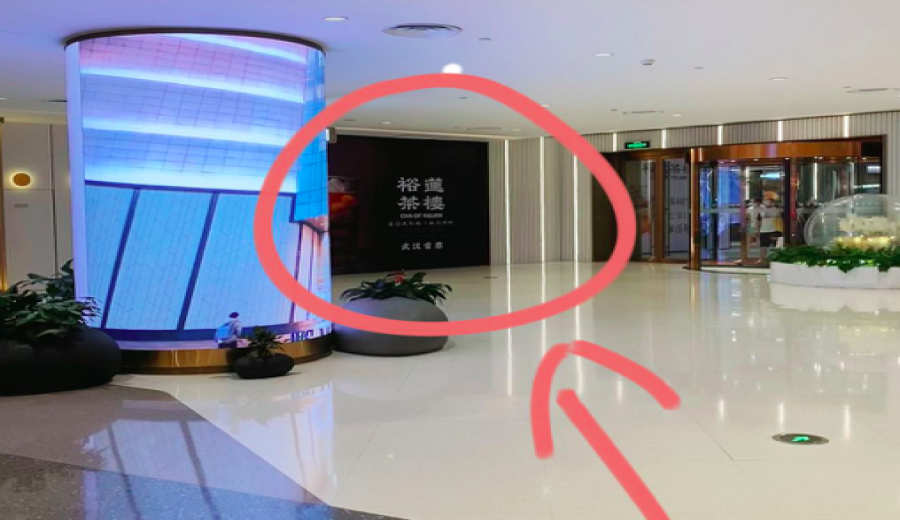
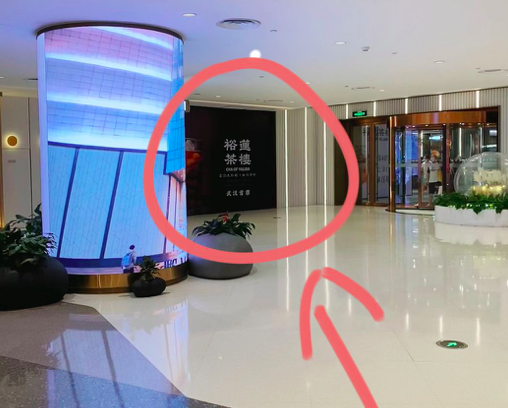
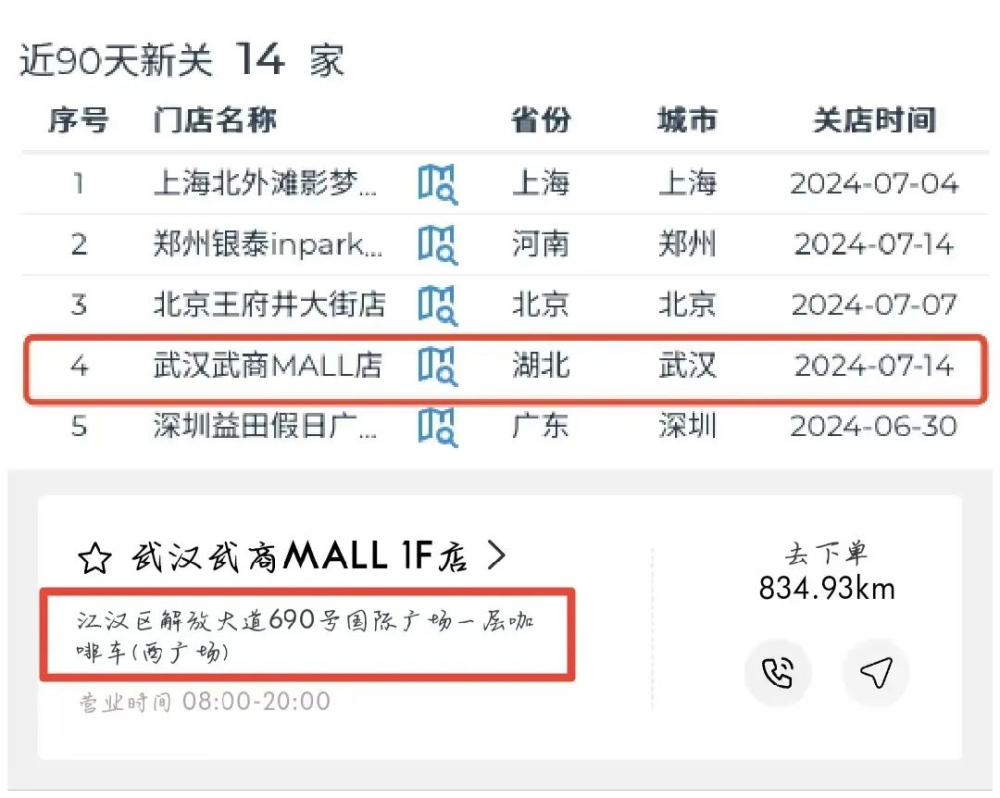
At Wuhan’s commercial landmark Wushang Mall, the original flagship store location occupied by M Stand has now been taken over by the popular local tea beverage brand Yulian Teahouse, with construction signage indicating ongoing work. Delivery platform searches show the store marked as “closed,” and third-party brand monitoring data also confirm its official closure on July 14. Notably, although the official mini-program still lists the Wushang Mall store name, the displayed address after login has been changed to a mobile coffee cart location on the first floor of the same mall.
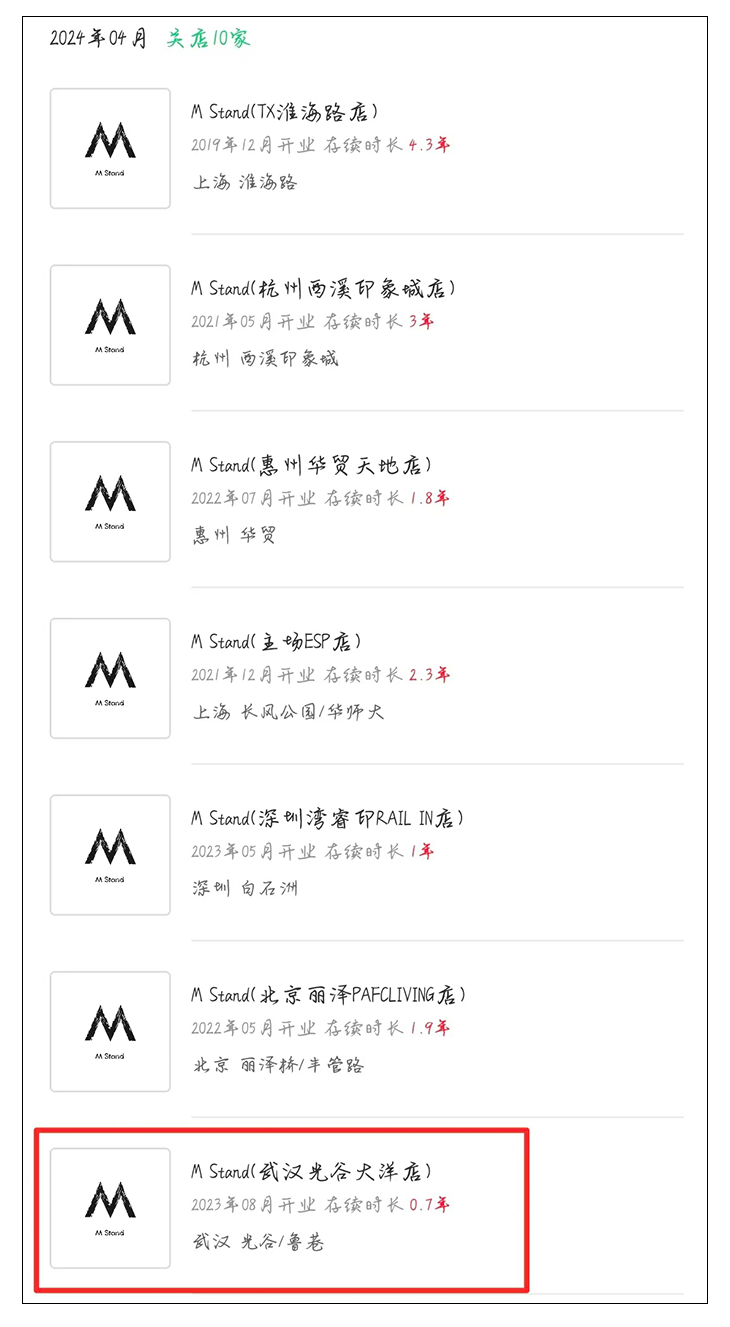
Meanwhile, the M Stand branch at Wuhan’s Guanggu Dayang Shopping Center ceased operations even earlier, back in April of this year. According to commercial store databases, this location withdrew before completing twelve months of operation. The successive closures of these two high-footfall commercial area stores not only surprised regular customers, but it is also worth noting that the brand did not open any new locations in the Wuhan market to fill the gaps during the closures.
Looking at the East China market, core commercial areas in Hangzhou and Nanjing have also seen M Stand stores temporarily cease operations. Although the brand has not officially announced a complete withdrawal, the ongoing trend of store closures has drawn industry attention. Commercial real estate analysts point out:Rental costs in core commercial areas often account for more than 40% of operating expenses, and when a brand’s per-customer spending cannot support high venue fees, adjusting store layouts becomes a common strategy.
A closer look at consumer feedback reveals three main pain points concentrated in online discussion forums: First, the brand’s pricing strategy is significantly higher than that of its peers—for example, the average price of a medium latte ranges from 32 to 36 RMB, about 15% higher than Starbucks’ equivalent product, and at a clear disadvantage compared to the value-oriented Manner Coffee. Second, there is insufficient innovation in the product line; aside from the seasonal limited “edible combo set” which once sparked discussion, most new products failed to generate effective social media traction. Third, the membership system reform has upset long-time users; the recent cancellation of the stamp redemption mechanism has led to third-party platform reseller prices being lower than direct discounts from official channels.
The adjustments to the membership system are particularly noteworthy.Early registered members could enjoy points to redeem limited-edition merchandise and drink discounts, attracting a large number of loyal customers to pre-load funds. However, with the rise of live-stream e-commerce, third-party channels frequently offered promotions below the official membership price, and the sudden cancellation of the accumulated cup reward mechanism led many long-term users to actively cancel their memberships.
The brand’s direction of transformation has also sparked market controversy. In the past two years, M Stand has invested heavily in the development of branded merchandise, once setting up a themed pop-up supermarket in Shanghai selling co-branded tableware and lifestyle goods, attracting trend-focused crowds for check-ins and purchases. However, this business model of “transforming a coffee shop into a retail space” has left the core customer base puzzled—discussion heat around new products on social platforms remains consistently low, whereas unboxing reviews of limited-edition canvas bags or ceramic cups have received higher attention.
From a business operations perspective, specialty coffee brands in first-tier and emerging first-tier cities face multiple challenges: maintaining stable coffee quality while establishing differentiated and memorable product design. M Stand initially gained market attention with its industrial-style store decor and creative cups, but as competition intensifies, relying solely on visual marketing is no longer enough to sustain long-term customer traffic. A common feature of its closed stores is that most were located in high-rent but highly transient shopping mall core areas; when foot traffic from nearby office workers declines, revenue imbalances can easily occur.
For stores still in operation, adjusting the product structure may be the key to turning things around.Professional baristas suggest increasing value-added services such as seasonal bean list explanations and pour over experience workshops, which can effectively boost customer dwell time and repurchase rates. At the same time, re-evaluating the practicality of membership benefits—such as linking the points system to coffee knowledge lectures—can create stronger engagement than simply redeeming merchandise. While these detailed optimizations may not immediately reverse the trend of store closures, they are foundational steps for the brand to rebuild consumer trust.
The above content is compiled by CoffeeHunters, a coffee news website.


