








Introduction:The golden-brown crema on the surface of espresso is often mistaken for pure oil, but it is actually the result of a combination of carbon dioxide and water-soluble fats. This article delves into the true composition of crema, explains why pour over coffee rarely exhibits such oiliness, and compares how different brewing methods affect oil retention. Readers will learn how to adjust their coffee taste through equipment selection and gain practical brewing tips.
When you pick up a freshly brewed shot of espresso, the layer of golden-brown foam floating on top is always the first thing that catches your eye. Many see it as a sign of a successful extraction, but this substance known as crema is actually formed by carbon dioxide bubbles encapsulating the water-soluble fats in the coffee beans. Over time, these bubbles gradually burst, leaving behind visible oily residue on the liquid surface — this is what we truly mean by coffee oils.

Interestingly, pour over coffee shows almost no such oiliness. The key reason lies in the strong filtering ability of paper filters, which effectively trap most of the oils and fine coffee particles. If you’re looking to achieve a richer mouthfeel in a pour over setup, consider switching to tools with weaker filtration performance such as the AeroPress, French press, or siphon. These tools not only retain more oils but also deliver a body and richness distinctly different from paper-filtered pour overs.
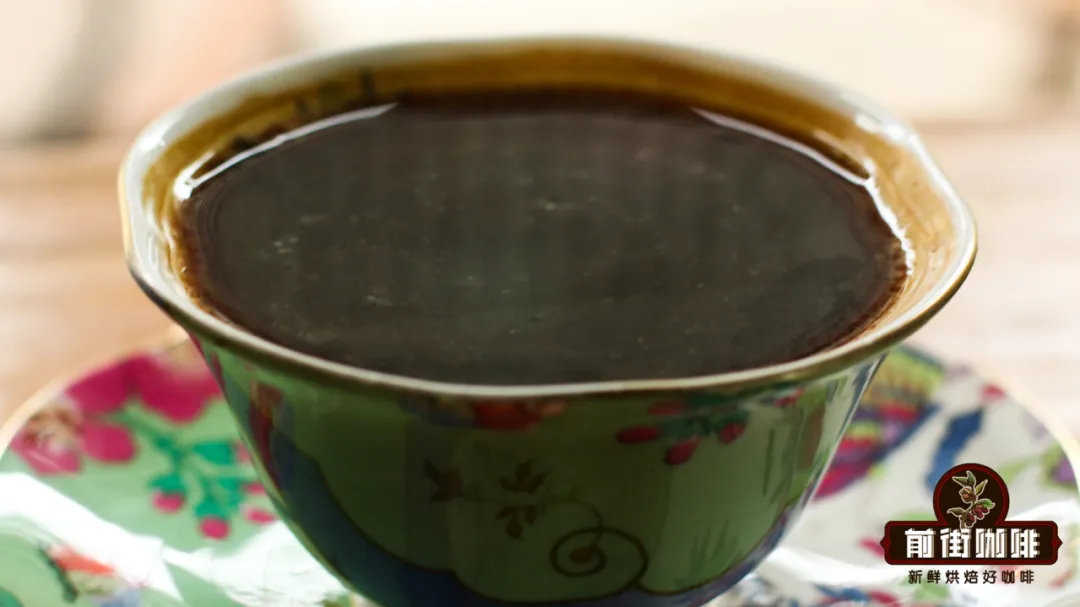
It’s important to clarify that although crema may appear to be the essence of espresso, it is really just a foam layer supported by gas. What truly determines the coffee’s body and aftertaste are the lipid substances enveloped by the carbon dioxide. When espresso sits for a while and the foam dissipates, the oil that becomes visible on the surface is the actual essence of coffee oil. This is also why espresso that has been left standing too long, while still drinkable, will taste noticeably thinner.
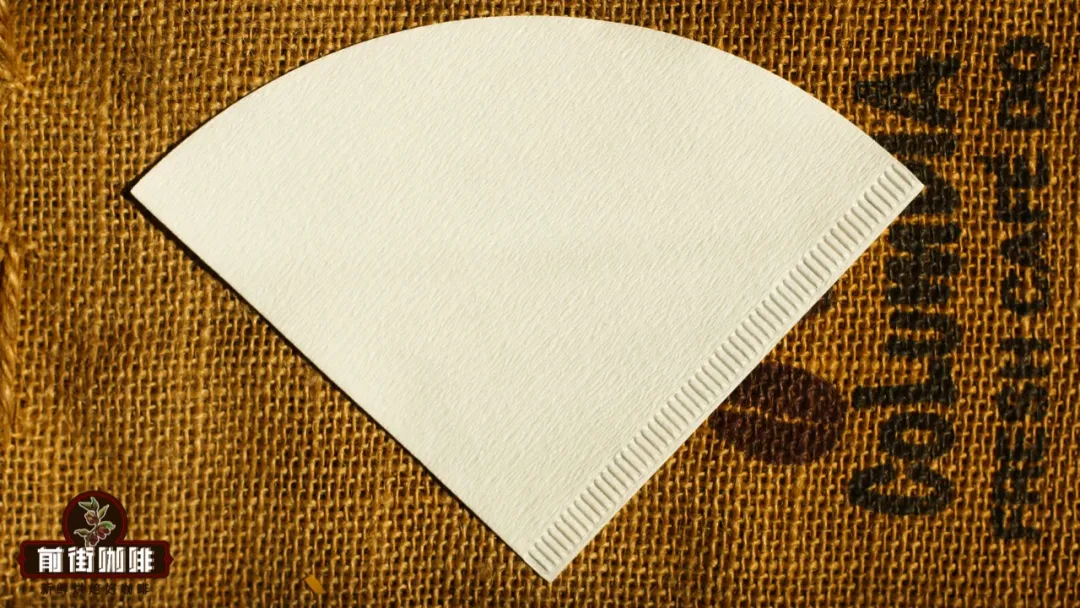
From an equipment perspective, the metal filter of a French press offers the largest pore size, allowing both oils and fine particles to pass through easily. The AeroPress, with its unique pressure system and interchangeable filters, performs exceptionally well in retaining oils — whether using paper or metal filters, it can produce varying degrees of oiliness. The siphon relies on cloth or mesh filters, whose precision falls between that of paper and metal filters, and can also deliver a notable oily sensation.
Practical tests have found that when using medium-to-dark roasted beans, the French press and AeroPress can extract particularly rich oils. Bean varieties with intense flavors, such as Hua Kui or Yunnan natural, exhibit not only outstanding crema performance but also enhanced body and aftertaste when brewed in these devices. However, it's worth noting that while excessive oil can add to the mouthfeel’s fullness, it may also mask the delicate layers of the coffee’s inherent flavors.
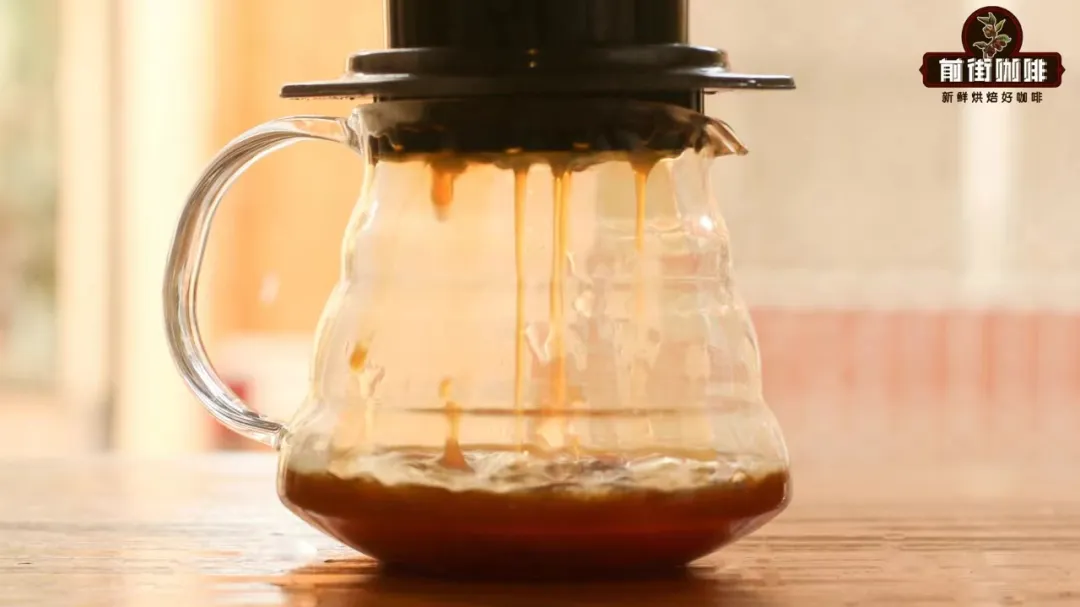
Ultimately, the choice of equipment comes down to personal taste preferences. The clean profile and clear flavor separation offered by paper-filtered pour over remain reasons many coffee enthusiasts favor it. While devices like the French press can retain more oils, they might sacrifice some subtleties in flavor expression. With an understanding of these differences, you can choose the most suitable brewing method based on your current taste preferences.
The above content is compiled by CoffeeHunters, a coffee news website.


