







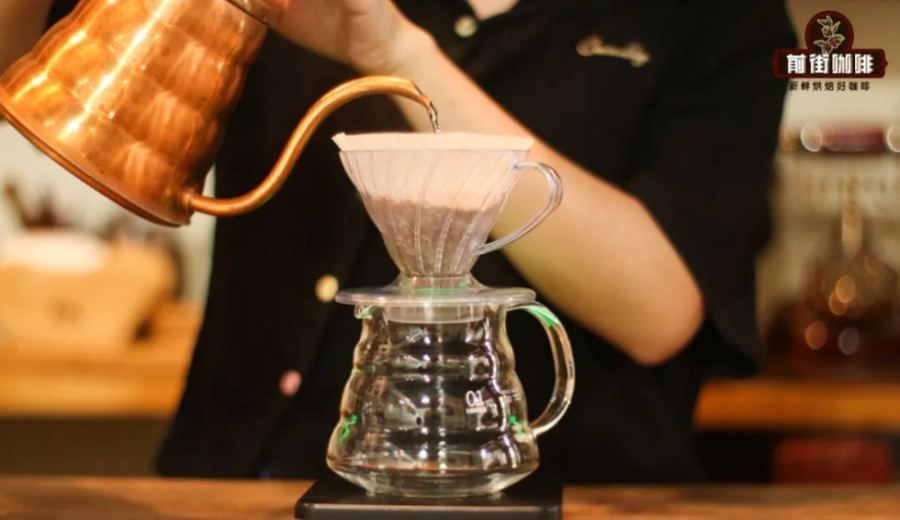
Introduction:Many pour over enthusiasts wonder whether the direction of circular pouring affects coffee flavor, especially with the V60 filter’s spiral ribs. This article explores the differences in extraction time, concentration, and flavor between clockwise and counterclockwise pouring through comparative experiments, and analyzes which pouring techniques truly impact coffee quality.
In the world of pour over coffee, pouring technique has always been a key factor in extraction quality. Beyond the radius and speed of circular pouring, many coffee lovers have started to focus on a more nuanced question: Does the direction of circular pouring—clockwise or counterclockwise—affect the final flavor? This topic is especially frequently discussed when using the V60 filter.
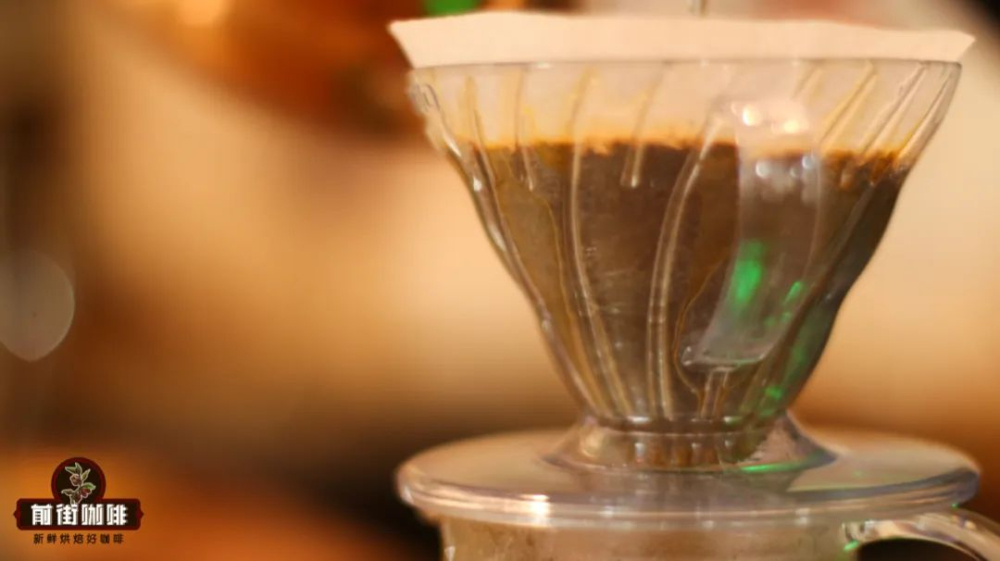
The V60 filter features spiral-shaped ribs arranged in a clockwise pattern on its inner wall. Their primary function is to lengthen the water’s path, allowing hot water to contact more coffee grounds and thus improving extraction uniformity. For this reason, many believe that pouring clockwise aligns with the guidance of these ribs, enabling the water to flow smoothly toward the center of the filter and form a stable vortex, resulting in more even extraction.
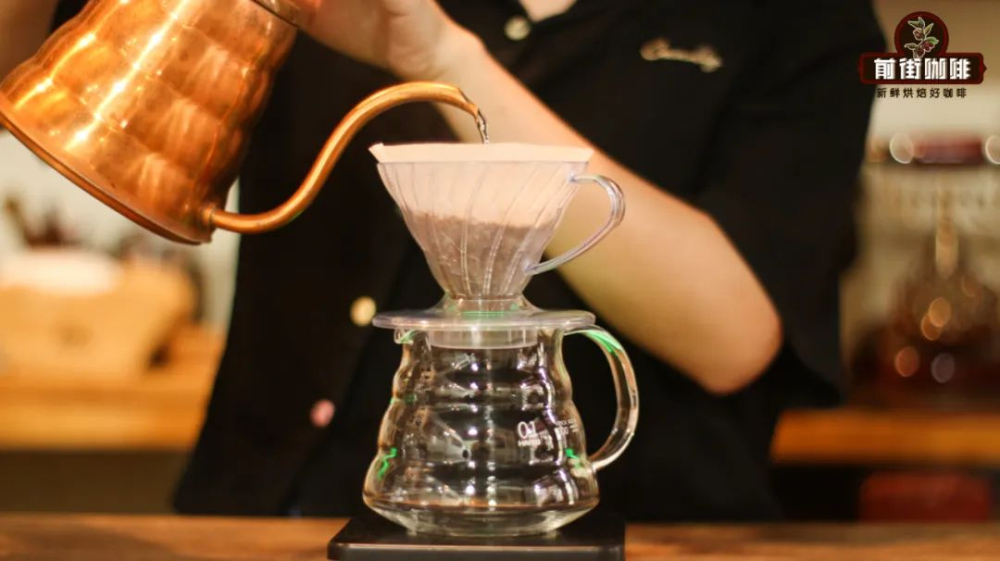
However, some coffee enthusiasts hold a different view. They argue that pouring counterclockwise may cause the water to collide with the ribs. This interaction, similar to wringing out a cloth, could create additional turbulence, thereby increasing the extraction rate and drawing out more flavor compounds. While this theory sounds intriguing, what’s the reality?
To test these hypotheses, we conducted a comparative experiment. All parameters remained consistent except for the pouring direction. The coffee used was Ethiopia · Guji Village Red Label, with a dose of 15 grams, ground to 9.5 on the Ek43 (equivalent to the coarseness of granulated sugar), with an 85% extraction rate through a No. 20 sieve. The coffee-to-water ratio was 1:15, the water temperature was set at 92°C, and the V60 filter was used with a single-pour brewing method.
Both cups of coffee were first bloomed with twice the dose of water (30 ml) for 30 seconds, then the remaining 195 ml of hot water was poured in using continuous circular motions. The experimental results showed that regardless of whether the pouring was clockwise or counterclockwise, the extraction times were nearly identical—one cup took 1 minute and 56 seconds, the other 1 minute and 58 seconds. Further concentration tests also revealed almost no difference between the two.
In terms of flavor, since the two cups were brewed by the same person at different times, there was a slight temperature difference. This temperature variation did have a minor impact on mouthfeel, but in actual tasting, if the two cups are not compared side by side, the difference is almost imperceptible.
Based on the comprehensive experimental results, it can be concluded that the pouring direction—whether clockwise or counterclockwise—has a very limited impact on extraction with the V60 filter. Although counterclockwise pouring may cause some water to collide with the ribs, the resulting turbulence effect is minimal. In contrast, irregular pouring or unstable stirring is more likely to significantly affect the extraction outcome.
Therefore, for coffee enthusiasts, choosing between clockwise or counterclockwise pouring can be entirely based on personal preference. What truly matters is maintaining a stable water flow, controlling the appropriate stirring speed, and precisely managing the pouring time. These factors are the core elements that influence the quality of coffee extraction.
The above content is compiled by CoffeeHunters, a coffee news website.


