







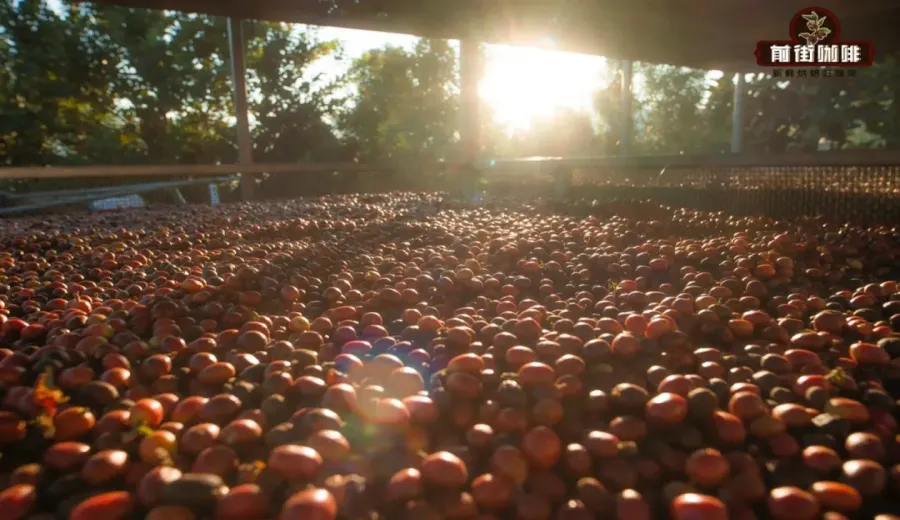
Introduction:Did you know? The unique flavors of coffee are not just the result of origin and roast level—the processing method is the real behind-the-scenes key player. This article breaks down three classic processing methods in an easy-to-understand way: traditional natural (sun-dried), refined washed, and the water-saving yet clean pulp natural. It also reveals the truth behind easily confused terms like semi-washed and peeled natural. Whether you're a beginner just stepping into the world of coffee or an advanced enthusiast looking to try new beans, this guide will help you better understand every cup in your hand.
When it comes to coffee, many people first think of origin, roast degree, or even grind size and brewing method. But in fact,the processing method is the foundation that shapes the flavor profile. Among the many processing methods, natural (sun-dried), washed, and pulp natural are the most common and have the most significant impact on the final taste of the coffee. This article will dissect their historical backgrounds, processing steps, and the unique flavor characteristics they bring to coffee, helping you make more informed choices when buying or tasting.
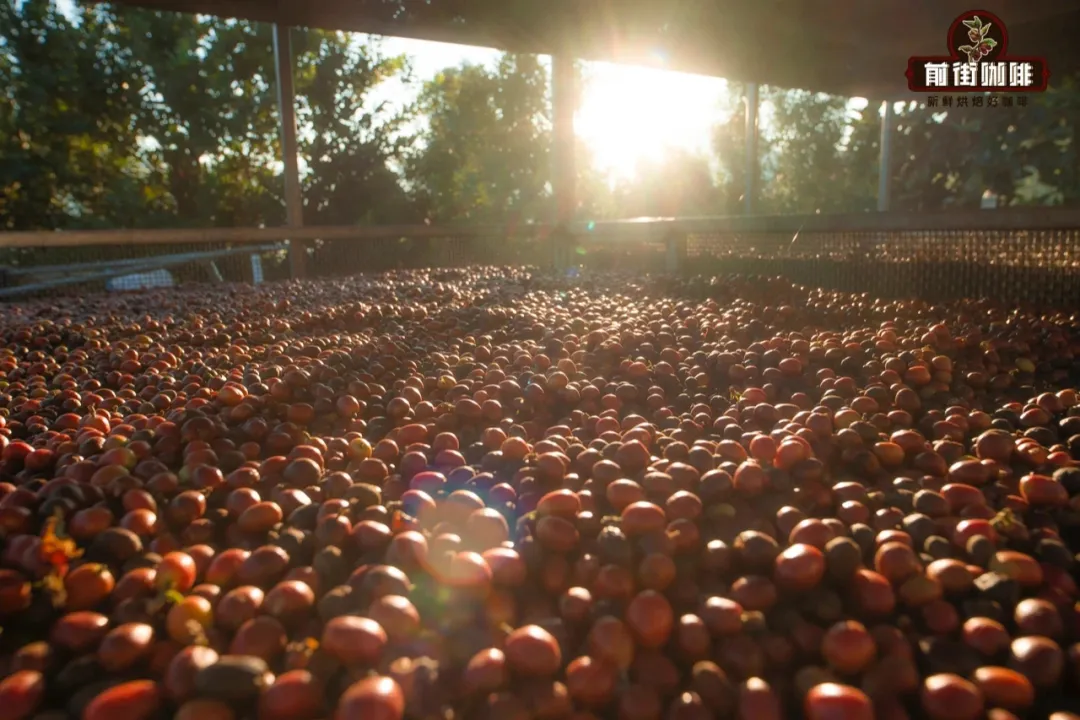
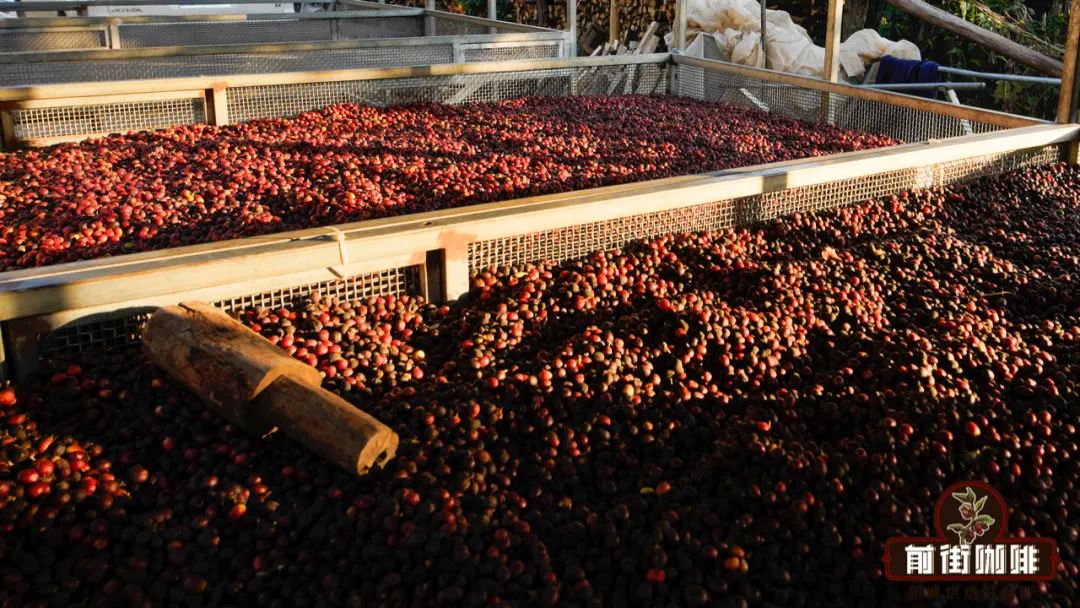
Let’s start with the oldest processing method—natural (sun-dried). This method can be considered the “original” coffee processing technique. In the days before commercial coffee processing, farmers would simply lay harvested coffee cherries out in the sun to dry naturally, much like drying grains, allowing sunlight and wind to slowly remove moisture until the fruit's moisture content dropped to a safe range of 10% to 12.5%, then removing the seeds. This primitive yet straightforward approach, though unrefined, laid the foundational concept of coffee processing.
However, the natural method places very high demands on environmental conditions. If the producing region lacks sufficient sunlight or experiences changeable weather, the cherries cannot dry evenly. This not only prolongs the processing time but also makes it easier for mold to grow, severely affecting coffee quality. For this reason, regions later began to develop more controllable processing methods tailored to their local climates. One of the most representative of these is the washed method, developed by the Dutch in the 18th century.
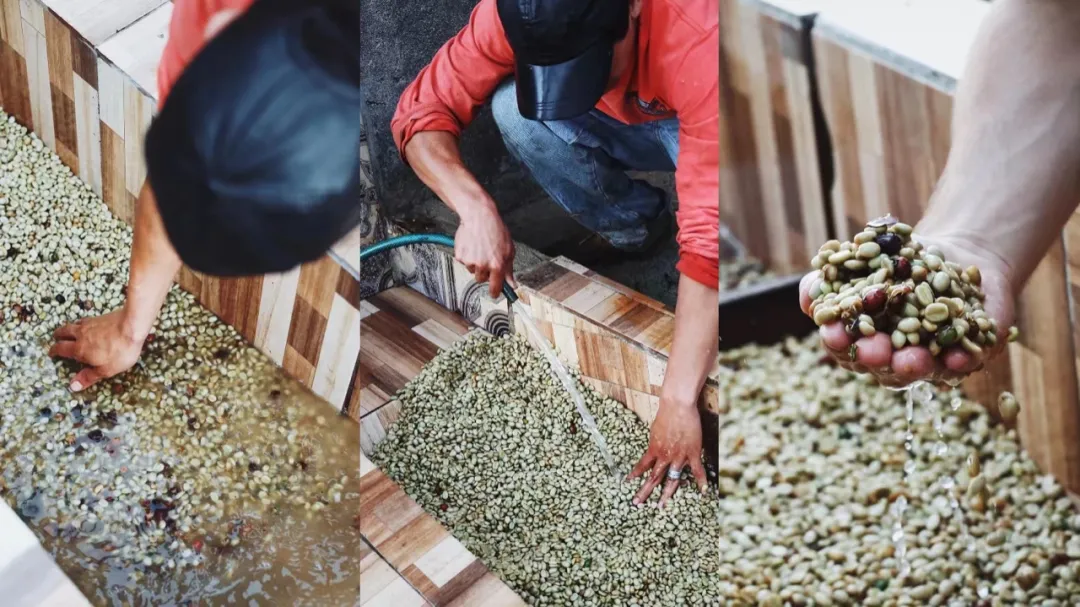
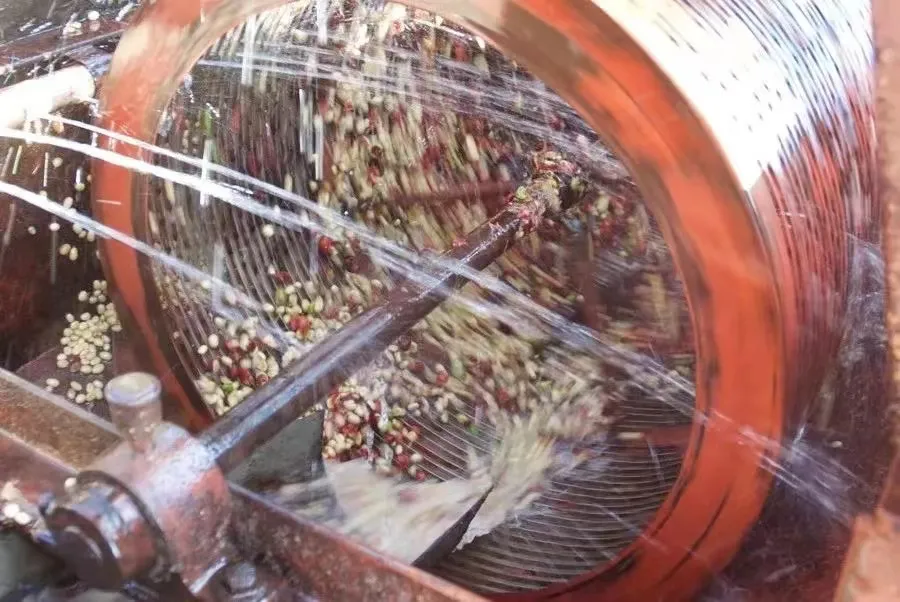
The birth of the washed method came from regions like the West Indies, where weather was unpredictable and sufficient sunlight couldn’t be guaranteed. So, the Dutch adopted a more scientific approach: first removing the coffee cherry’s skin and flesh, then using water soaking and fermentation to remove the sticky mucilage layer, followed by washing and drying. The benefit of this method is more precise control of fermentation, greatly reducing interference from impurities and undesirable flavors. The resulting coffee often exhibits a clean, bright acidity and fruity aroma, with a crisp and clear flavor profile.
But the washed method also has obvious drawbacks:extremely water-intensive. Statistics show that processing 1 ton of coffee beans requires about 10 to 20 tons of fresh water, which is almost unbearable for regions with scarce water resources. It was against this backdrop that Brazil, in the 1990s, developed an innovative processing method suited to its own large production volume and limited water availability—what later came to be known as “pulp natural,” “peeled natural,” “semi-natural,” or “semi-washed.”

These processing methods go by many names, often confusing consumers. In fact, they all refer to the same hybrid process: first removing the skin and most of the flesh of the coffee cherry, but unlike the washed method, not completely removing the mucilage. Instead, a short water wash (about one hour) is performed, leaving a small amount of mucilage on the bean surface, after which the beans with trace mucilage are directly sun-dried. Since excess material is removed early on, the drying time is shortened, while also significantly reducing mold risk and water waste.
This processing method has been widely used and gradually refined in Brazil. As the world’s largest coffee producer for a long time, Brazil previously commonly used a rough form of natural processing (laying whole coffee cherries directly on the ground to dry), which not only easily introduced impurities but also often led to flavor defects. Later, through the refinement of the pulp natural process, the overall cleanliness of the coffee was improved, while also considering environmental sustainability and cost-effectiveness, making it one of the hallmark methods of Brazilian coffee processing.
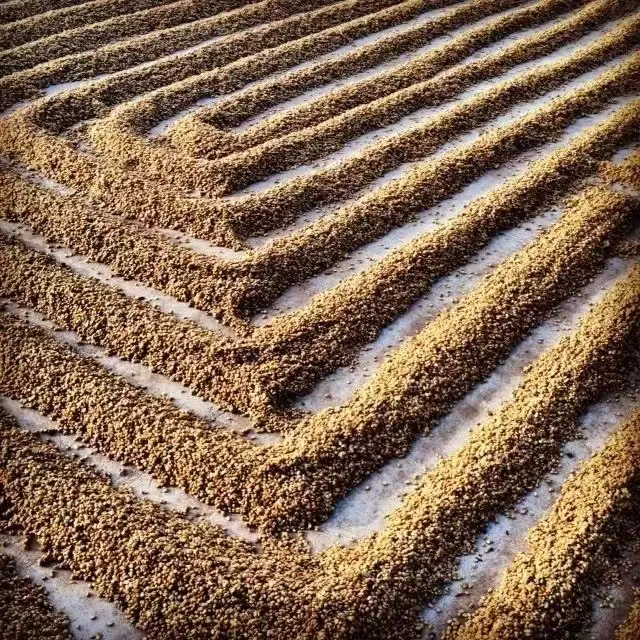
It’s worth mentioning that honey process, which also involves “retaining some mucilage before sun-drying,” is often grouped with pulp natural, but its key difference lies inhoney process not undergoing any water wash at all. It does not involve soaking or rinsing, with the goal of fully preserving the mucilage, thereby creating a richer sweetness and body during drying. Therefore, honey process coffees often feature honey or syrup-like aromas and a fuller mouthfeel, while pulp natural strikes a balance between cleanliness and fruitiness.

Common misconceptions also include equating “semi-washed” with “pulp natural.” In reality, “semi-washed” sometimes also refers to Indonesia’s “wet-hulled” (Giling Basah) method, which follows a completely different logic. Therefore, it’s recommended that consumers pay attention to the specific descriptions in bean lists or product info rather than judging solely by the name.
If you’d like to personally experience the flavor of pulp natural, try a semi-natural bean from Brazil’s Cerrado region. These coffees often present rich nutty tones and a thick chocolatey aftertaste after brewing. Their acidity is soft and doesn’t overpower, and although they may lack the vibrant floral and fruity notes of some washed or natural beans, their stable and solid flavor profile is especially suitable for coffee lovers who enjoy darker roasts, and they are also a common base choice for baristas when blending.
The above content is compiled by CoffeeHunters, a coffee news website.


