








Introduction:The extraction time of pour over coffee directly affects its flavor profile, but two minutes is not an absolute standard. This article delves into the relationship between extraction duration and extraction yield, analyzes the five key variables that influence brewing time—including grind size, water temperature, and brew ratio—and explains how adjusting these parameters can optimize your pour over experience, helping you master more consistent brewing techniques.
How long should the extraction time for pour over coffee be set? Is it absolutely necessary to strictly adhere to the two-minute standard? In fact, this time is not an ironclad rule, but an important parameter closely tied to the overall brewing strategy. This article will start by discussing the relationship between extraction time and extraction yield, explaining why many professional baristas recommend keeping pour over brewing time around two minutes, and exploring the logic behind this recommendation. At the same time, we’ll also take a detailed look at which variables significantly affect the speed at which water passes through the coffee bed during brewing—especially grind size, the most crucial factor.

Extraction time is not just a timing tool used to determine whether brewing is complete; it is itself an important factor influencing the efficiency of coffee extraction. When other conditions remain constant, there is a positive correlation between extraction time and extraction yield: the longer the brewing time, the more substances are generally extracted from the coffee, resulting in a higher extraction yield; conversely, too short a time may lead to under-extraction. Many coffee enthusiasts aim for a cup of coffee with balanced flavors and rich layers, which usually means the extraction yield needs to be controlled within an ideal range.
According to the widely referenced Golden Cup Standard in the industry, an extraction yield range of 18% to 22% is generally considered to yield better flavor performance. Of course, not all delicious coffee must strictly fall within this numerical range, but in most cases, this range provides a good reference. To consistently achieve such extraction results, the various brewing parameters need to work in harmony to form a brewing framework that suits your personal taste and the coffee bean variety.
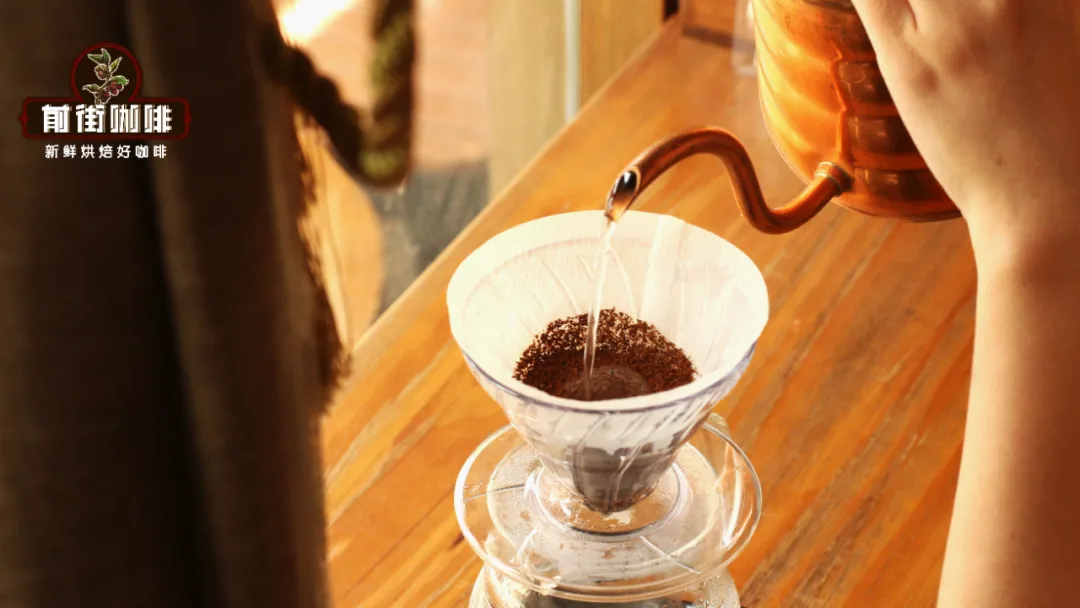
Many professional coffee shops, especially those known for their consistent output, often recommend a pour over time of around two minutes plus or minus ten seconds, because this duration best fits the actual brewing setups they use. These setups typically include using 15 grams of light-roasted coffee beans, a 1:15 brew ratio, water temperature of about 92°C, coffee grounds with 80% of particles passing through a 20-mesh sieve, along with a three-stage pouring method and brewing with a V60 filter cone. This combination has been repeatedly tested and can achieve an ideal extraction balance in about two minutes.
It’s worth noting that extraction time is influenced by the interaction of multiple parameters (aside from water temperature), and any change in one element may cause the overall time to deviate from expectations. If you find that the brewing time is too fast or too slow, it may indicate that aspects such as your grind size, brew ratio, or pouring technique need reevaluation, thereby helping you identify the root cause of flavor anomalies and make corresponding adjustments.
The Five Key Factors Affecting Pour Over Extraction Time
1. Grind Size of Coffee Grounds
The most direct and significant variable affecting pour over time is the grind size of the coffee grounds. Simply put, grind size determines how easily water can pass through the coffee bed. When other conditions are consistent, the finer the coffee is ground, the smaller the gaps between particles, and the slower water flows through, thus extending extraction time; conversely, the coarser the coffee is ground, the wider the water channels, allowing water to pass through the coffee bed more quickly and shortening extraction time.
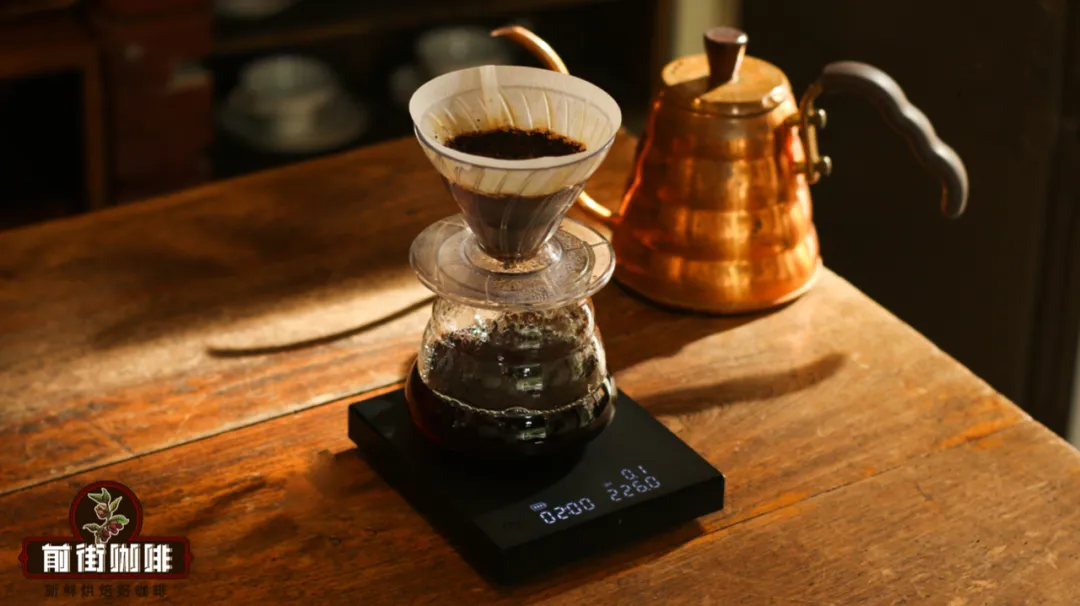
Therefore, if you find that your pour over time is always too fast, and the coffee tastes weak or lacks layers, you can try grinding a bit finer to slow down the water flow and increase extraction time; on the other hand, if the time is too long and the coffee tastes bitter or over-extracted, you might consider grinding coarser to speed up the water flow rate. Adjusting grind size is one of the most direct and effective ways to control brewing time.

2. Pouring Method and Speed
In addition to grind size, the method and speed of pouring are also key factors affecting extraction duration. Continuous slow pouring versus segmented fast pouring will noticeably alter how water lingers and permeates through the coffee bed. Using a three-stage or center-pouring method can effectively control the distribution and flow rate of water, thereby influencing total extraction time. Stable and gentle pouring helps achieve even extraction, avoiding localized over- or under-extraction.
3. Brew Ratio
The brew ratio is also an important parameter that affects time. Common ratios are typically 1:15 to 1:17. The more coffee or the less water used, the relatively slower water passes through the coffee bed, lengthening extraction time. Choosing an appropriate brew ratio not only affects strength but also indirectly determines how much time you need to complete the brew.
Different filter cones, such as the V60, Kalita Wave, or fan-shaped cones, have varying rib structures, numbers, and shapes of drainage holes, all of which impact water flow speed. The V60, with its single large drainage hole and vertical ribs, typically allows water to pass through more quickly, making it suitable for brewing styles that pursue high flow rates and bright acidity. In contrast, multi-hole flat-bottomed cones like the Kalita Wave slow down the water flow, extending extraction time and making it easier to achieve stable extraction results.
5. Freshness and Roast Level of Coffee Beans
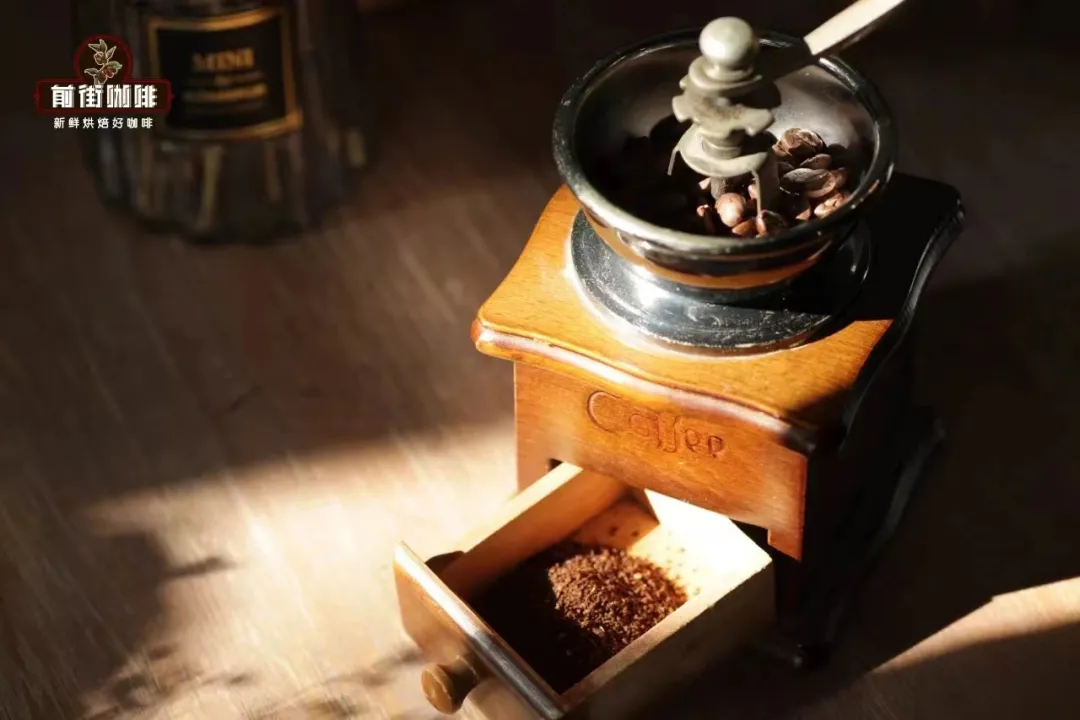
Although not as immediately obvious as the previous factors, the roast level and freshness of coffee beans also affect extraction time. Lighter roasted beans have a tighter structure and slower water absorption, potentially requiring slightly longer extraction times; whereas darker roasted beans are usually looser in texture and can be extracted more quickly. Additionally, freshly roasted coffee beans release more CO₂, which may temporarily affect the initial infiltration speed of the water.
In summary, to steadily control the extraction time of pour over coffee, you can’t just focus on the number on the timer—you need to fully understand the interplay between each parameter. From grind size and pouring method to brew ratio and filter cone selection, every step can influence the final flavor and time performance. Through observation and adjustment, you’ll be better able to precisely master the optimal brewing setup tailored to your taste.
The above content is compiled by CoffeeHunters, a coffee news website.


