








Introduction:Have you ever tried a specialty coffee described as “bursting with floral aroma and intense fruitiness,” only to taste sourness or bitterness? This article delves into the science behind coffee flavors, explaining how the tongue and nose together shape our perception of coffee. It also traces the evolution of the Coffee Taster’s Flavor Wheel from 1995 to 2016. By understanding the role of aromatic compounds and sensory training methods, it helps you improve your ability to identify flavors and appreciate the layers and nuances of coffee more deeply.
When you first try a specialty coffee that’s advertised as “overflowing with fruity notes and floral scents,” have you also only sensed strong acidity or bitterness, leaving you puzzled by those vivid flavor descriptions? This phenomenon is actually closely related to how our taste and smell mechanisms work. In fact, our tongues can only distinguish five basic tastes: sour, sweet, bitter, salty, and umami. Specific flavors like strawberry or citrus mostly come from aromatic compounds released by the coffee, which are perceived through the nose’s sense of smell and then combined with taste to form the overall impression.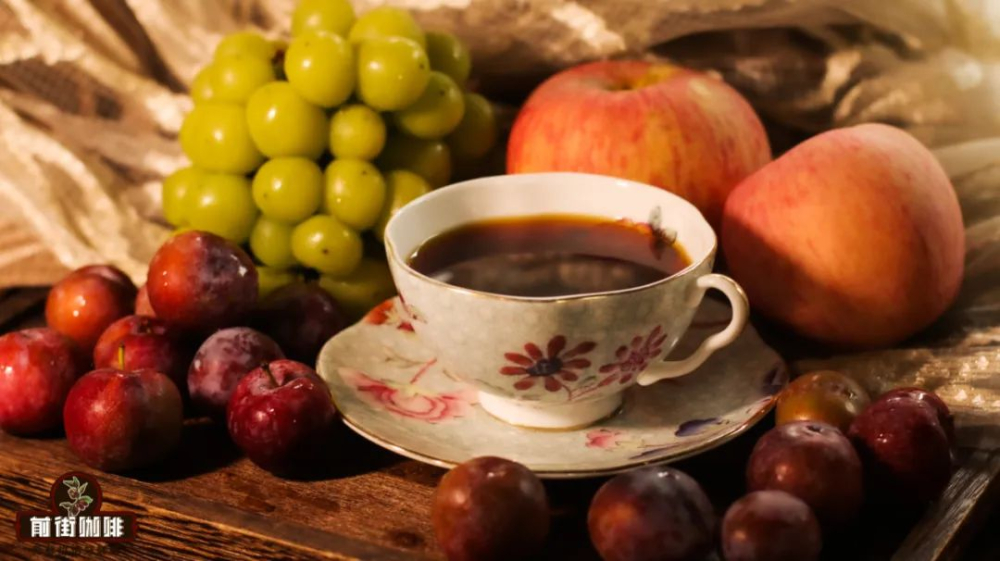
In coffee shops, it’s common to see enthusiastic coffee lovers excitedly sharing the various subtle flavors they’ve picked up from a cup of coffee. These descriptions may sound fascinating but can also confuse newcomers—especially when they take a sip of the same coffee and only taste acidity or bitterness, leading them to wonder, “Does this coffee really have all those flavors?” or even suspect that some special ingredients were added.
So, do coffee flavors really exist? To answer this question, it’s important to first understand: so-called coffee flavors refer to the specific, familiar tastes we perceive when drinking coffee—such as white floral notes, citrus tones, or strawberry flavors. But the key point is that these flavors aren’t directly perceived by the tongue. Our taste buds can only identify the five basic tastes, while specific flavors like strawberry or citrus mainly come from aromatic molecules released by the coffee in the mouth. These aromas are captured by the sense of smell through the passage between the mouth and the nose, then fused with taste to create our association with a particular flavor.
Notably, if you hold your nose while eating, aside from the five basic tastes—sour, sweet, bitter, salty, and umami—other subtle flavors become very hard to detect. This explains why many people, when first trying specialty coffee, often only perceive basic acidity and bitterness. However, this doesn’t mean those detailed flavor descriptions are fabricated. In reality, green coffee beans themselves contain over 200 aromatic substances, which transform into thousands of different aromatic compounds during the roasting process. Many of these compounds can also be found in other plants or foods—for example, the citrus aroma we’re familiar with mainly comes from a compound called d-limonene, which is also present in the aromatic makeup of certain coffees.
However, because the composition of aromas is usually complex, a single compound rarely exists alone. Just as colors can be mixed from three primary colors to create endless combinations, aromas are formed by the interaction of multiple compounds, resulting in different flavor sensations. Additionally, each person has varying sensitivity and memory for aromas, so one person might associate d-limonene with lemon, while another might think of orange. Such subjective differences meant that early flavor descriptions lacked a common language, creating communication challenges.
To address this issue, in 1995, the Specialty Coffee Association of America (SCAA) released the first edition of the Coffee Taster’s Flavor Wheel, providing the industry with a systematic tool for classifying aromas and tastes. This version of the flavor wheel divided flavors into positive and negative categories, but because it was primarily designed for professional baristas, it was relatively complex for general consumers. As coffee quality improved and the market expanded, the SCAA launched an updated version of the flavor wheel in 2016, removing most negative flavor descriptions and simplifying the classification to make it easier for beginners to understand and use.
The establishment of this flavor wheel not only provided coffee professionals with a consistent communication standard but also made the flavor descriptions of specialty coffee an important reference in quality discussions. Through learning and training, we can gradually enhance our sensitivity to aromas and thus more accurately identify the various flavor layers in coffee. Although this isn’t something that happens overnight, through continuous sensory training, trying beans from different origins and processing methods, and carefully recording each tasting experience, every coffee enthusiast can gradually develop a keen insight into flavors and enjoy the rich experience that specialty coffee offers.
The above content is compiled by CoffeeHunters, a coffee news website.


