







Introduction:Take an in-depth visit to Panama's Janson Estate and discover how this renowned Geisha farm—winner of multiple Best of Panama (BOP) awards—cultivates highly distinctive natural-processed coffees through unique micro-lots, rigorous processing methods, and a philosophy of living in harmony with nature. From its high-altitude planting areas at the foothills of the Talamanca Mountains to the nuanced fruit aromas and fermentation layers, this guide will take you through all the essentials of Janson’s Geisha cultivation, processing, and tasting.
Among the glittering landscape of Panama’s specialty coffee scene, Janson Farms has long been one of the most celebrated names. Since making its debut at the Best of Panama (BOP) competition in 2013, it has become a star of the Geisha variety in the eyes of international competitions and coffee professionals. Managed by three generations of the same family, the farm has leveraged its mastery of high-altitude microclimates and meticulous post-harvest techniques to produce natural-processed Geishas known for their intense fruity notes, layered fermentation profiles, and unique flavor signatures—consistently taking center stage on the global coffee stage.
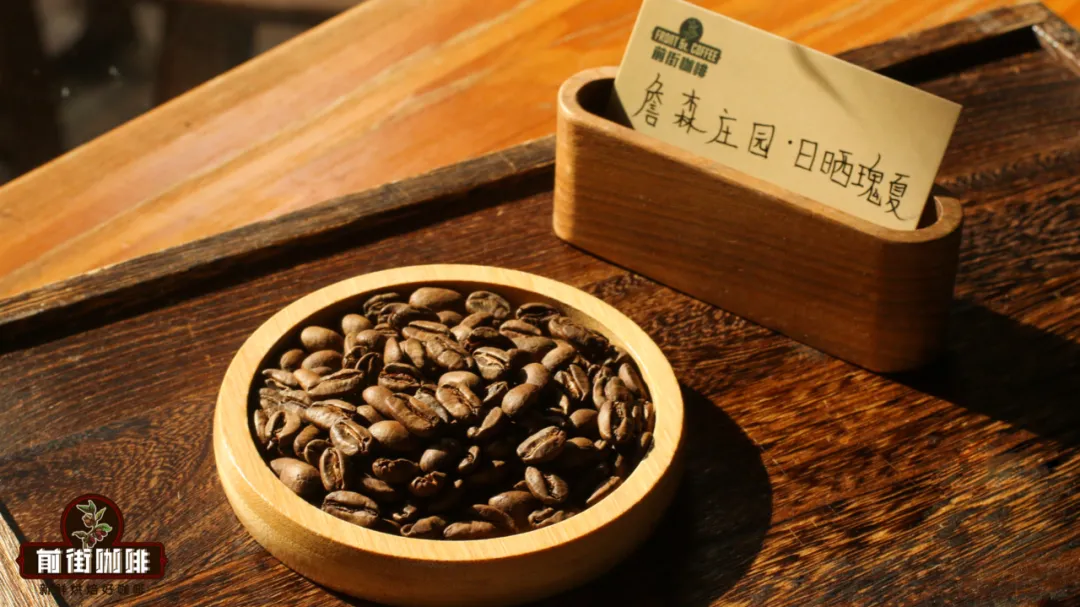
The most memorable flavor profiles of Janson’s Geisha include grape juice-like sweetness, a balanced acidity and sweetness of ripe berries, gentle fermented wine notes, and aromatic layers of prune, dried fruit, and pineapple. These characteristics make it a top choice among pour over enthusiasts and competition-level baristas alike.
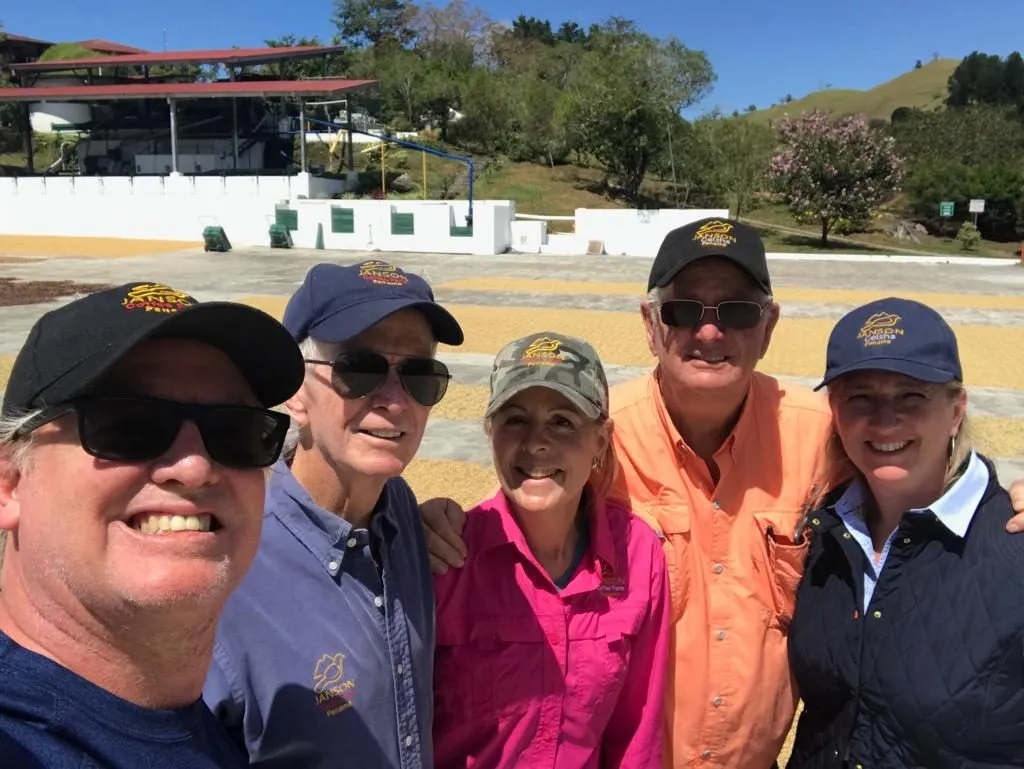
The story of Janson Estate began in the 1920s. In 1926, 21-year-old Carl Axel Janson emigrated from Sweden to Panama and was deeply captivated by the breathtaking natural landscapes and pleasant climate of the Volcán District in Chiriquí Province. Together with his wife Margaret, he chose to settle there and operate a dairy farm. It wasn’t until the mid-1980s, with guidance from agricultural experts, that they discovered the local volcanic soil, high altitude, and stable climate were exceptionally well-suited for coffee cultivation. Consequently, in 1989, the Janson family decided to pivot and co-founded Janson Coffee with their four sons—Michael, Carl, Ricardo, and Peter—officially entering the specialty coffee industry. In 1993, they went a step further by constructing a processing facility that met specialty-grade standards, taking full control of the production process from planting to processing.
In 2003, as the Geisha variety T2722 from Hacienda La Esmeralda skyrocketed in popularity on the international market, the Janson family followed suit by introducing the Green-Tipped Geisha cultivar, embarking on its path to glory in international competitions. To this day, in addition to the classic Geisha variety, the estate also grows a diverse selection including Catuai, Caturra, and Pacamara, reflecting its pursuit of coffee flavor diversity.

Janson Estate is located in the westernmost part of Panama, near the Talamanca Mountain range, and features two main high-altitude planting zones: “Hacienda Las Lagunas” (Lagoon Estate) and “Los Alpes” (The Alps). The Lagoon Estate lies adjacent to the western side of Volcán Barú and gets its name from nearby lakes. It sits at an elevation between 1350 and 1400 meters, featuring fertile volcanic soil and multiple natural springs for irrigation. The Los Alpes Estate, on the other hand, is situated on the edge of the Volcán Tiríríca and borders the La Amistad International Park—a UNESCO World Heritage Site. Not only does it benefit from the high-altitude advantages of the Talamanca Mountains, but it also enjoys a pristine forest environment, humid climate, and rich biodiversity, making it an ideal microclimate for growing Geisha.
Uniquely, Janson Estate is not just a hub for coffee farming and animal husbandry, but also a distinctive agritourism destination. Visitors can stroll through the coffee fields to learn each step of the process—from planting to processing—and enjoy leisure activities such as paddling on the lake or horseback riding in the mountains. The estate even features the Janson Café, where guests can sample freshly roasted Janson Geisha for around four dollars, experiencing an authentic taste straight from the source.
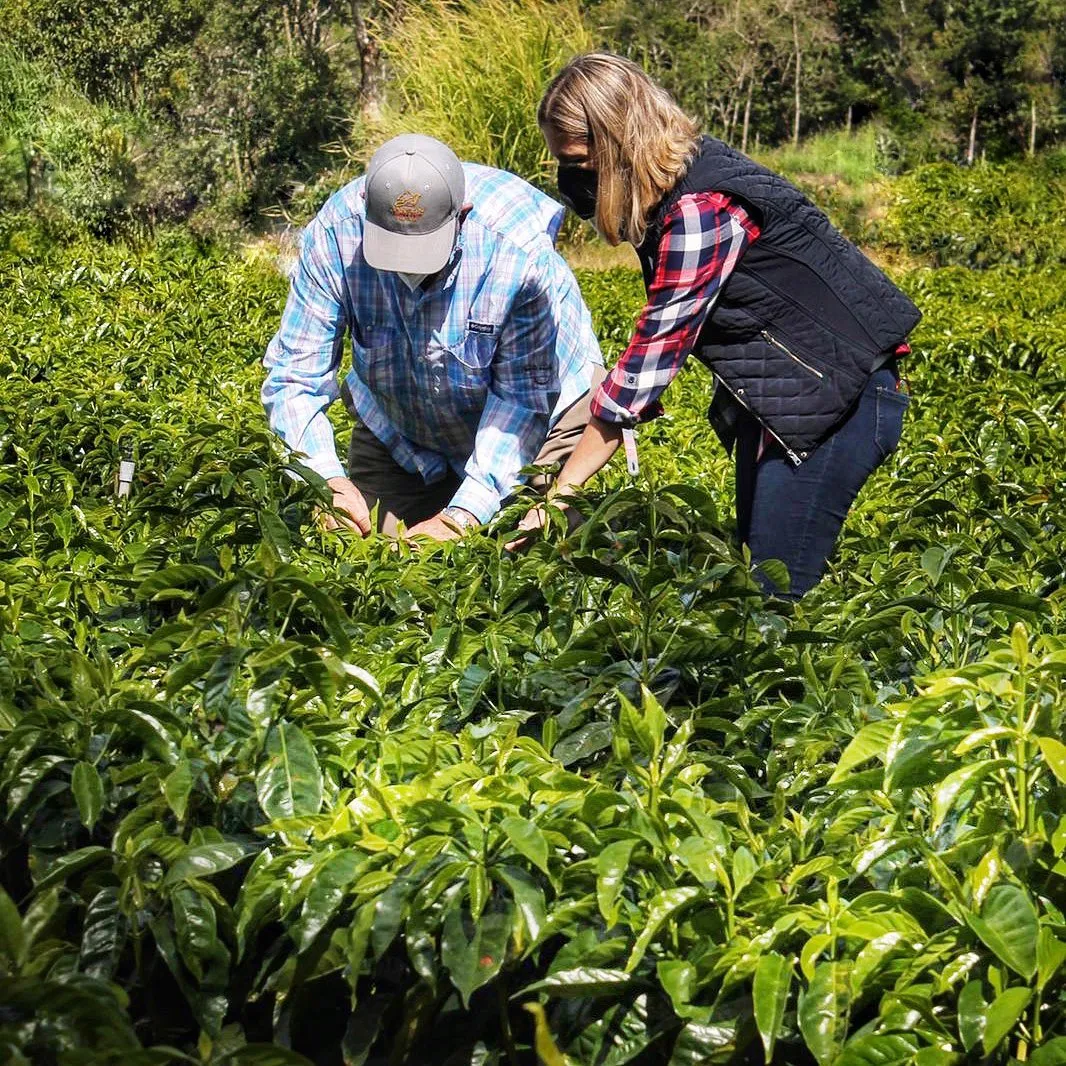
The Janson family has long upheld the core philosophy of “quality production and harmonious development,” placing particular emphasis on natural resource conservation and ecological protection. To preserve the habitats of native forests and wildlife, they have clearly delineated planting zones from virgin forest areas, completely avoiding the use of pesticides, insecticides, and herbicides. Instead, they maintain soil health using microbial enzyme technology. Additionally, they utilize solar energy and closed-loop water systems, effectively repurposing processing residues. Fruit peels and pulp, for example, are organically composted and returned to the fields—epitomizing the practice of sustainable agriculture.
Approximately half of the estate’s crops are Geisha varieties, and each batch of coffee beans is assigned a unique numerical code—for example, lot#364 refers to a specific batch from the Los Alpes Estate processed using the natural method—ensuring traceability and meticulous management. This year’s lot#364, acquired directly, comes from this very block and was processed using traditional natural methods, fully showcasing the potential of tropical fruit and fermentation flavors.
In the post-harvest processing workflow, Janson Estate has opted to abandon conventional sacks in favor of crates for transportation, reducing the risk of fruit compression and juice loss. The harvested coffee cherries are first rigorously sorted before being evenly spread on raised drying beds, where they undergo a lengthy natural sun-drying process lasting 27 to 30 days until the moisture content stabilizes at around 12%. Only then are they hulled and stored. To ensure optimal fermentation and drying conditions, Janson has also installed temperature- and humidity-controlled green bean storage facilities and continuously monitors the pH value of the coffee cherries to maintain consistent flavor profiles across batches.
For a variety like Geisha, which is famed for its delicate floral and fruity aromas, roasters choose a medium-light roast level to preserve its inherent flavor characteristics. After four days of resting and degassing, cupping reveals the unique charm of this natural-processed Geisha: the aroma leads with rich fruitiness and fermented wine notes, the mid-palate unfolds sweet layers of pineapple, prune, and dried fruit, and the finish lingers with elegant floral tones and soft berry aftertaste. With a distinct and layered flavor profile, it is a classic choice for pour over lovers exploring Panamanian Geisha.
The above content is compiled by CoffeeHunters, a coffee news website.


