







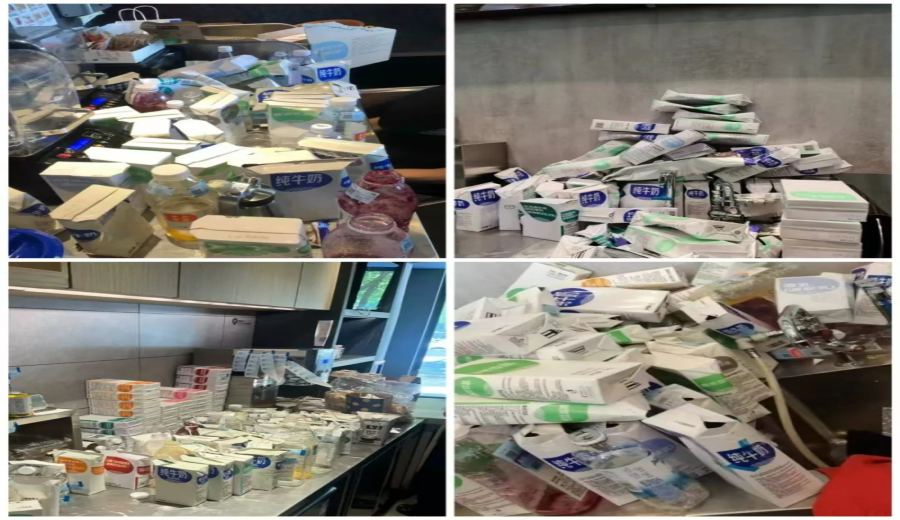
Introduction:Luckin Coffee has introduced the "RiBinfen – Smart Tea Beverage Machine" in some stores across Jiangsu and Zhejiang, where its automated dispensing system shortens preparation time but also creates an additional daily cleaning burden of about one hour. This article explores how the new equipment changes store operations based on first-hand experiences from frontline staff, and examines key factors influencing its suitability for smaller outlets.
With the successive launch of new products such as light milk tea and iced shaken series, Luckin Coffee’s product lineup continues to expand, and the ingredient preparation process behind the counter has become increasingly complex. From frequently retrieving syrups, thick milk, and juices from refrigerators, staff members move repeatedly within the cramped bar space, often facing issues such as disorganized materials and reduced operational efficiency during peak hours.
To address these challenges, Luckin piloted the "RiBinfen – Smart Tea Beverage Machine" in selected stores in the Jiangsu and Zhejiang region. This equipment can store common ingredients such as tea base, fresh milk, and pre-mixed concentrated liquids. Staff can use barcode scanning to activate robotic arms that dispense the precise quantities required by each recipe, eliminating the traditional manual weighing steps. According to on-site photos,the entire machine occupies an area of approximately 0.8 square metersand requires installation adjustments according to the structure of the bar counter.
Feedback from the first batch of staff using the new device is mixed: most praise its advantages in reducing physical strain — for instance, no longer needing to bend down to draw various liquid ingredients, with single drink preparation time shortened by an average of about 40 seconds. However, actual operations revealed thatthe end-of-day system maintenance procedure is notably time-consuming— including the disassembly and disposal/replacement of consumables that come into direct contact with food (such as silicone delivery tubes and sealed liquid storage boxes), as well as the full-machine rinsing and disinfection process, with the whole task taking roughly 50 to 70 minutes.
Some former employees of hand-shaken drink shops pointed out that while automation improves front-of-house service speed, subsequent cleaning is a hidden cost often overlooked. If cleaned intermittently during business hours, it may disrupt normal order-taking processes; if postponed until after closing, it raises issues of labor input outside of paid work hours. Online discussion forums have seen many grassroots voices: “Night shift colleagues have to work overtime to clean the machines,” “Small stores simply can’t fit such large equipment.”
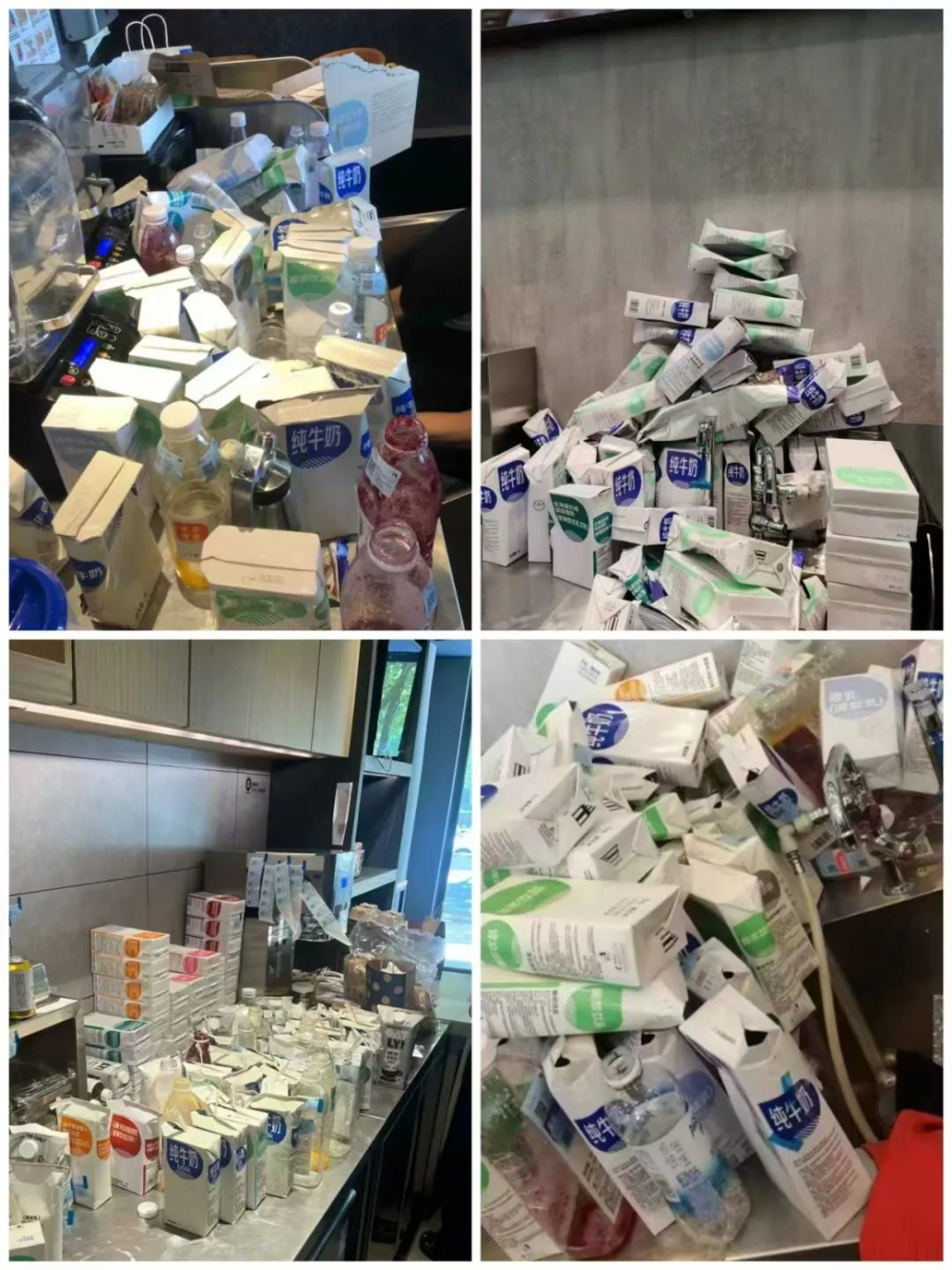
Notably, this system has selective compatibility with store operating scales.Outlets with daily sales below 300 cups or insufficient counter spacetypically maintain their current manual preparation model. Industry insiders analyze that the introduction of smart tea beverage machines is essentially a transitional solution balancing quality consistency and staffing, particularly suitable for flagship stores in high-traffic commercial areas.
Based on comprehensive observations of actual operations, this innovative technology improves certain pain points in the workflow but also highlights the supporting challenges of automation transformation. For consumers, it may mean shorter wait times for standardized beverages in the future; but for frontline workers, how to strike a balance between efficiency and working conditions remains an ongoing issue that brands need to continually optimize.
The above content is compiled by CoffeeHunters, a coffee news website.


