







Introduction:Recent escalations in conflicts in southern and northwestern Ethiopia not only impact local livelihoods but also directly threaten the stability of coffee-growing regions. From Oromia to Amhara, violent incidents and road blockades have driven up coffee farming costs and disrupted exports. This article delves into the potential effects of the current situation on the global coffee supply chain and explores how coffee farmers and traders are responding to the crisis.
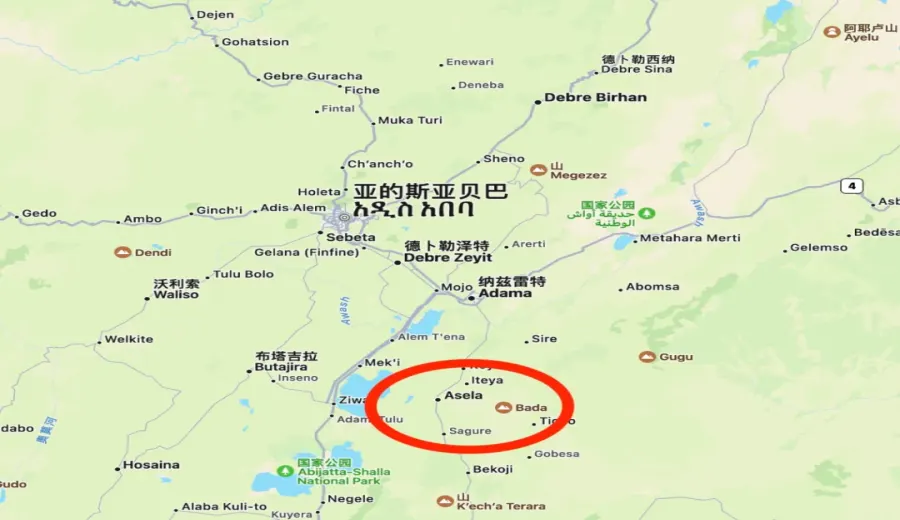
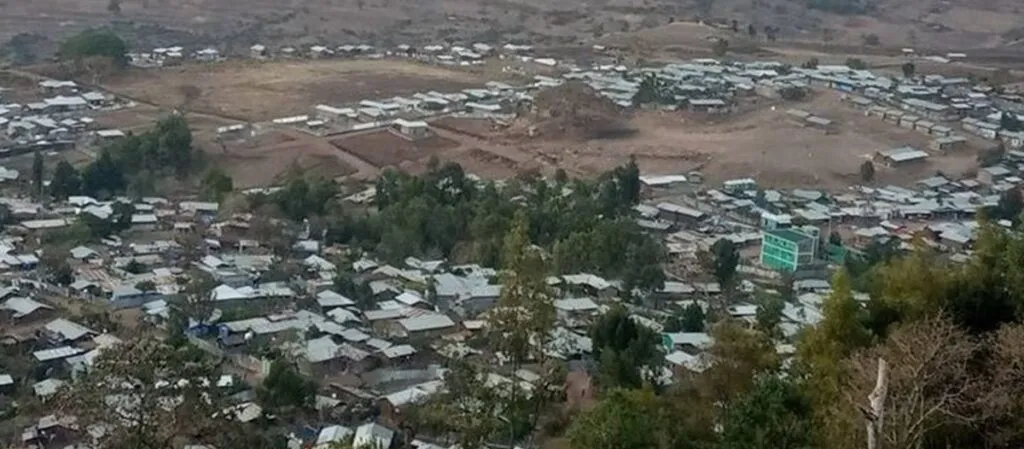
A severe attack recently occurred in the Arsi zone of Ethiopia’s southern Oromia region, injuring six civilians, including a local priest. This incident is the latest sign of deteriorating security in the area, with residents deeply concerned about the ongoing violence. It is understood that the region is currently divided, with about half controlled by an armed group known as "Shane" (also referred to as the Oromo Liberation Army) and the other half by government forces, with the risk of renewed conflict at any time.
Meanwhile, the situation in northwestern Amhara region remains tense. Reports from August 16 indicate that the Fano militia is attempting to capture the regional capital, Bahir Dar. Local residents say grenade explosions are frequently heard in the city, prompting many businesses to suspend operations for safety reasons.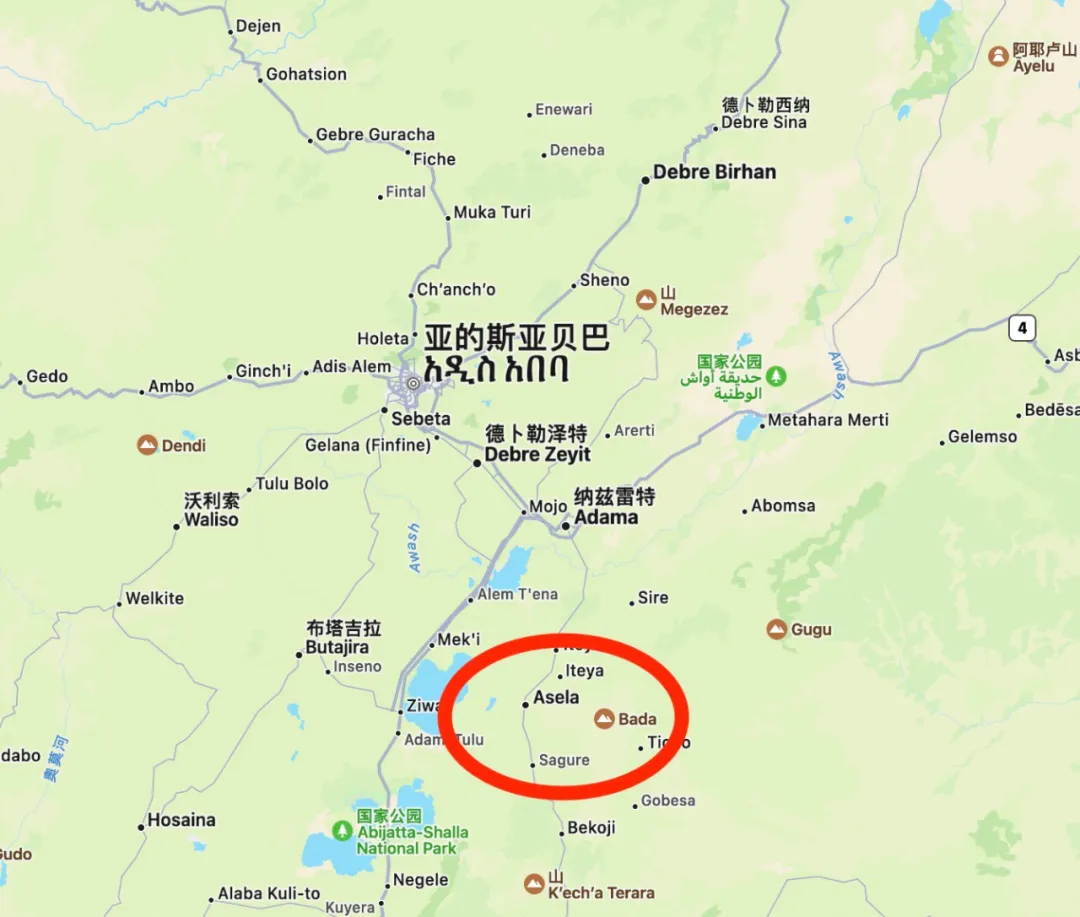 Although local officials emphasize that the military is prepared for battle, the ongoing struggle for actual control keeps the entire region in a state of instability.
Economically, Ethiopia is grappling with a significant depreciation of its currency, the birr, which has directly driven up the costs of coffee cultivation and production. As a major agricultural and pastoral region, road blockades in Amhara have severely disrupted inter-regional goods transportation, further exacerbating inflationary pressures. Notably, currency fluctuations and civil war risks have caused import prices to soar, directly impacting the coffee farming industry which relies heavily on fertilizers and equipment.
Coffee industry experts warn that the continuous rise in production costs will inevitably be reflected in the price of green coffee beans.If the price increases too sharply, it may reduce the willingness of international buyers to purchase, thereby weakening the competitiveness of Ethiopian coffee in the global market.Historically, the country’s coffee-growing areas have been concentrated south of the capital, Addis Ababa, and were less directly affected by conflicts in the north. However, the recent unrest in the south has led the industry to begin assessing potential risks.
 Logistically, the Red Sea shipping crisis continues to affect the efficiency of coffee exports. In addition, although the Turkey-brokered Ethiopian-Somali peace talks in mid-August made some progress, key issues regarding port access remain unresolved. This means coffee exporters are unlikely to find stable alternative transport routes in the short term, further delaying the delivery of international orders.
Industry insiders point out that if the conflict spreads to major coffee-producing regions, it could not only destroy farmland and infrastructure but also trigger large-scale population displacement—similar to the exodus of hundreds of thousands during ethnic clashes in 2019. For coffee traders, the most urgent task at present is to establish diversified supply sources and closely monitor changes in the exchange rate policies of the Ethiopian central bank.
The above content is compiled by CoffeeHunters, a coffee news website.


