







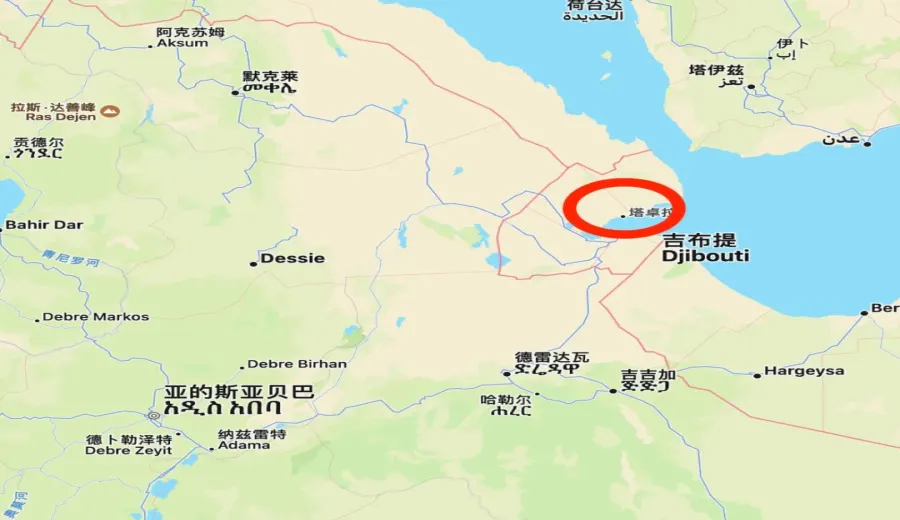
Introduction:Faced with export hurdles and domestic-international pressures, Ethiopia has gained full management rights over Djibouti’s Tadjoura Port. Could this bring a turning point for its coffee industry? This article delves into Tadjoura Port’s geographical advantages, current geopolitical risks, and potential impacts on Ethiopian coffee exports, helping readers grasp the latest regional developments and supply chain changes.
As one of the world’s major coffee-producing countries, Ethiopia has long relied heavily on Djibouti’s Port of Djibouti due to its inland location for both imports and exports. Recently, however, Djibouti announced it would grant Ethiopia full management rights over Tadjoura Port, seen as a potential new opportunity to ease bottlenecks in Ethiopian coffee and other agricultural exports. Yet, against a backdrop of growing geopolitical tensions in the Horn of Africa and complex domestic conditions in Ethiopia, whether this port can truly deliver remains to be seen.
In an interview, the Djiboutian Foreign Minister confirmed that the country is handing over “full management” of Tadjoura Port to Ethiopia, but details regarding the specific cooperation model, management terms, or responsibilities Ethiopia must assume have yet to be further clarified. There are still many uncertainties as to whether this move can effectively enhance the efficiency of Ethiopian cargo exports.
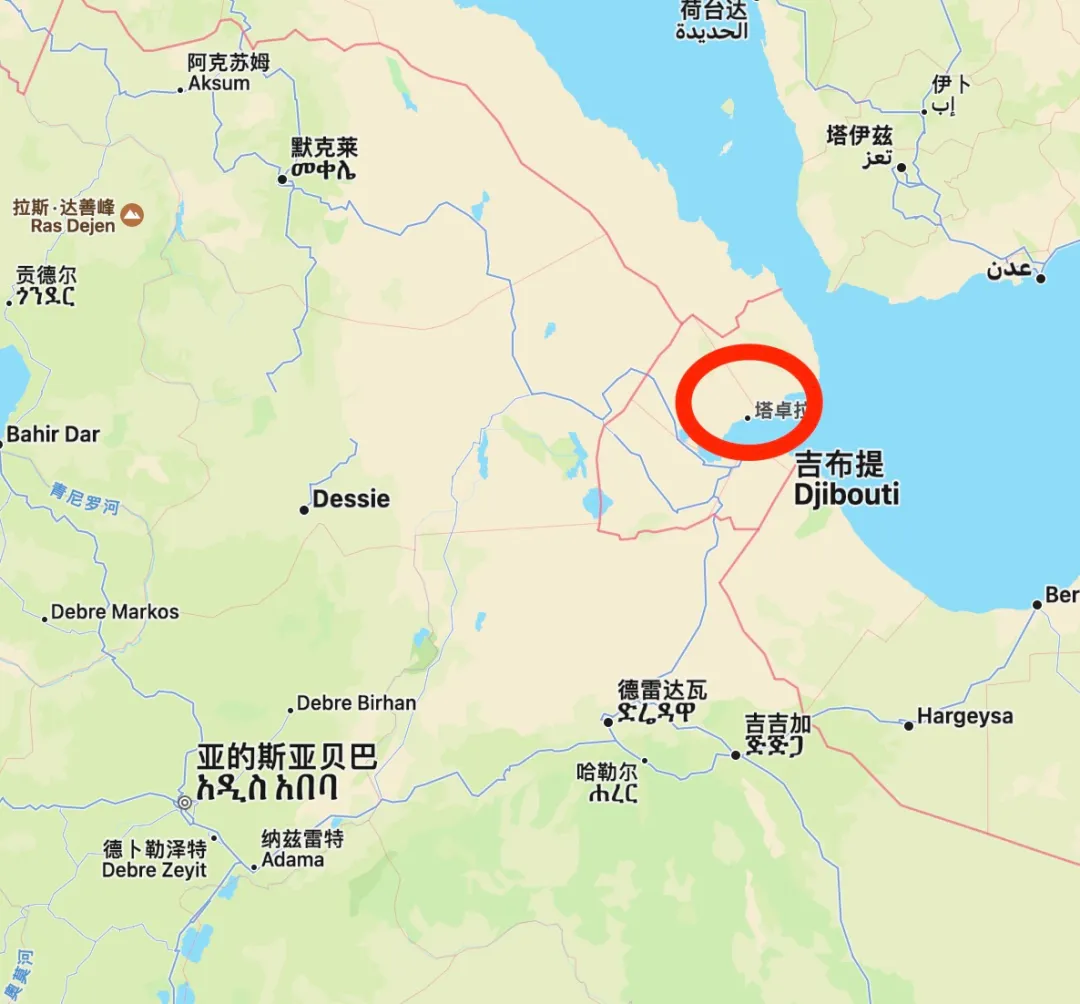
Looking back at historical context, since Eritrea’s independence from Ethiopia in 1993, Ethiopia has lost all access to the coast and become a landlocked nation. Since then, its foreign trade has almost entirely depended on the Port of Djibouti. According to statistics, Djibouti alone earns over one billion US dollars annually from port service fees related to Ethiopian imports and exports, highlighting its critical importance to Ethiopia’s economy.
However, the Port of Djibouti has recently been affected by the Red Sea crisis, leading to unstable shipping routes, which have caused delays and rising costs for Ethiopian exports including coffee. According to data from the Ethiopian Coffee and Tea Authority, due to ongoing instability and security concerns, local coffee exports have dropped by 27%, while prices have shown a slow upward trend, delivering a significant blow to the industry.
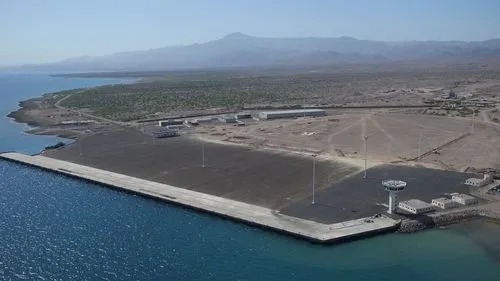
Against this backdrop, the opening of Tadjoura Port is seen with high hopes. Located in the Gulf of Aden, the port could theoretically provide an alternative route, helping to diversify the risks associated with the Port of Djibouti. However, the port is also situated within the Red Sea region and currently remains within the potential strike range of the Houthi forces. Recent reports have also emerged of vessels being attacked by the Houthis, leaving its safety still in question.
On the geopolitical front, Ethiopia’s relations with its neighbors remain strained. Recently, ties between Ethiopia and Somalia deteriorated due to a memorandum of understanding. In the memorandum, Ethiopia recognized Somaliland as an independent state in exchange for access to 20 kilometers of its coastal land and port usage rights for a lease term of 50 years. This move drew strong backlash from Somalia, which views it as a violation of its sovereignty, and with the support of Egypt and Eritrea, refused to engage in dialogue with Ethiopia.
Egypt has gone further by signing a defense agreement with Somalia, planning to deploy ten thousand troops and dispatching military aircraft and equipment to Somalia on August 27. Facing escalating regional tensions, the Ethiopian government stated it is closely monitoring threats and is committed to resolving differences peacefully. However, reports indicate that Ethiopia has begun mobilizing troops toward its border with Somalia, showing that the situation remains highly volatile.
Domestically, Ethiopia also faces multiple challenges. Armed conflicts have spread from the north to the south, and economic reforms have led to a sharp depreciation of the birr, rising living costs, and surging public dissatisfaction, creating an uncertain environment for overall industrial development. Amid such internal and external pressures, coffee—as a key source of foreign exchange earnings for Ethiopia—naturally draws close attention regarding its export performance.
Overall, Djibouti’s provision of management rights over Tadjoura Port does offer a glimmer of hope for Ethiopian coffee exports, helping to diversify risks away from the Port of Djibouti and potentially increasing overall cargo throughput. However, Tadjoura Port’s geographical location still leaves it exposed to potential geopolitical conflict threats. Whether it can truly become a breakthrough for Ethiopia’s coffee industry will depend on future regional security conditions and the actual operational performance of the port.
For consumers and traders following developments in Ethiopia’s coffee-growing regions, keeping a close eye on the port’s actual operations, policy support, and security dynamics will help better understand future trends in coffee supply and quality.
The above content is compiled by CoffeeHunters, a coffee news website.


